Last month my wife, Kelly, and I embarked on the “Two Weeks in Spain” so famed in song. It was a wonderful trip and impossible to convey all we were able to do and see, but over the next few posts I wanted to share a little bit of what made the journey so special. Each post has musical accompaniment, so press “play” at the bottom and enjoy.
Granada
At one point I said that Cordoba reminded me of New Orleans – old city surrounded by modern big city – with the topography of Morgantown – lots of hills. If that’s accurate then Granada could be described similarly, but with the topography of Logan – an old town built in a valley with steep hills on either side.
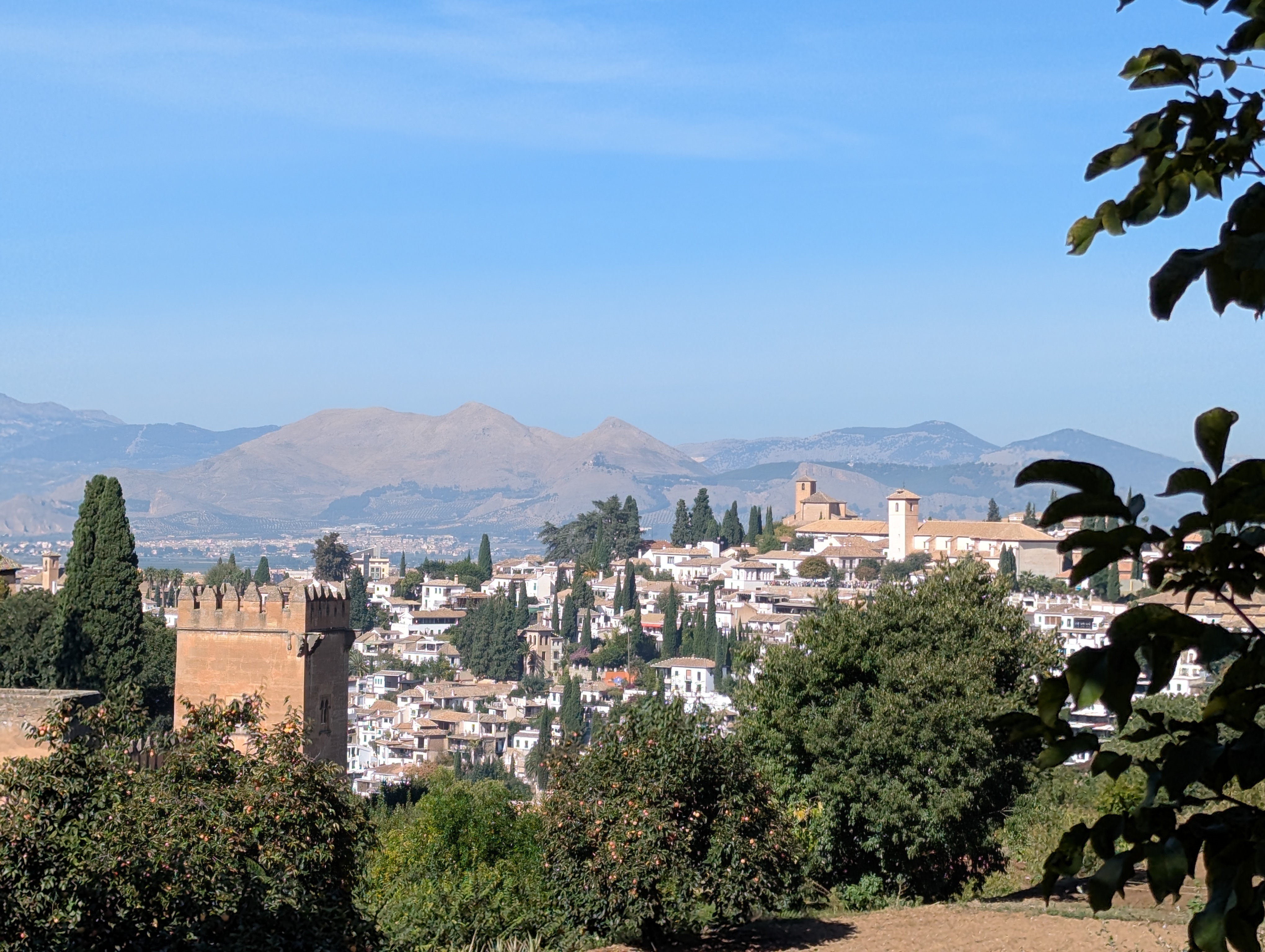
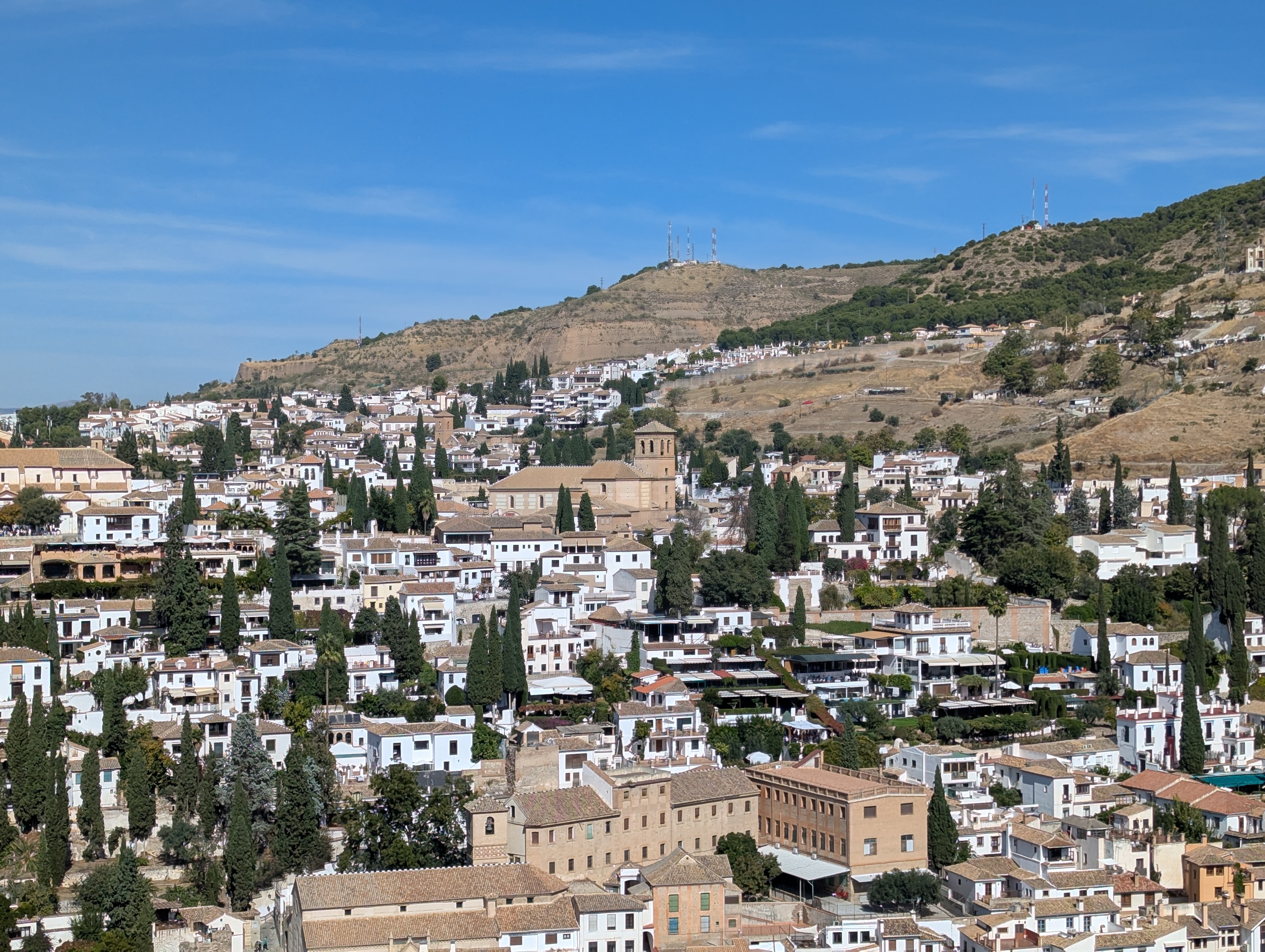
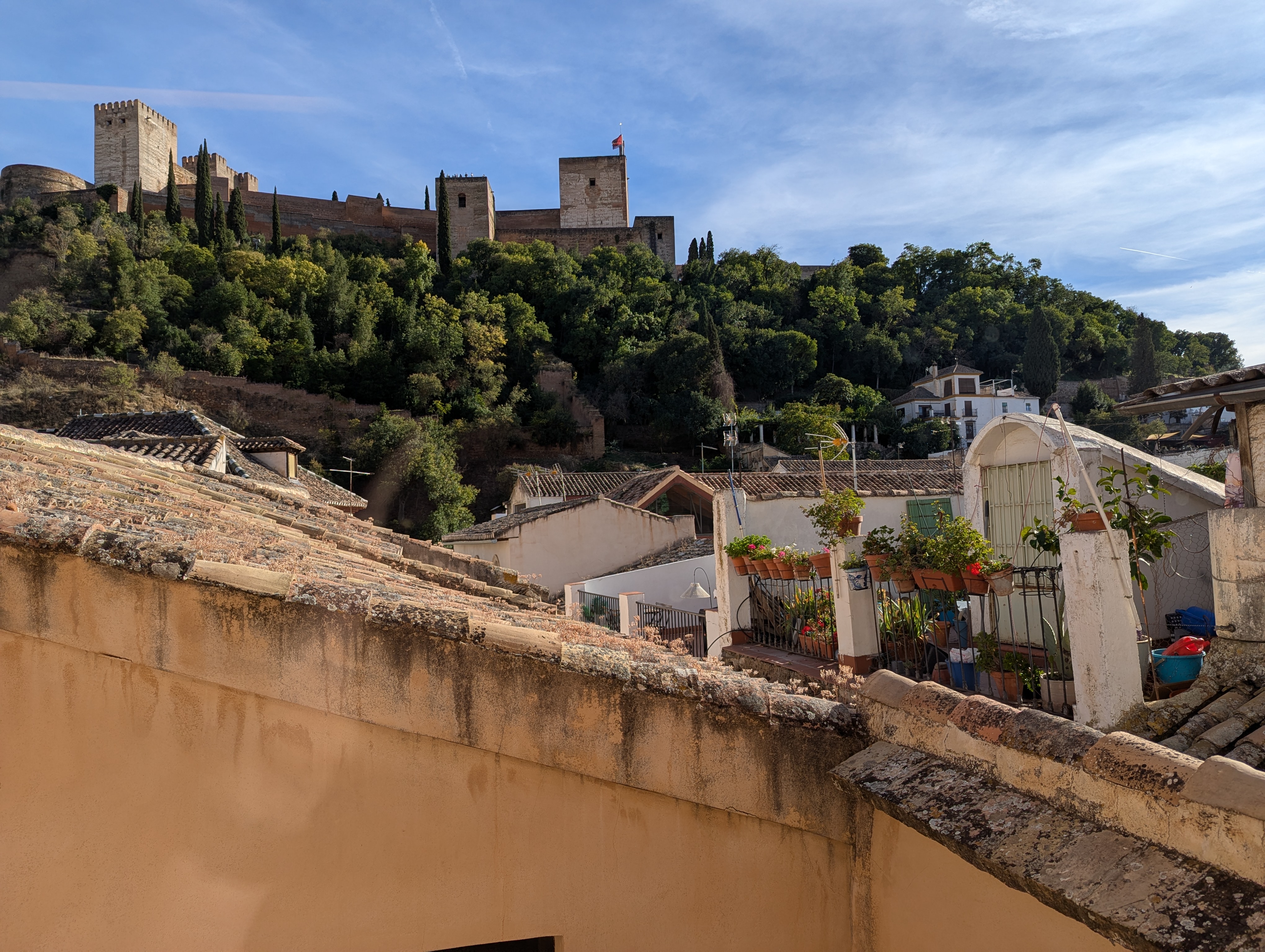
On one hill is the Alhambra, perhaps the go-to example of “Moorish buildings in Spain” in the minds of most people. More of that later, but after we arrived in town (via another drive through the countryside) and had some lunch, we decided to trek up the other hill, into a neighborhood called the Albaicín, which is where the original city was founded.
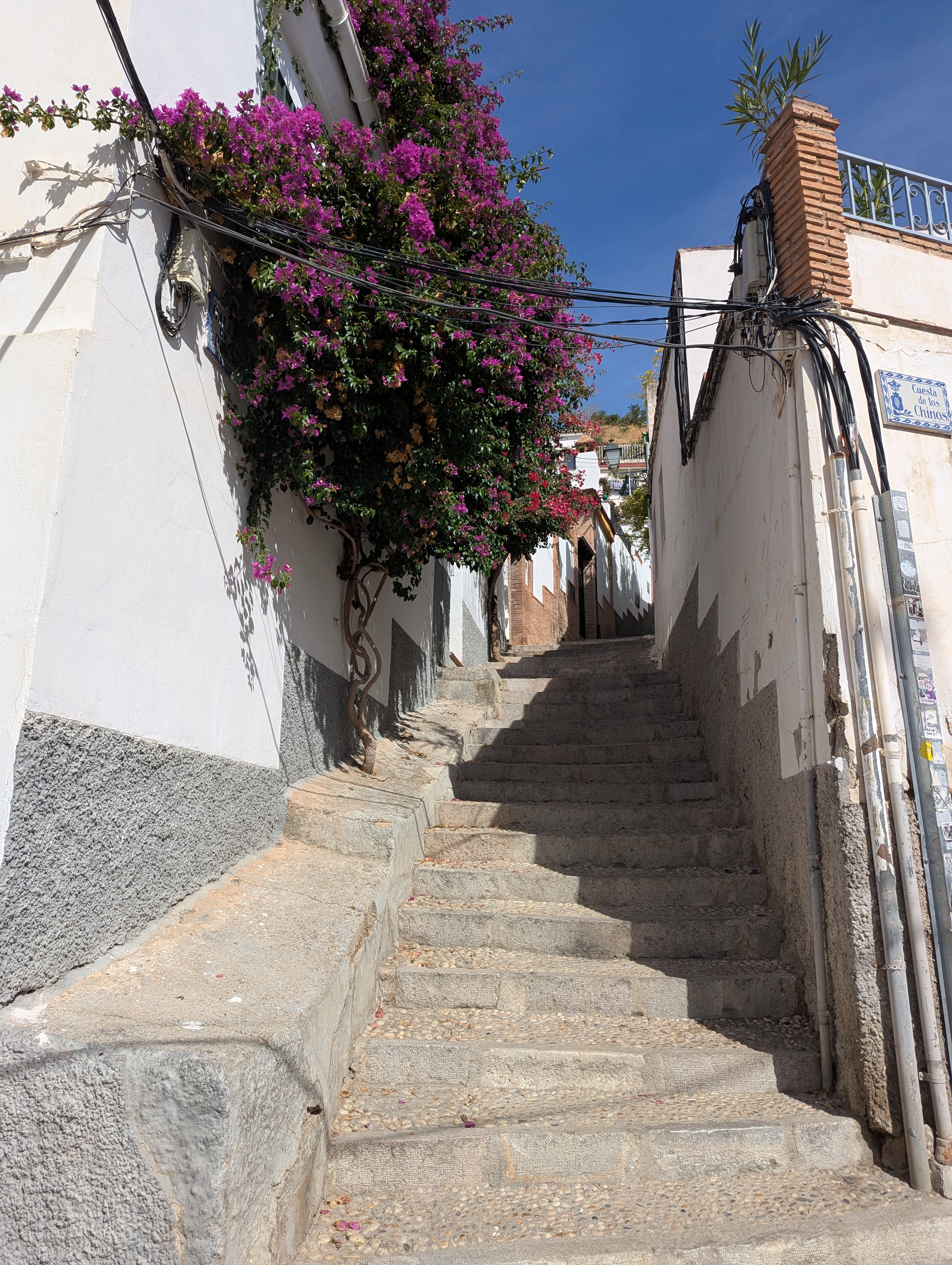
It was a haul, but the view was great.
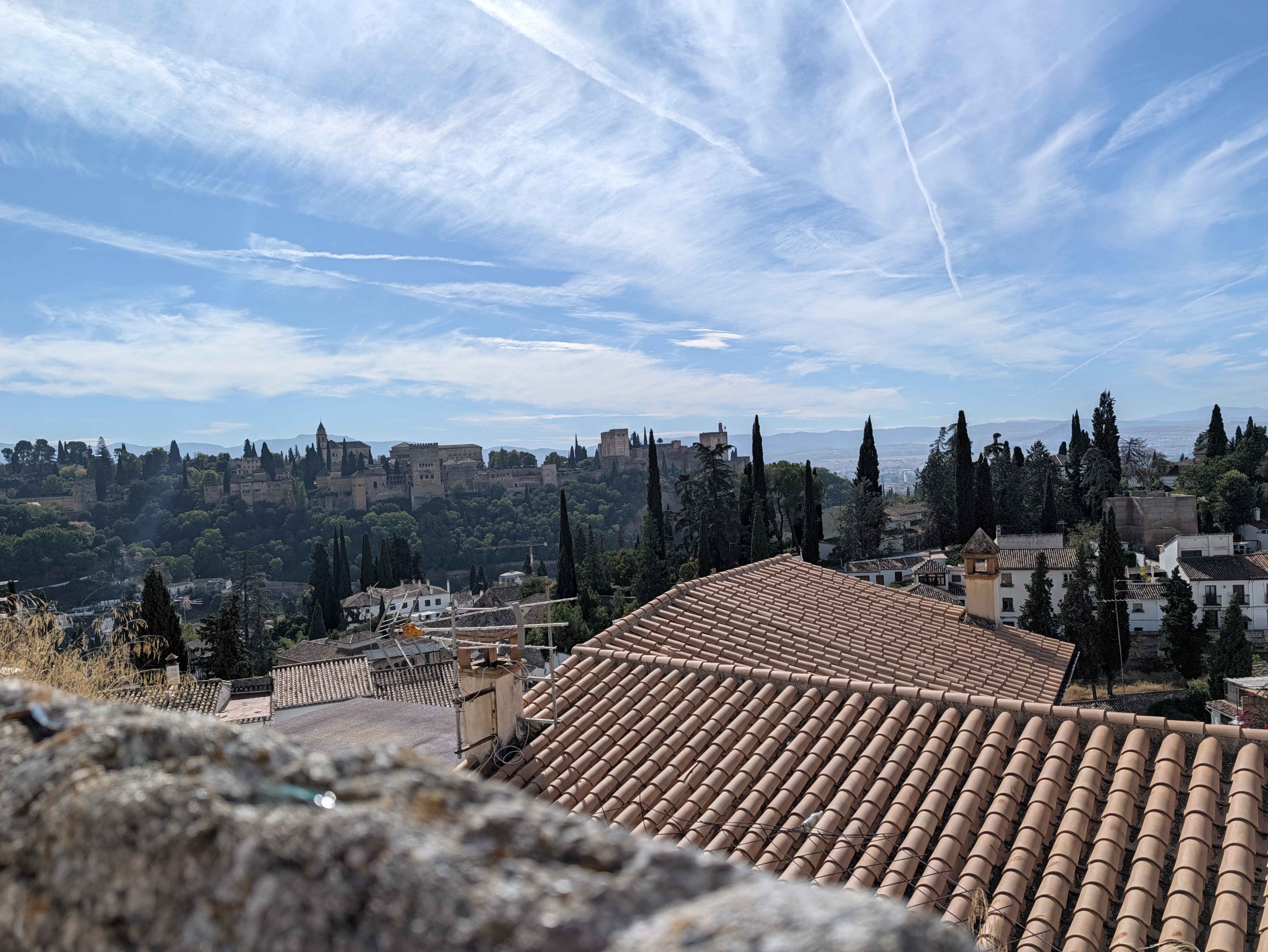
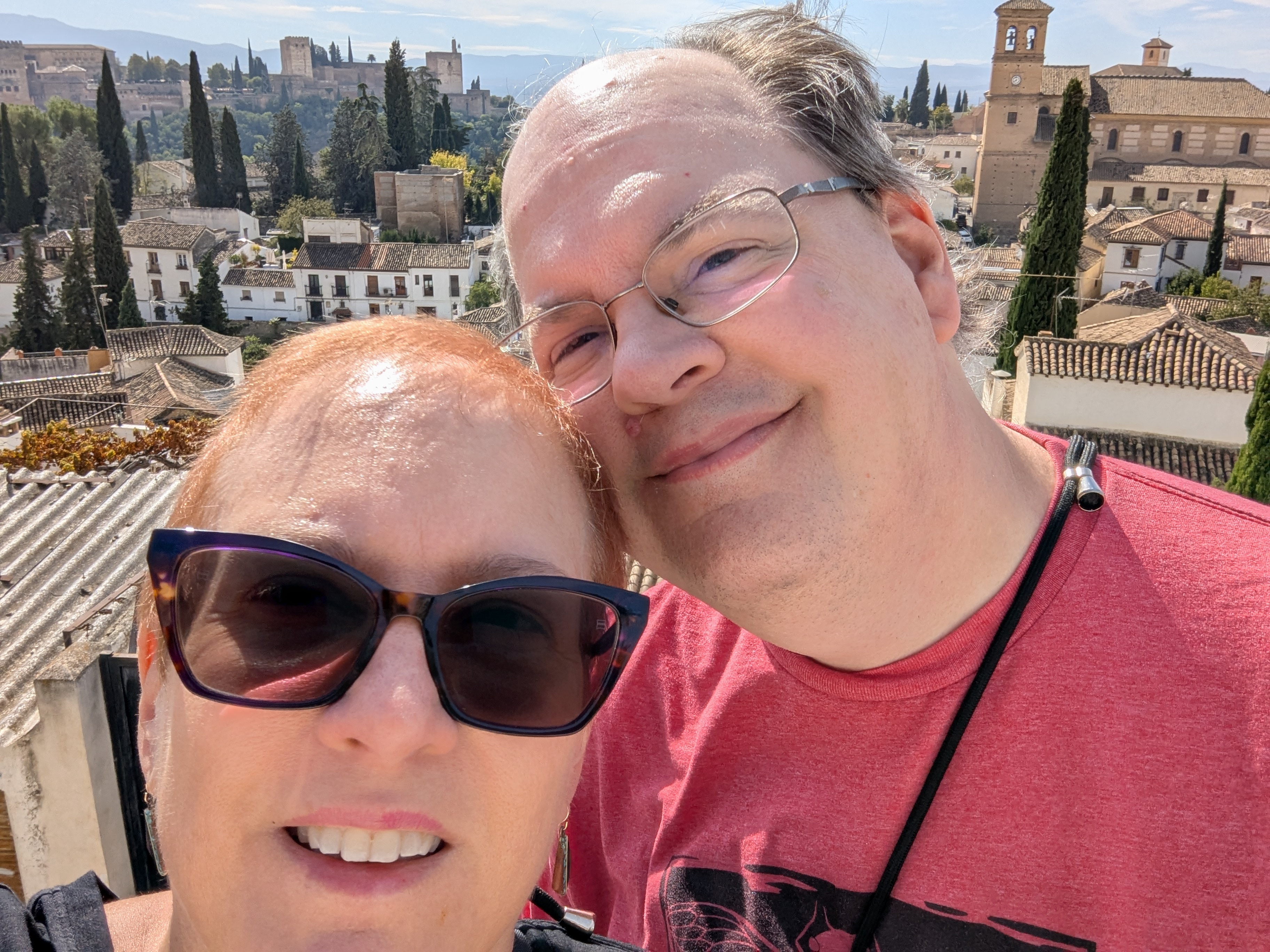
The Albaicín was where, during the early days of the Spanish Civil War, the Republicans made their resistance, using the narrow streets and hills as natural fortifications. Alas, the Fascists just moved artily into the Alhambra and shelled them into surrender.
Our main goal for that evening, though, was something I’d been trying to set up since before COVID hit – seeing a soccer game in Europe. We tried to go see Leeds play during our UK trip a few years back, but couldn’t get tickets (and a one-day rail strike changed our plans, anyway). When we knew where we were going in Spain I dove into finding a place to watch a game. In the end, the only place where that could work out was in Granada.
Granada CF, which dates back to 1931, currently plays in the Spanish second division, but were in La Liga as recently as 2023-2024. Their colors are red, white, and blue, which seemed appropriate, even if the resulting kit feels very FC Dallas at times.
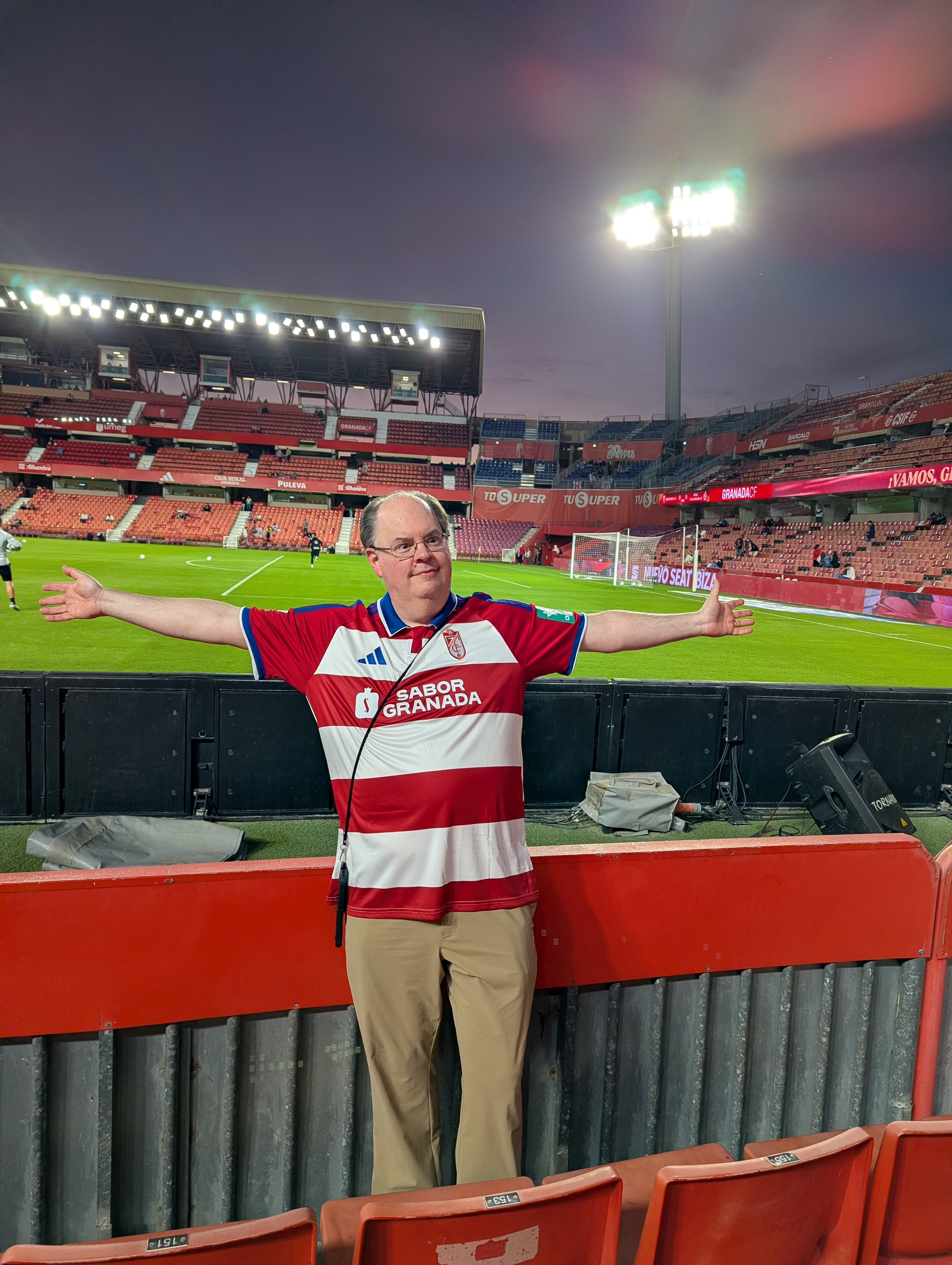
“Granada,” as well as being the name of the city, is also Spanish for “pomegranate” (although the word origins are different), which explains the club’s sentient pomegranate mascot, Granain:

The stadium was about the size of a modern MLS stadium and was probably two-thirds full. The local supporters group, behind one goal, were pretty vocal and the rest of the crowd got into it fairly often. We really hated the right back from Real Valladolid for some reason, but we joined in booing him every time he touched the ball.
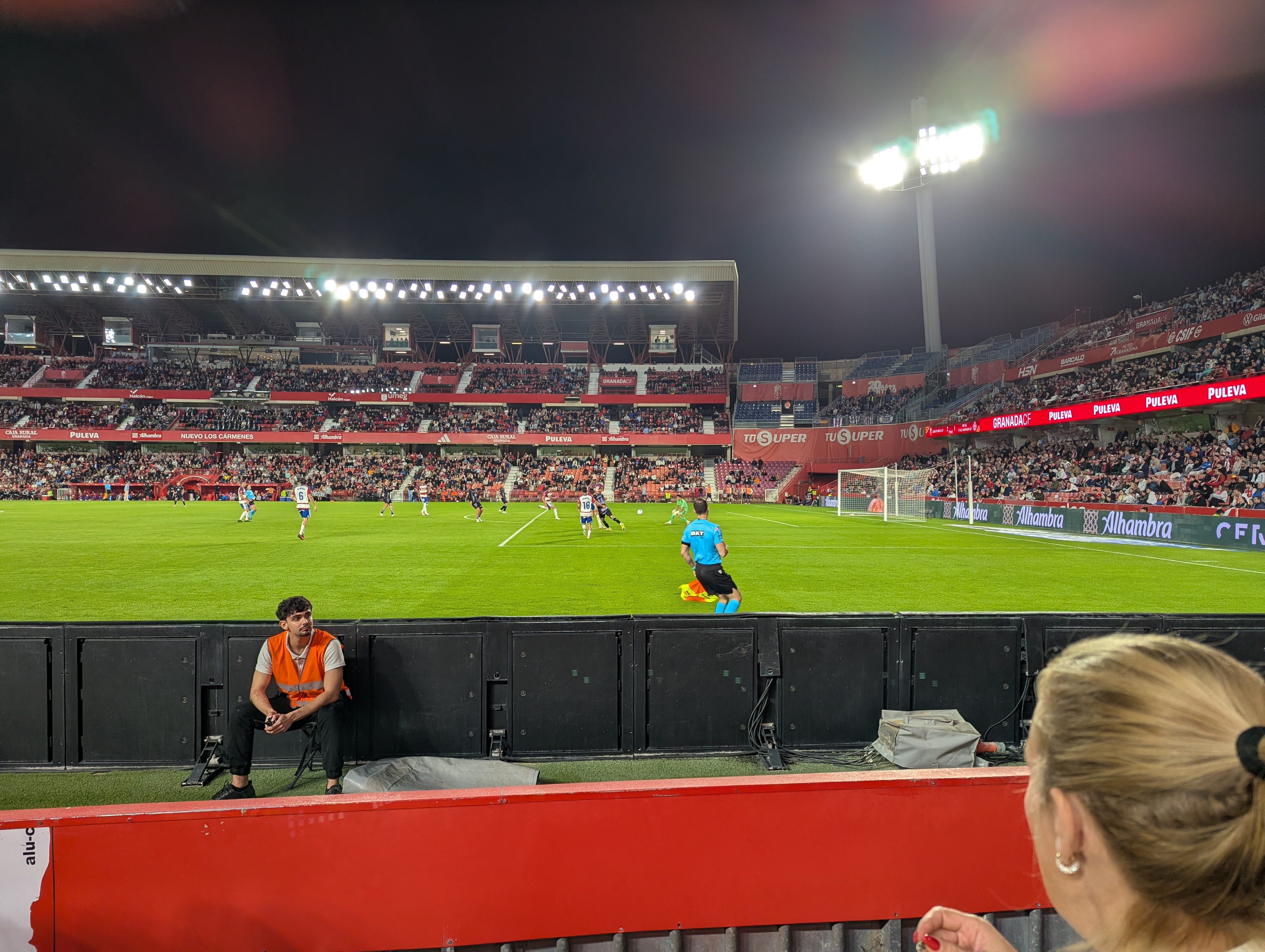
The ball came into our area of the stands twice. Once a guy sitting behind Kelly fumbled it into the seat next to her, spilling our popcorn. A fan down the row tossed us his to make up for it (I noted later that he had a backpack full of snacks – apparently they don’t care so much about bringing your own stuff into a game). The second time a guy sitting in front of me calmly stood up and headed the ball back onto the pitch. Best header of the night!
Ultimately, the good guys won 2-1 – so I now have a team in Spain to root for!
For while, though, I thought we’d never make it back to the hotel. A map on the city website said there was a taxi stand right at the corner of the block where the stadium was. Alas, there was none. Two helpful fans leaving the game explained that they block off the streets before the game lets out so the cabs stay away. They pointed us to a spot a couple of blocks down to try. That didn’t really work and we couldn’t get the local cab app to work, either. We relocated again, about another block away, and finally got lucky. For a while there I thought we were walking home (45 minutes, per Google) in the dark in a foreign city. Whew!
The next morning, it was on to the Alhambra.
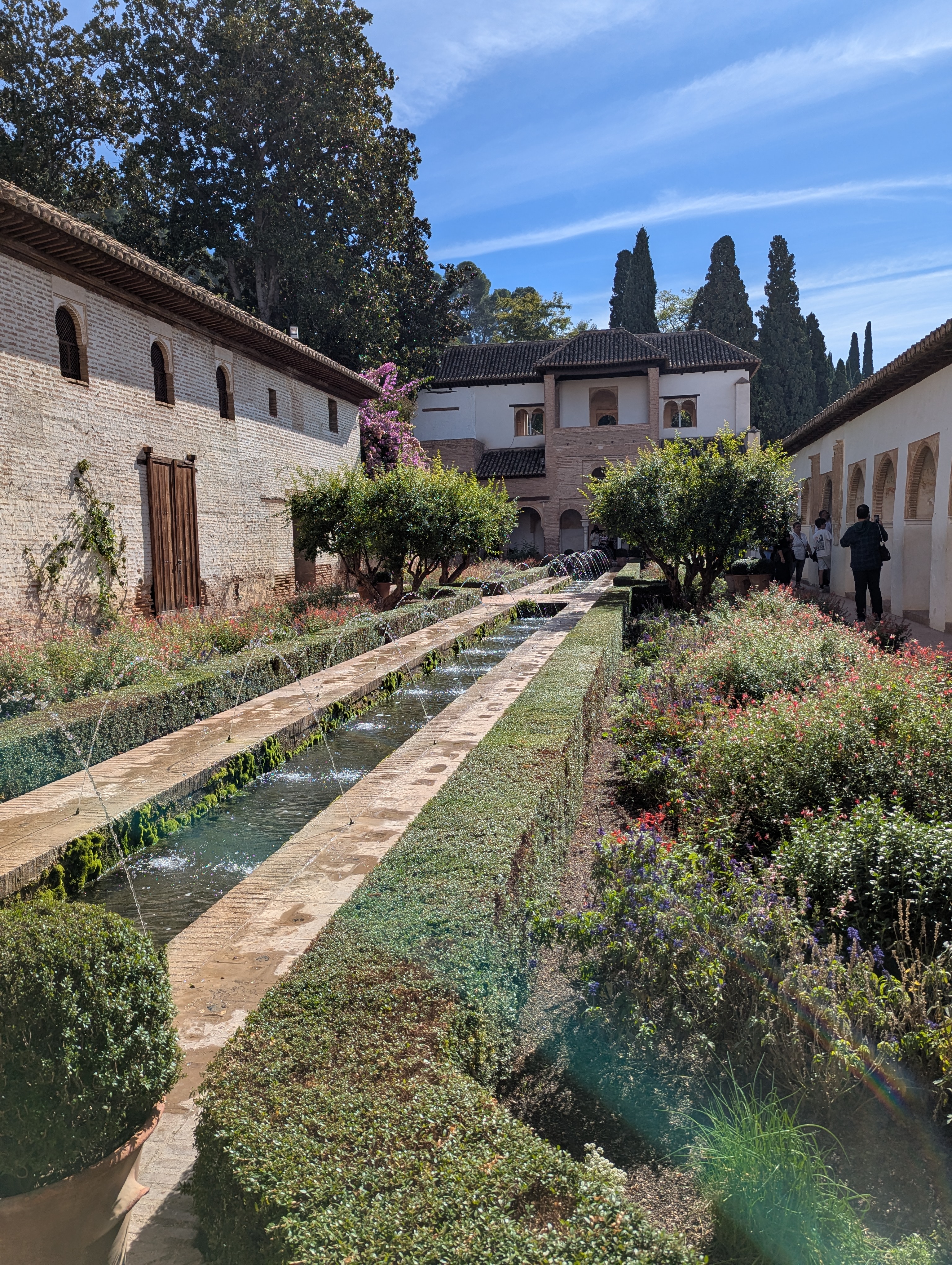
Sort of. There’s a lot to the place, so we actually started with the Generalife, a more modern palace and grounds with, as damned near everywhere in Granada, brilliant views.
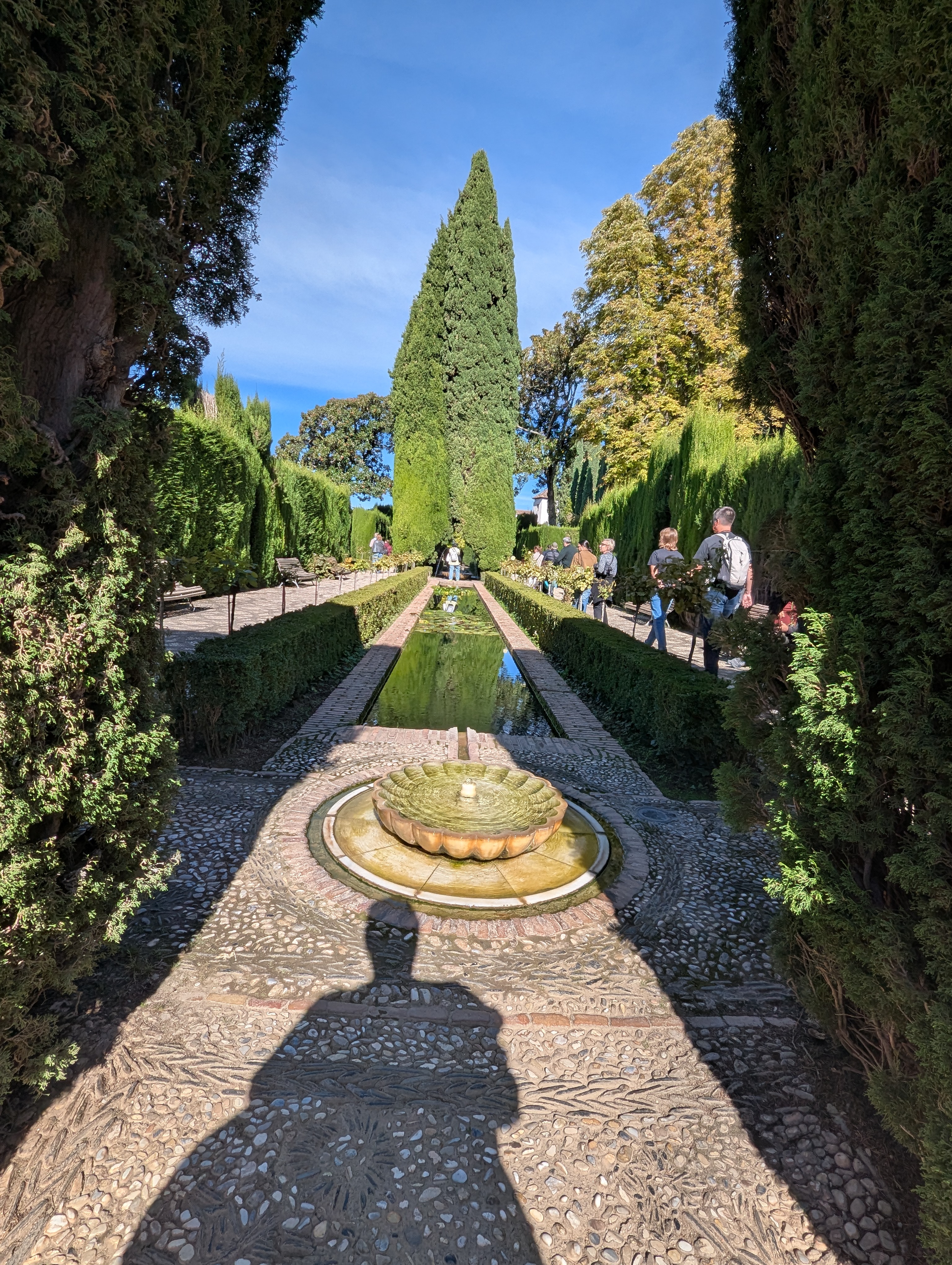
It’s nice, but hardly the main attraction.
That said, the Alhambra is not a building, so much as it is a collection of them. It was once, essentially, its own city. So in addition to defensive walls and such it’s got a cathedral, a former convent, and an unfinished palace that (hundreds of years later) became a museum.
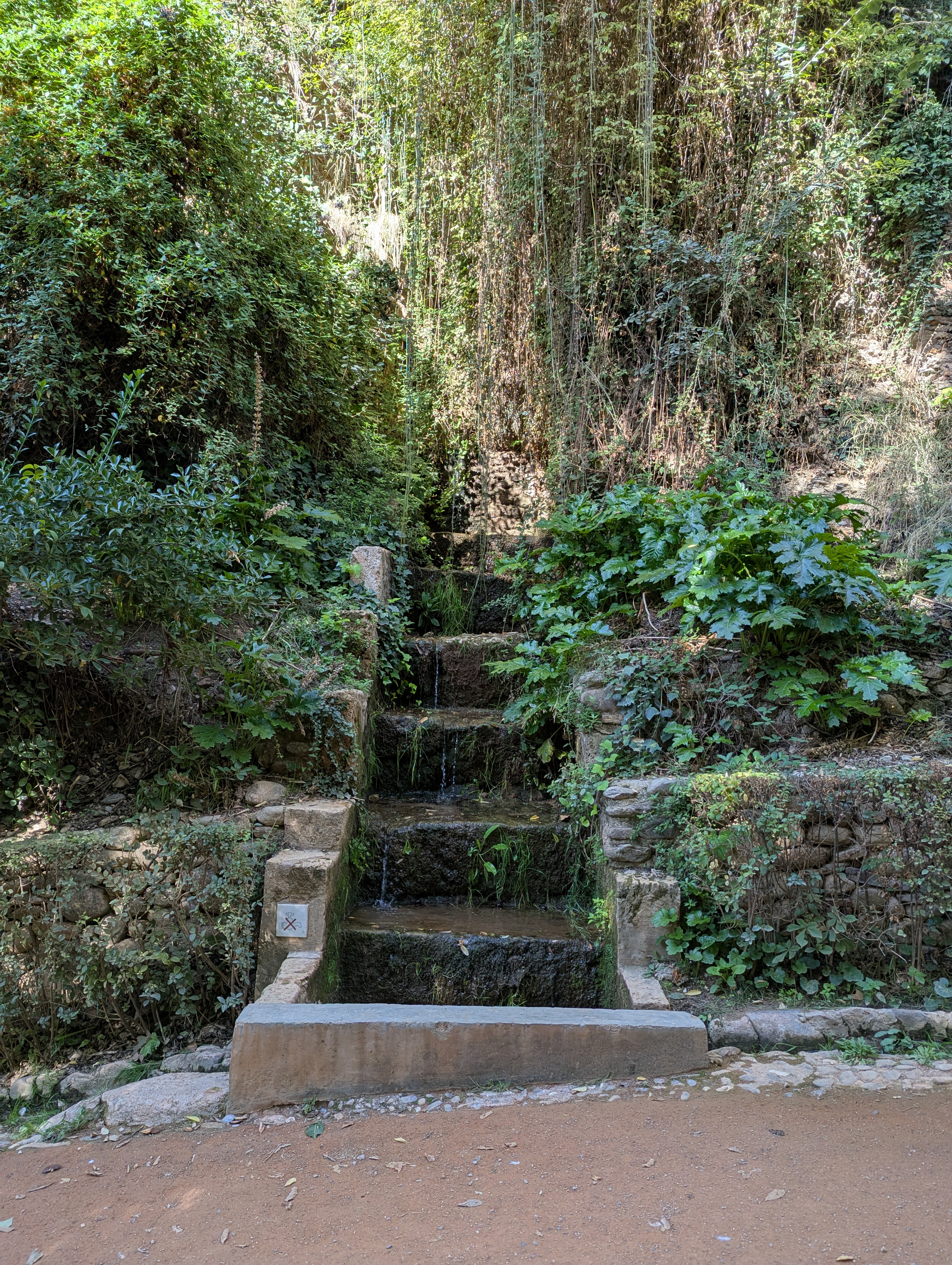
So, naturally you had to have water for the place – so a Roman-era aqueduct did the trick (bringing water from the source of the river up in the mountains).
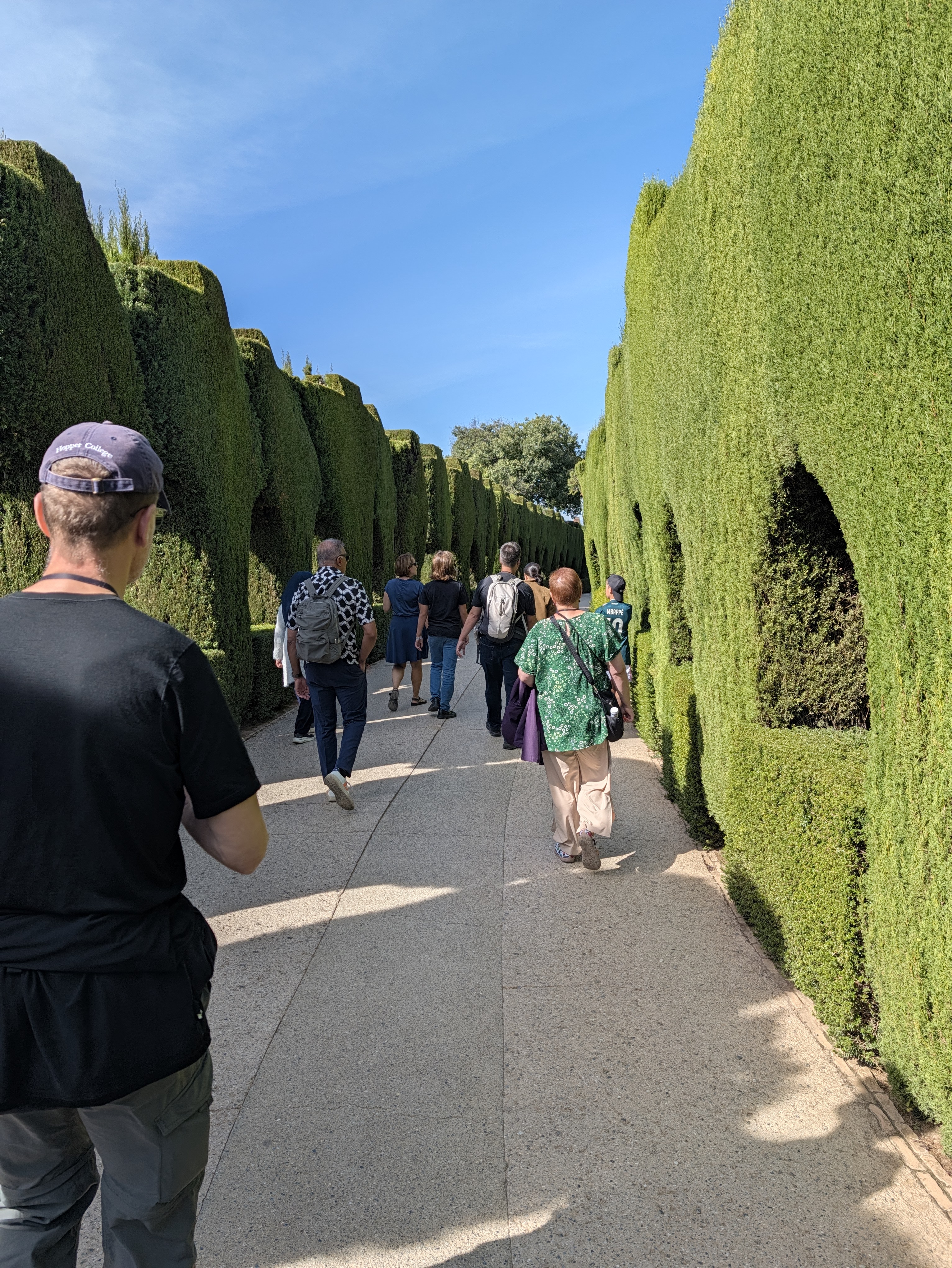
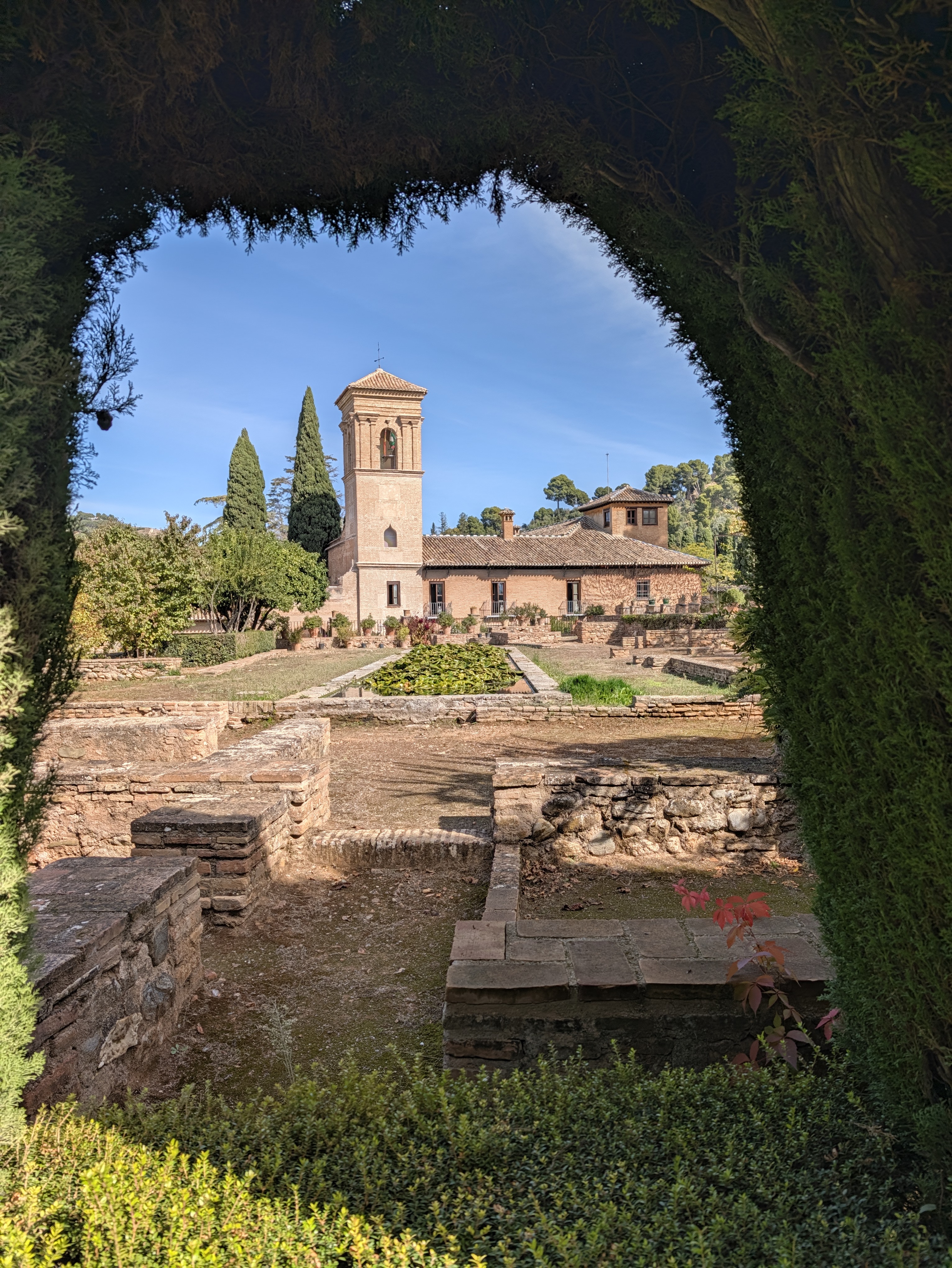
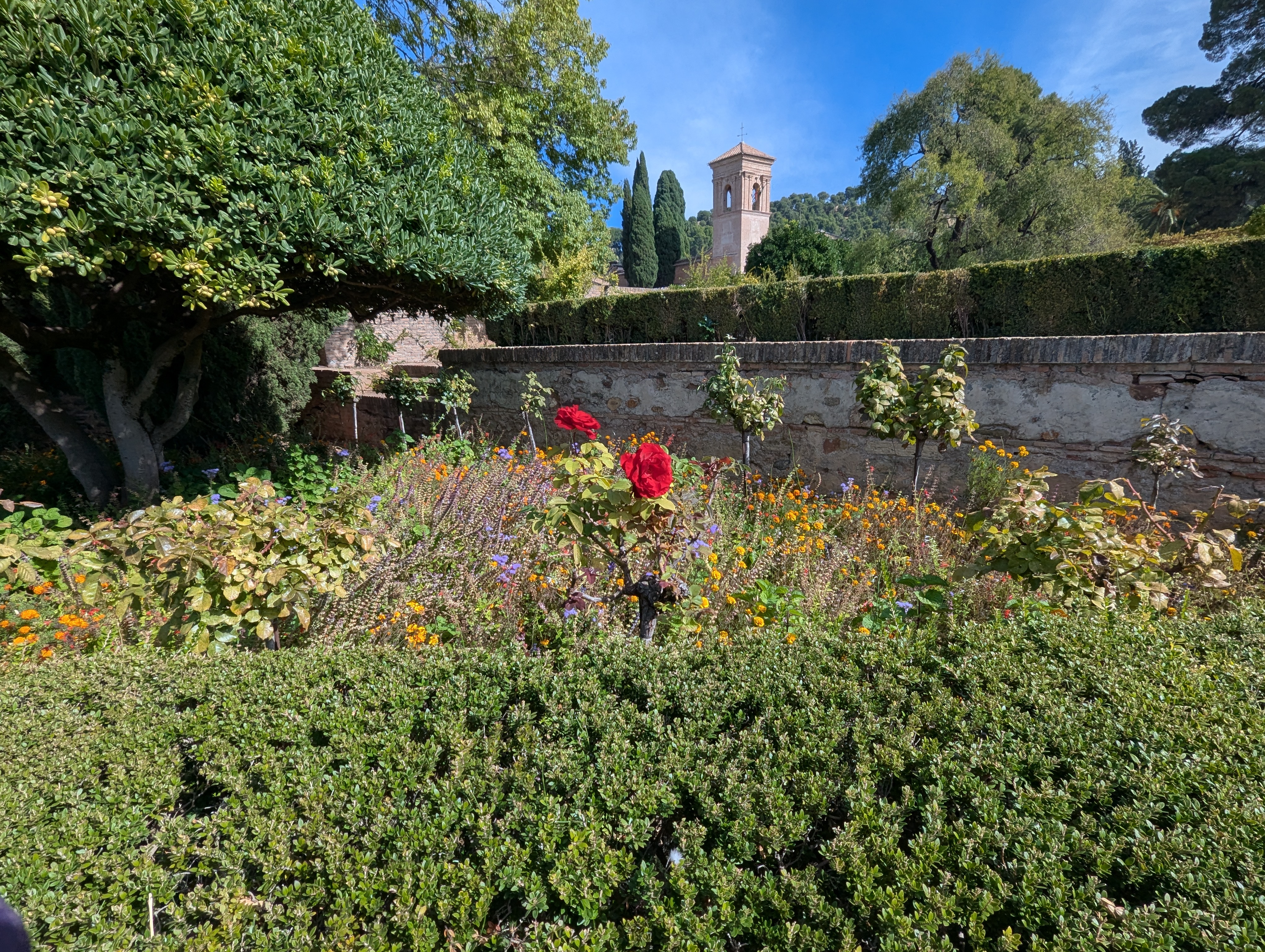
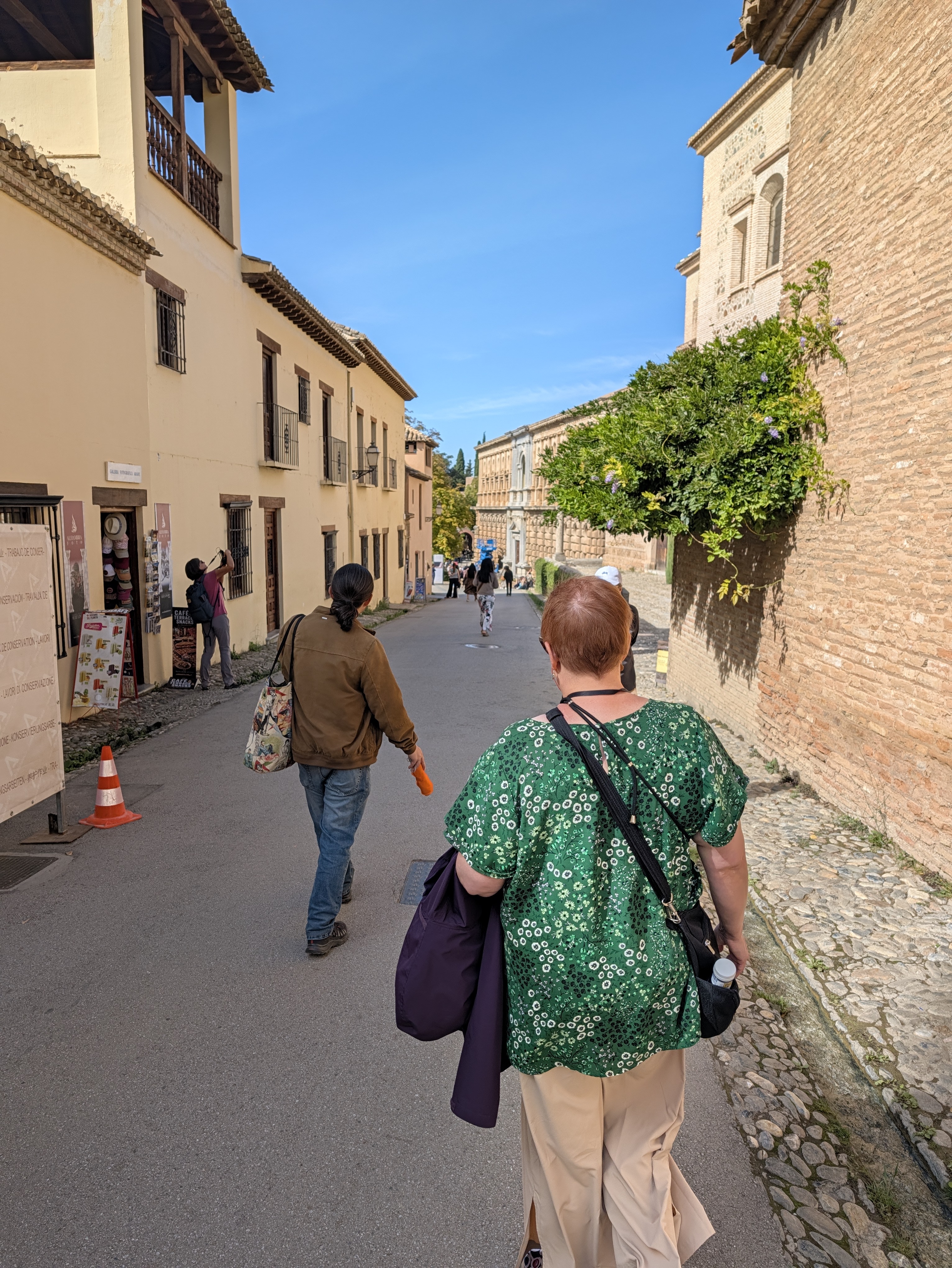
There are still a few people who actually live in the Alhambra and many who work there, with a street of shops open on the walk down to the main attraction.
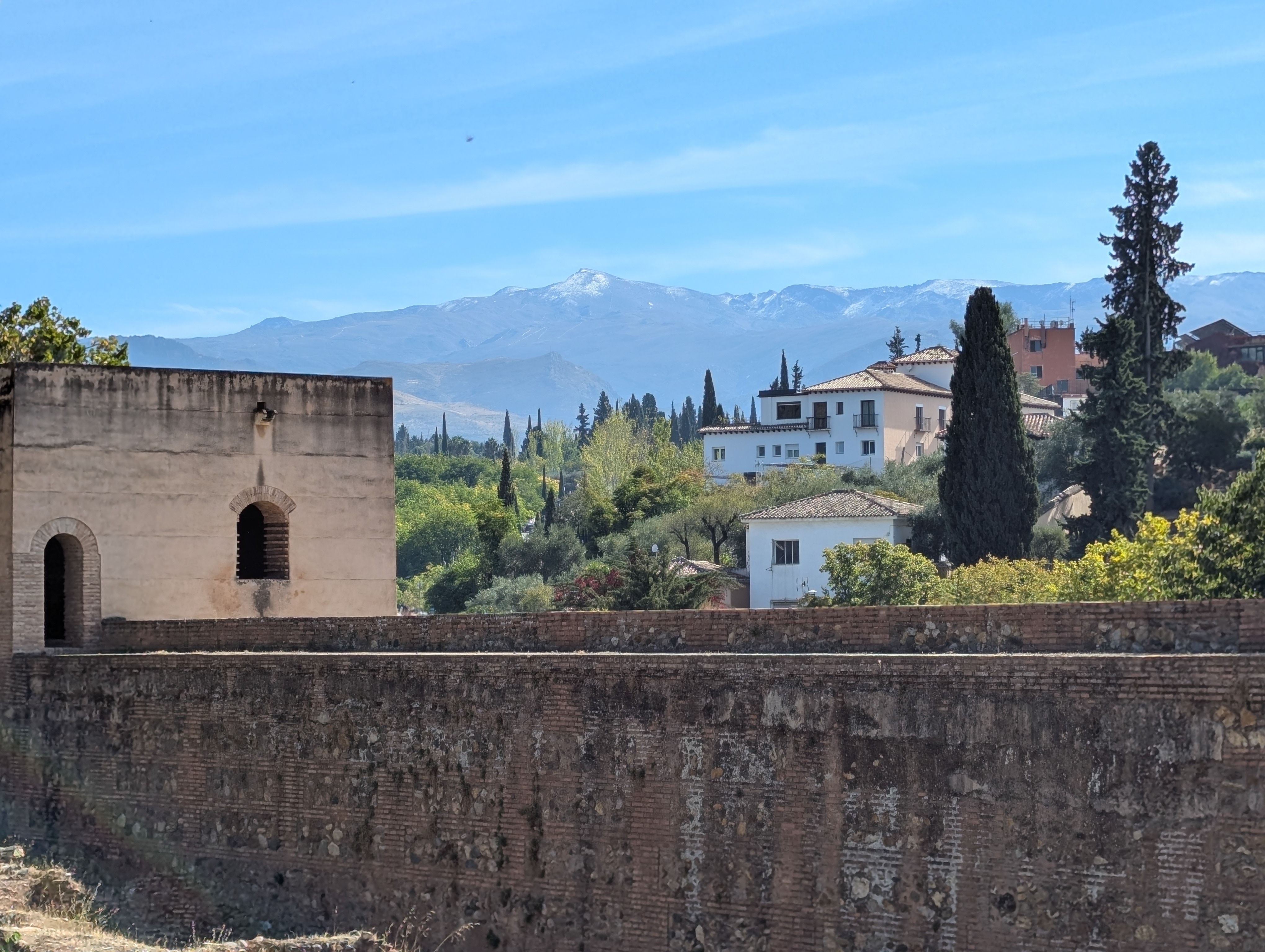
Primarily, of course, the Alhambra was a fortress.
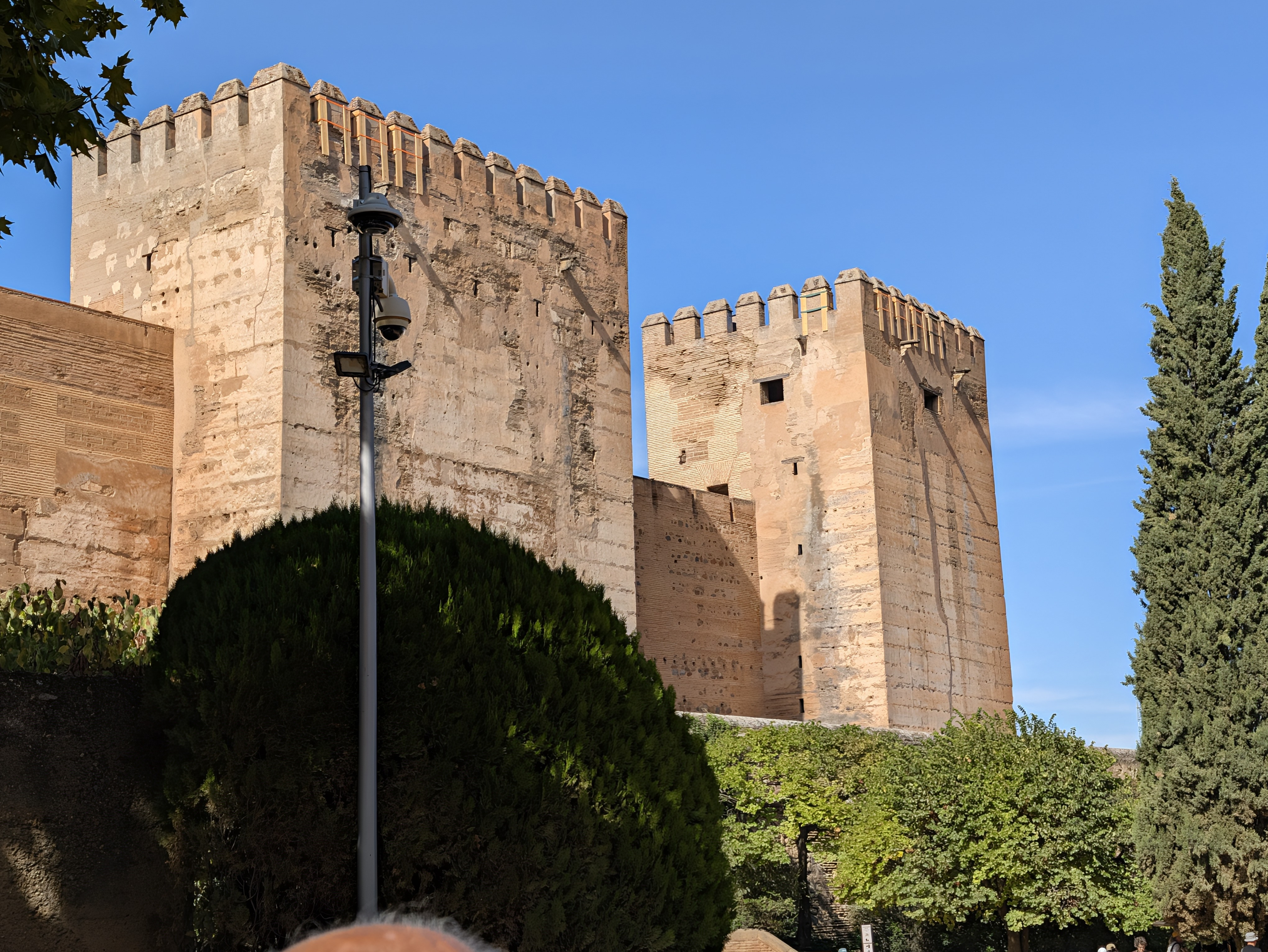
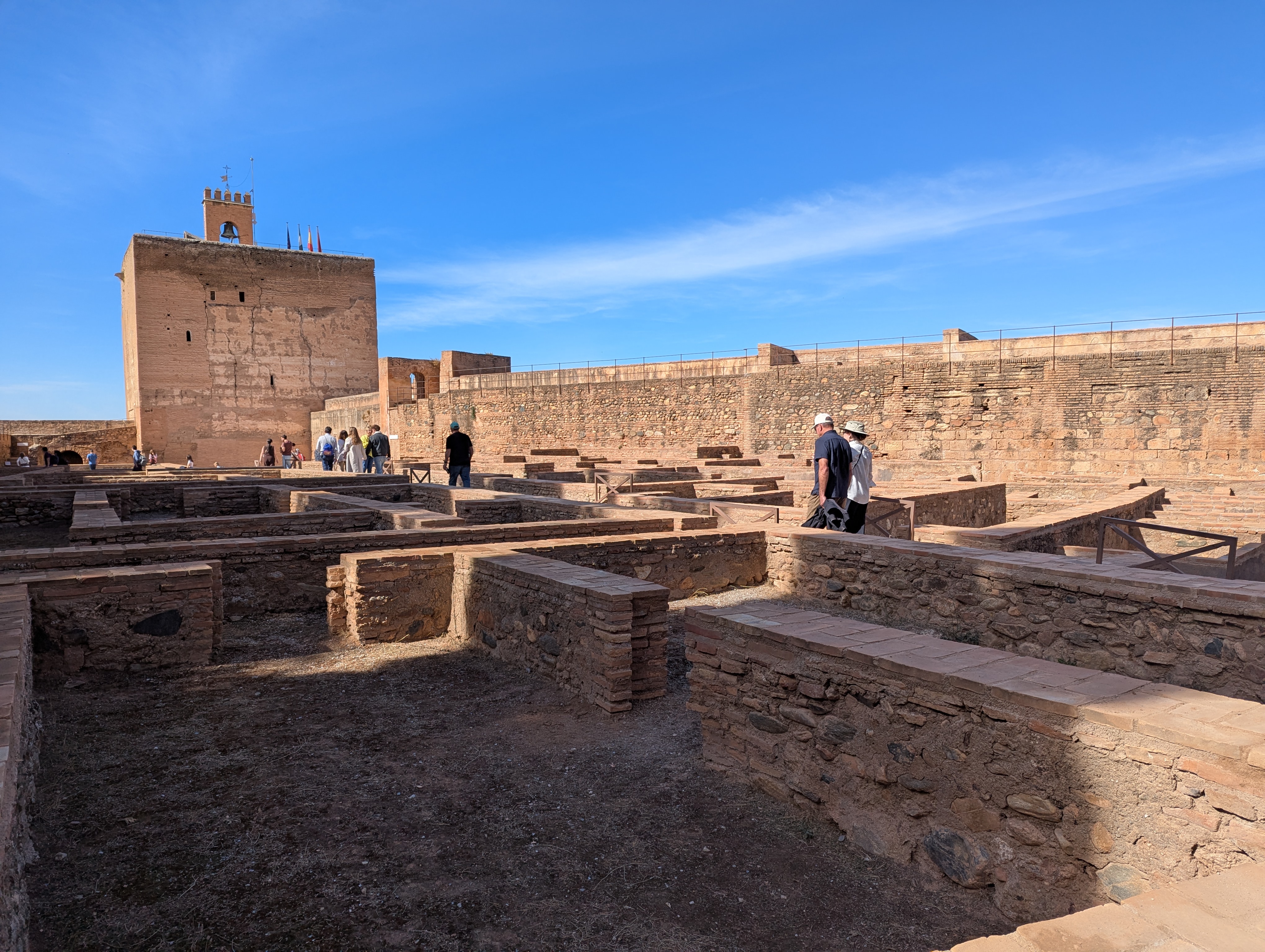
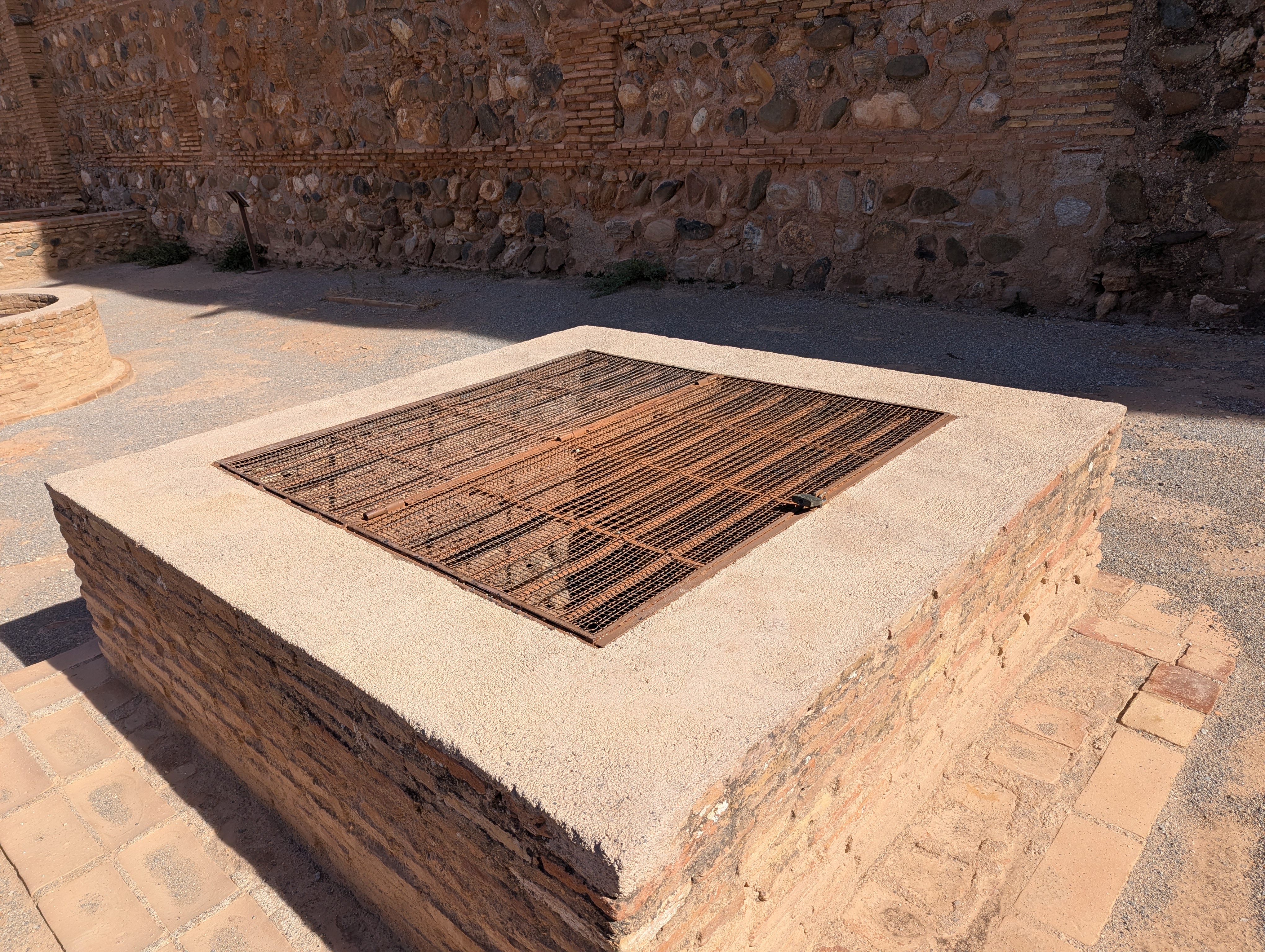
You don’t build on the high ground for nothing.
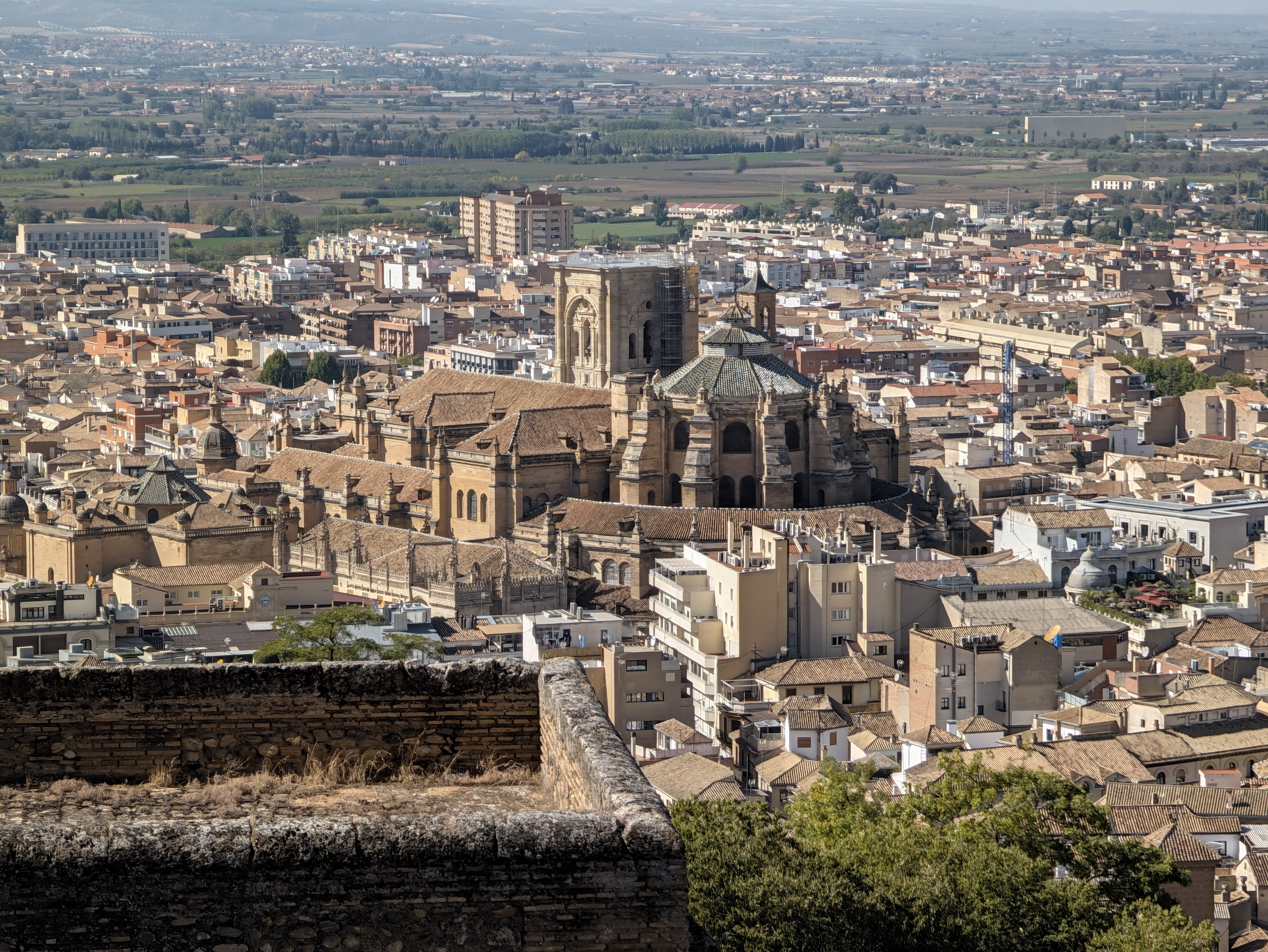
But it was also a very elaborate palace.
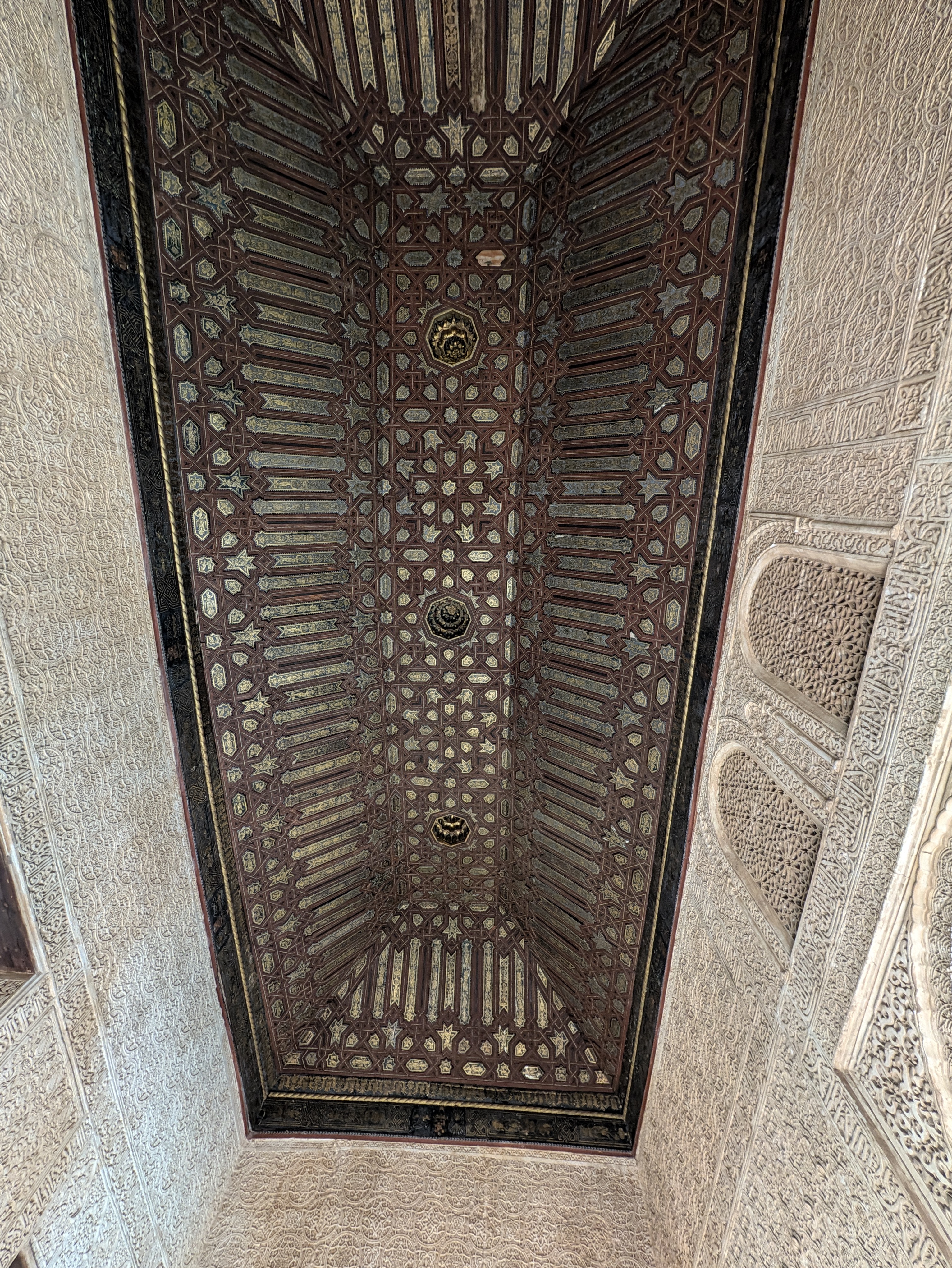
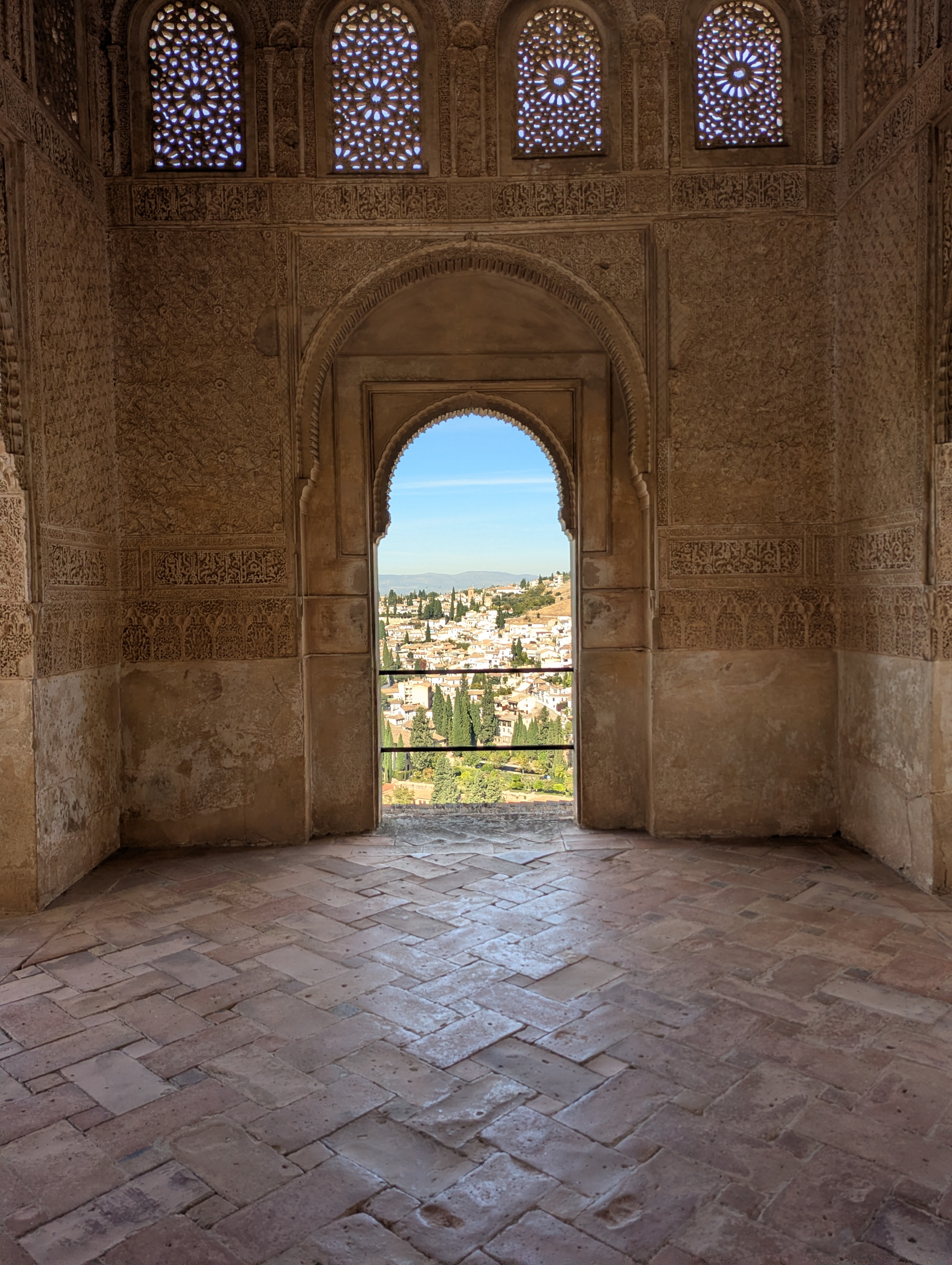
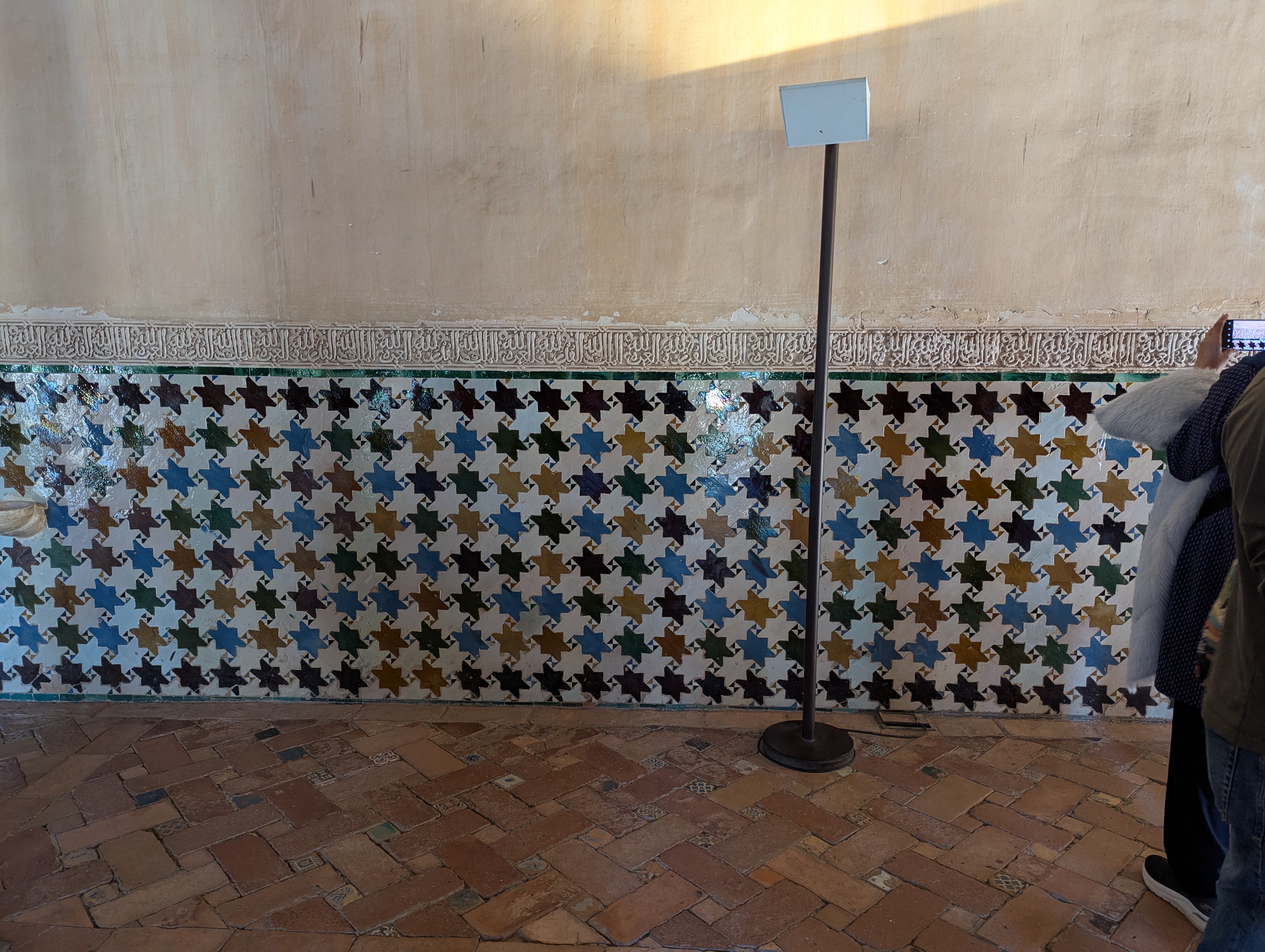
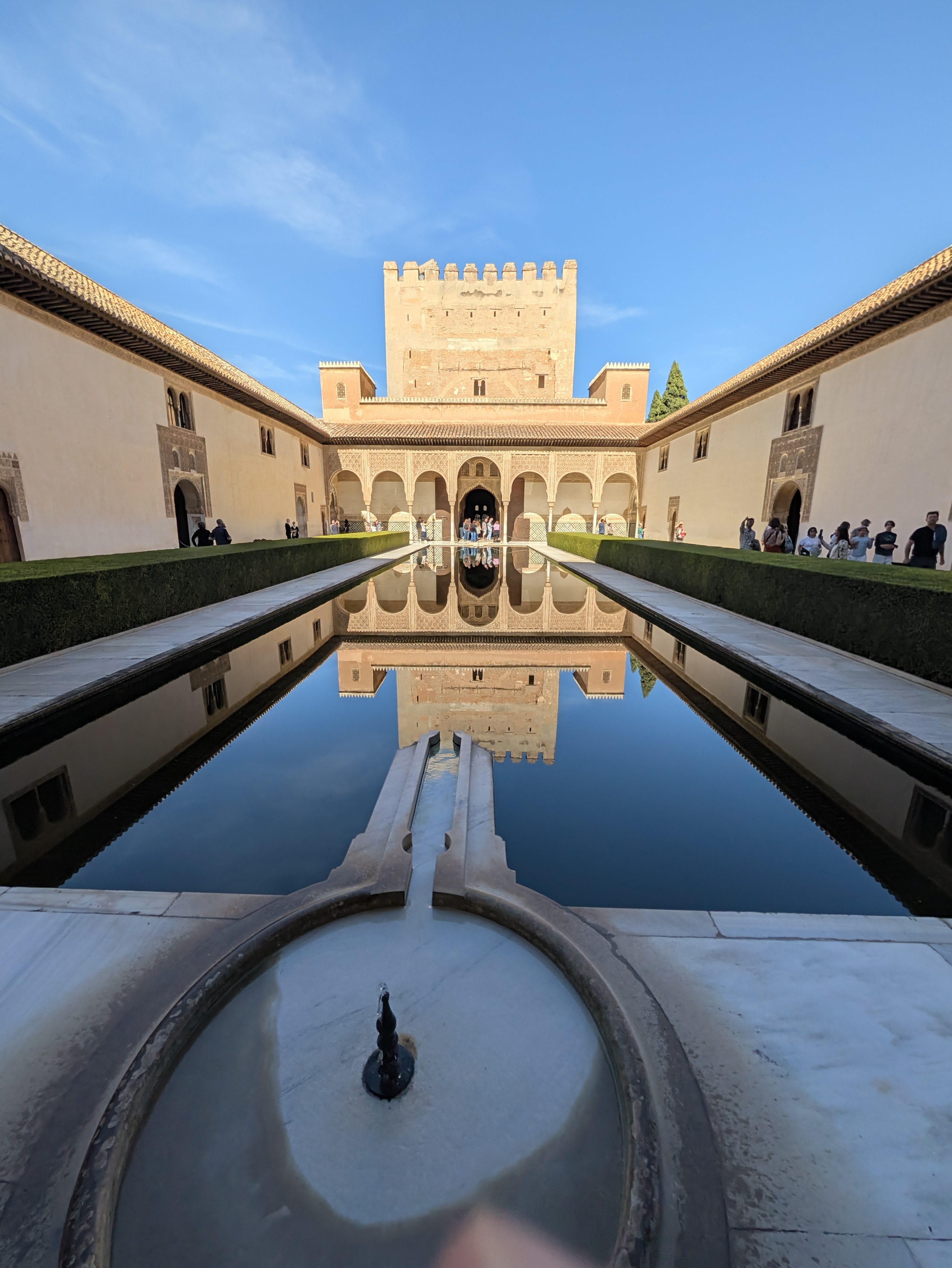
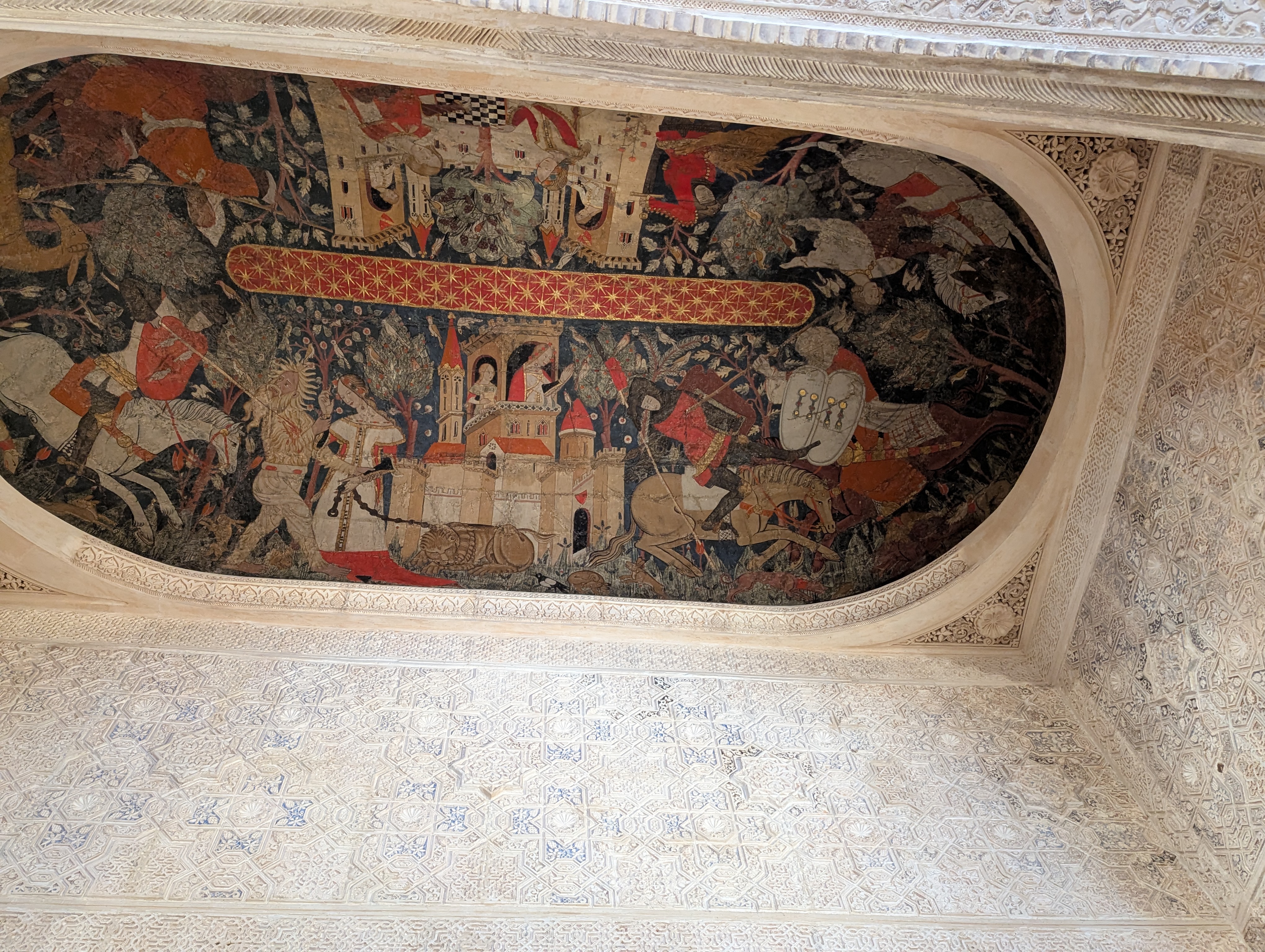
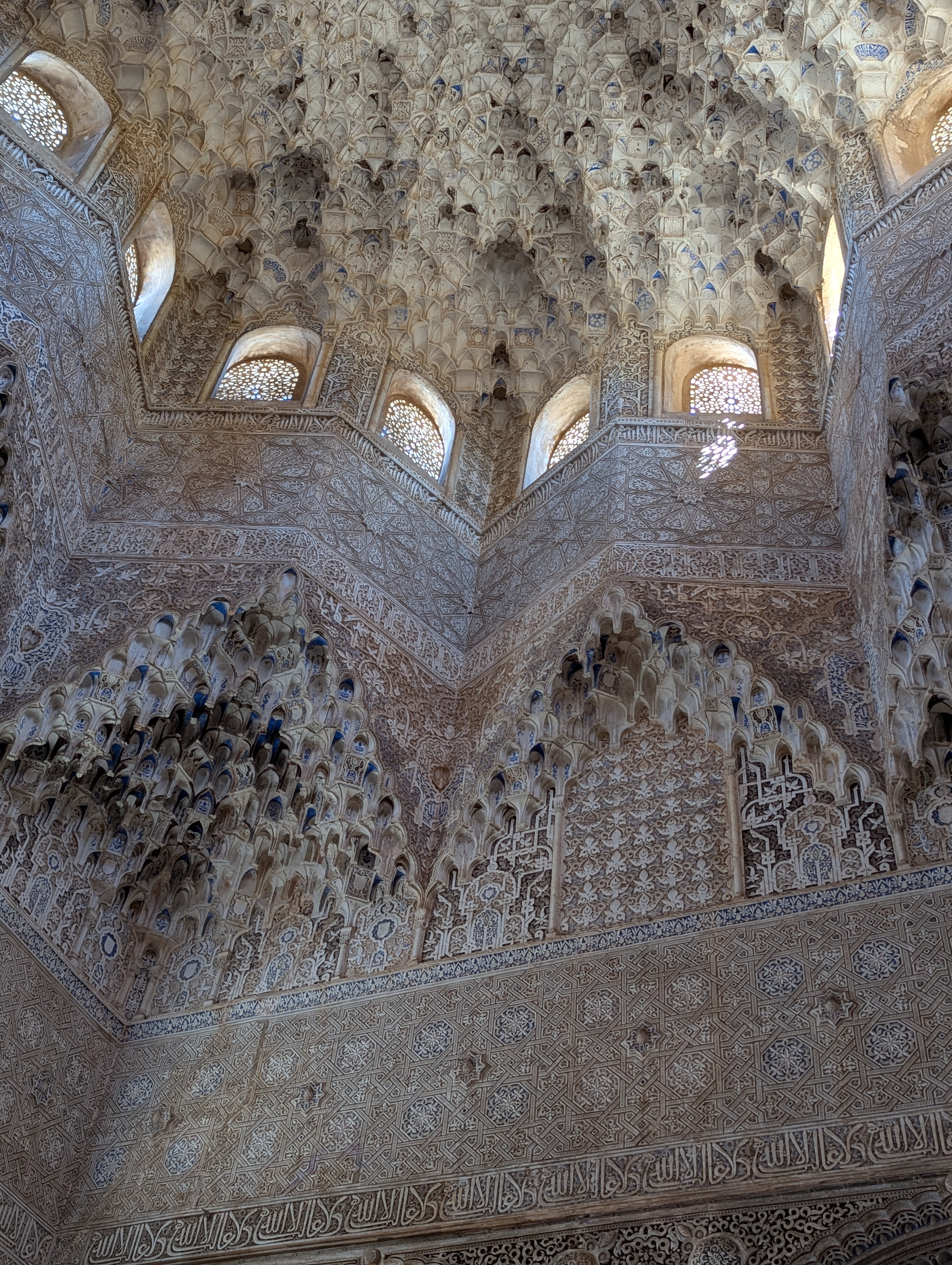
The most famous part of the place is the Court of the Lions, which includes this spectacular fountain.
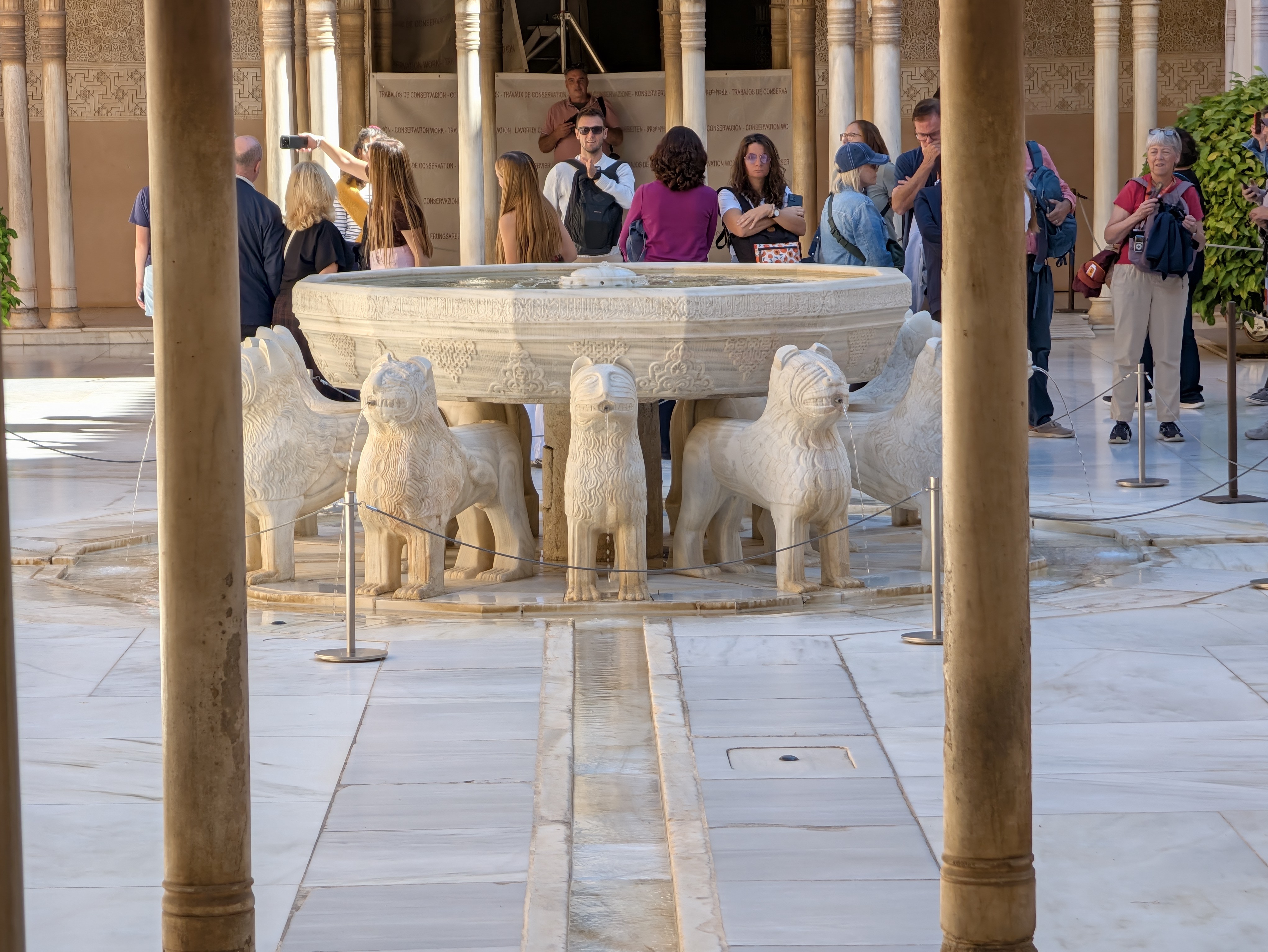
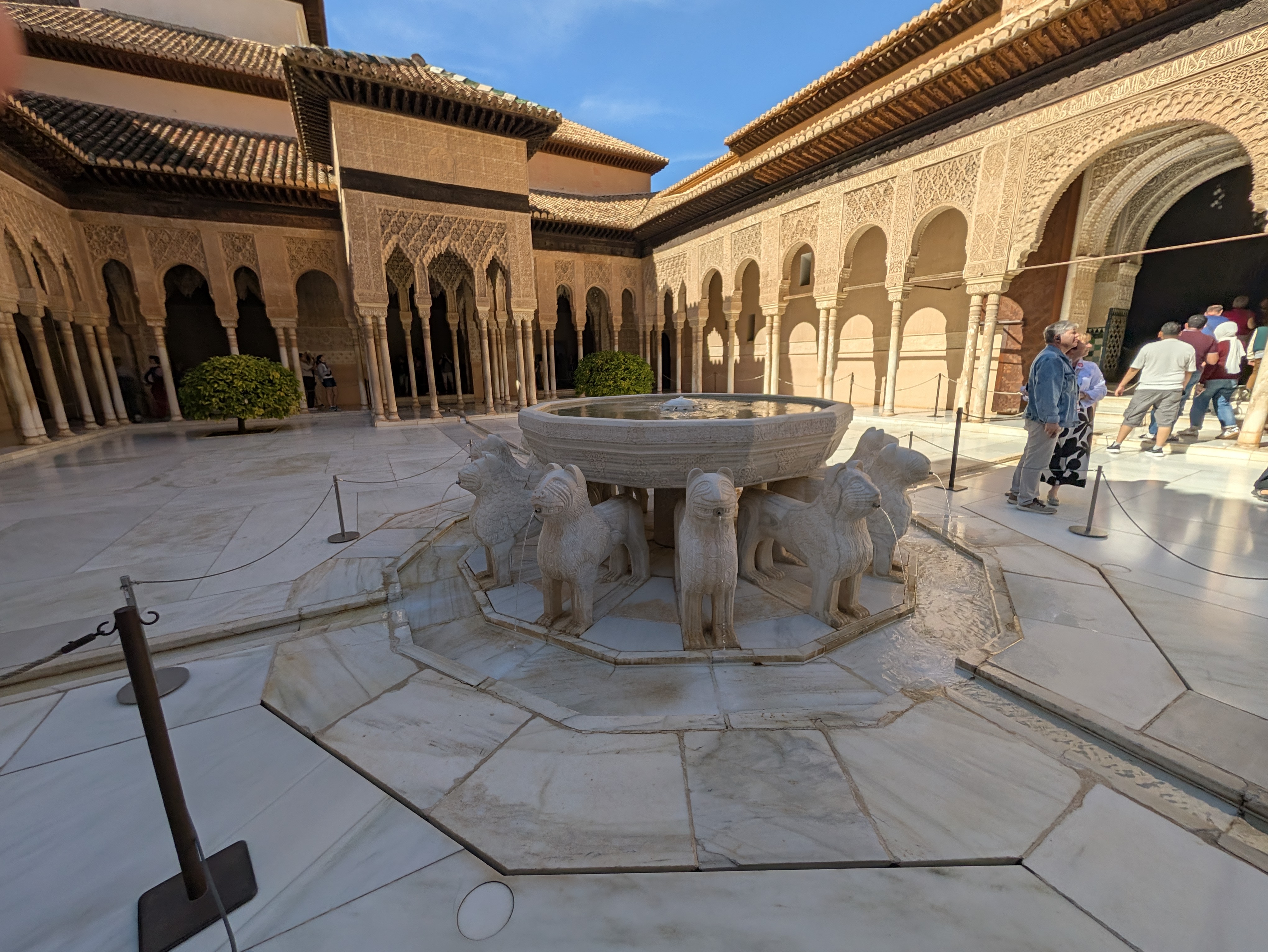
In true Tufnel fashion, nobody really knows why they were built or what they’re supposed to represent. Each one is unique, though, which shows the amount of time it took to build them all (in the 14th century).
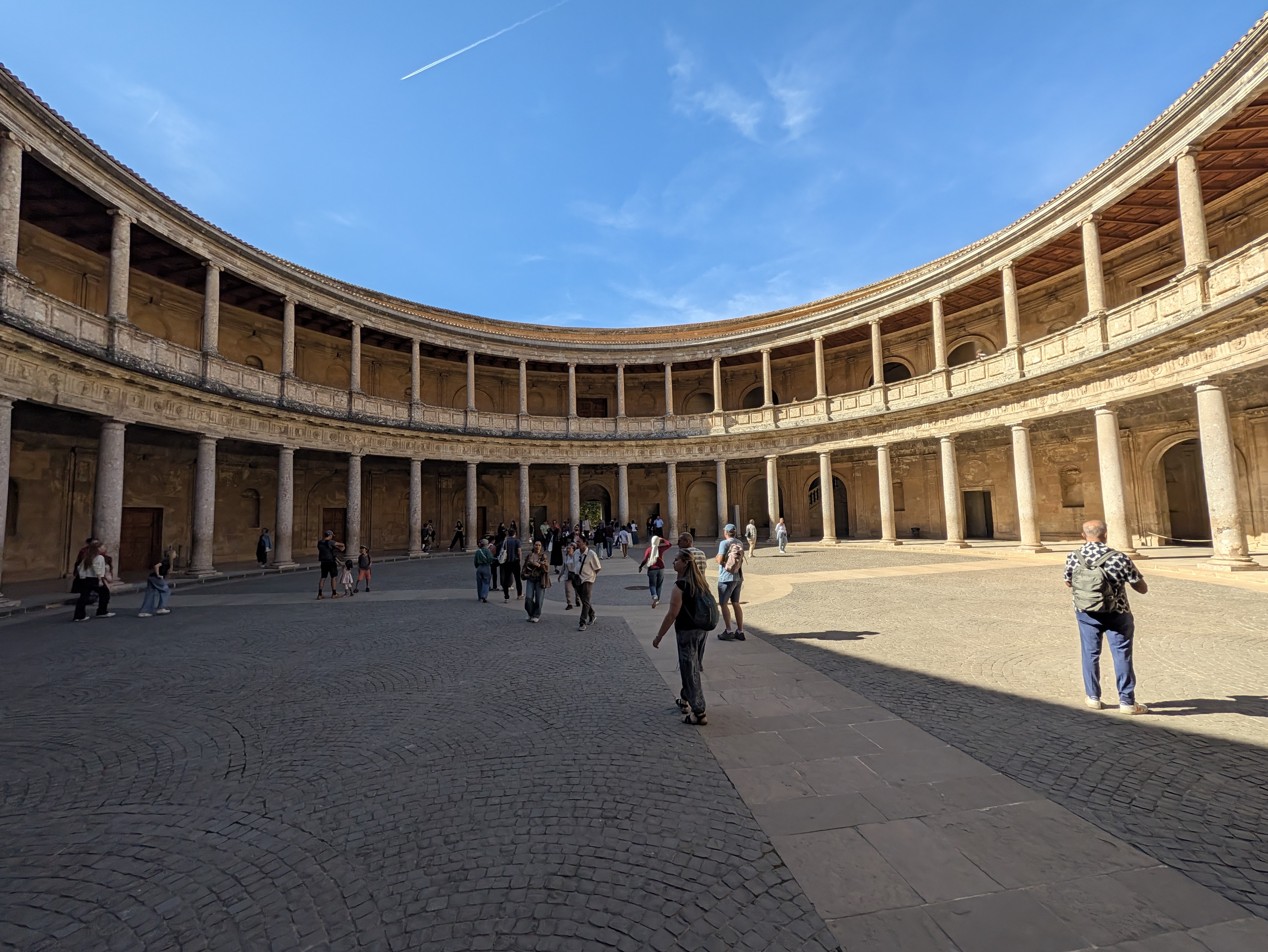
The place isn’t just ancient. Charles V, Holy Roman Emperor and King of Spain, started building a palace here in 1527, but it went unfinished and was abandoned in 1637 (well after his death). It was finally “completed” in 1927, but only got a roof in 1967. There’s a metaphor in there somewhere. Nice courtyard, though.
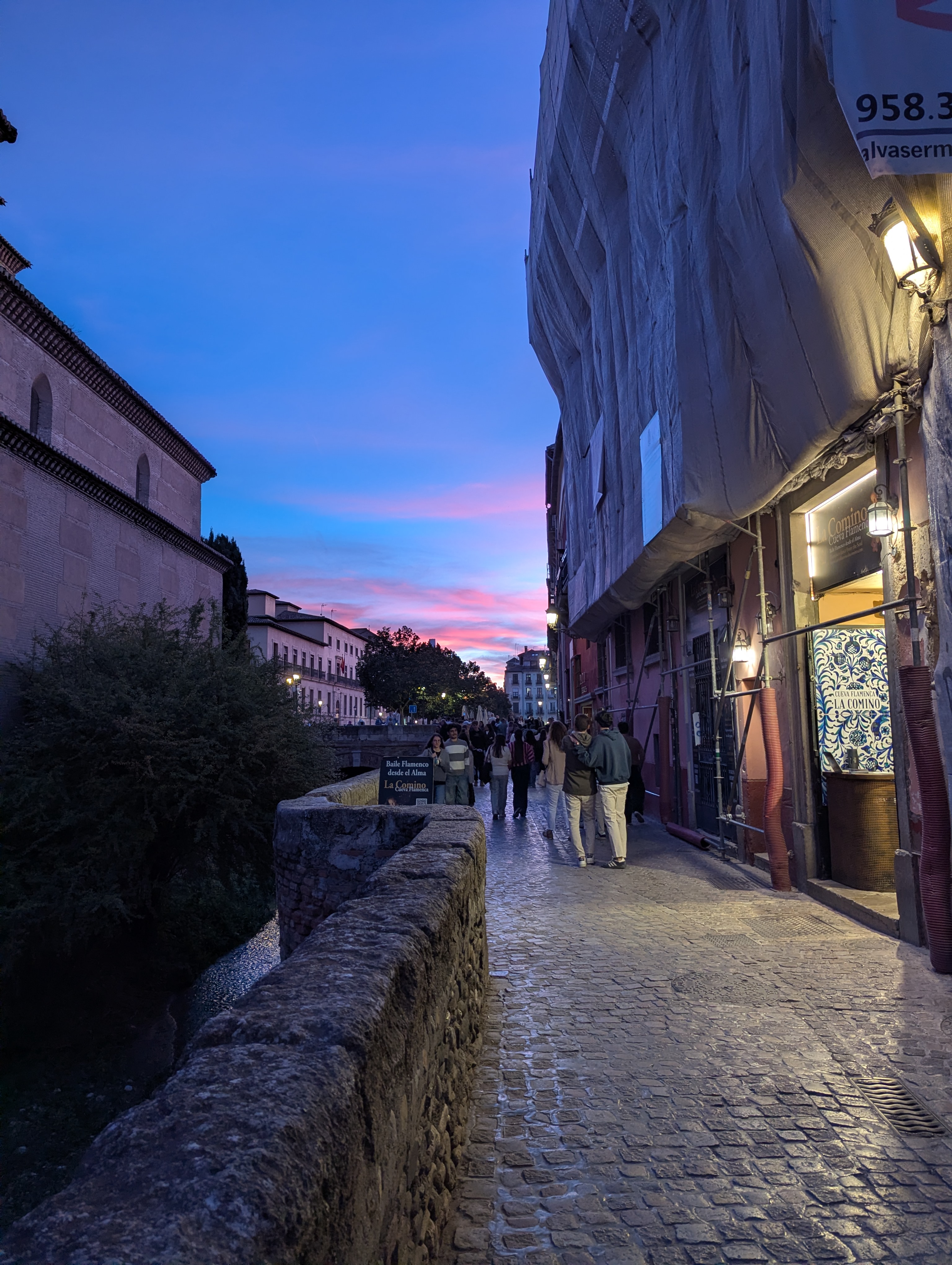
We spent the afternoon exploring the city.
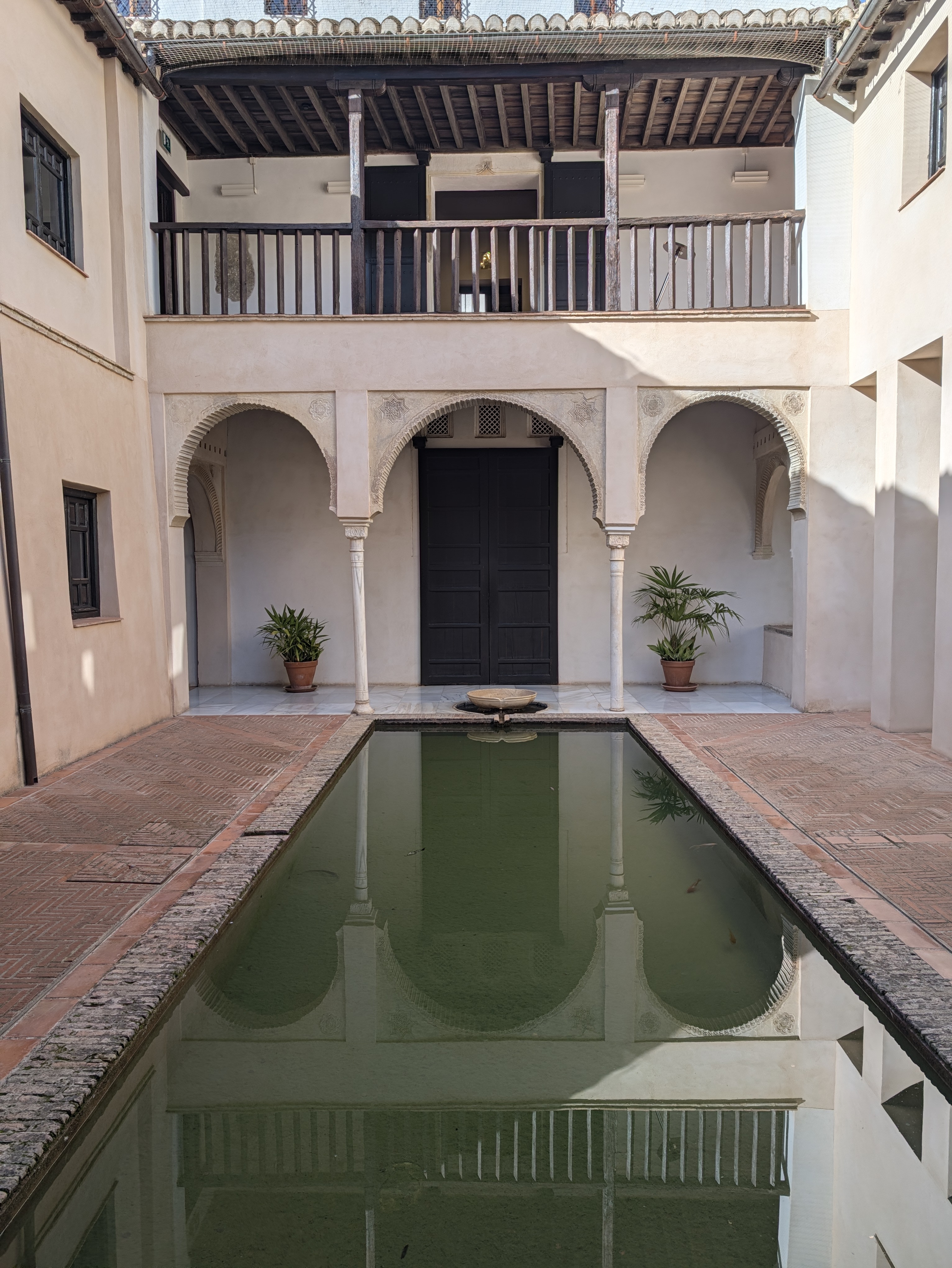
We stopped at the Casa de Zafra, a restored home that serves as a museum of the Albaicín.
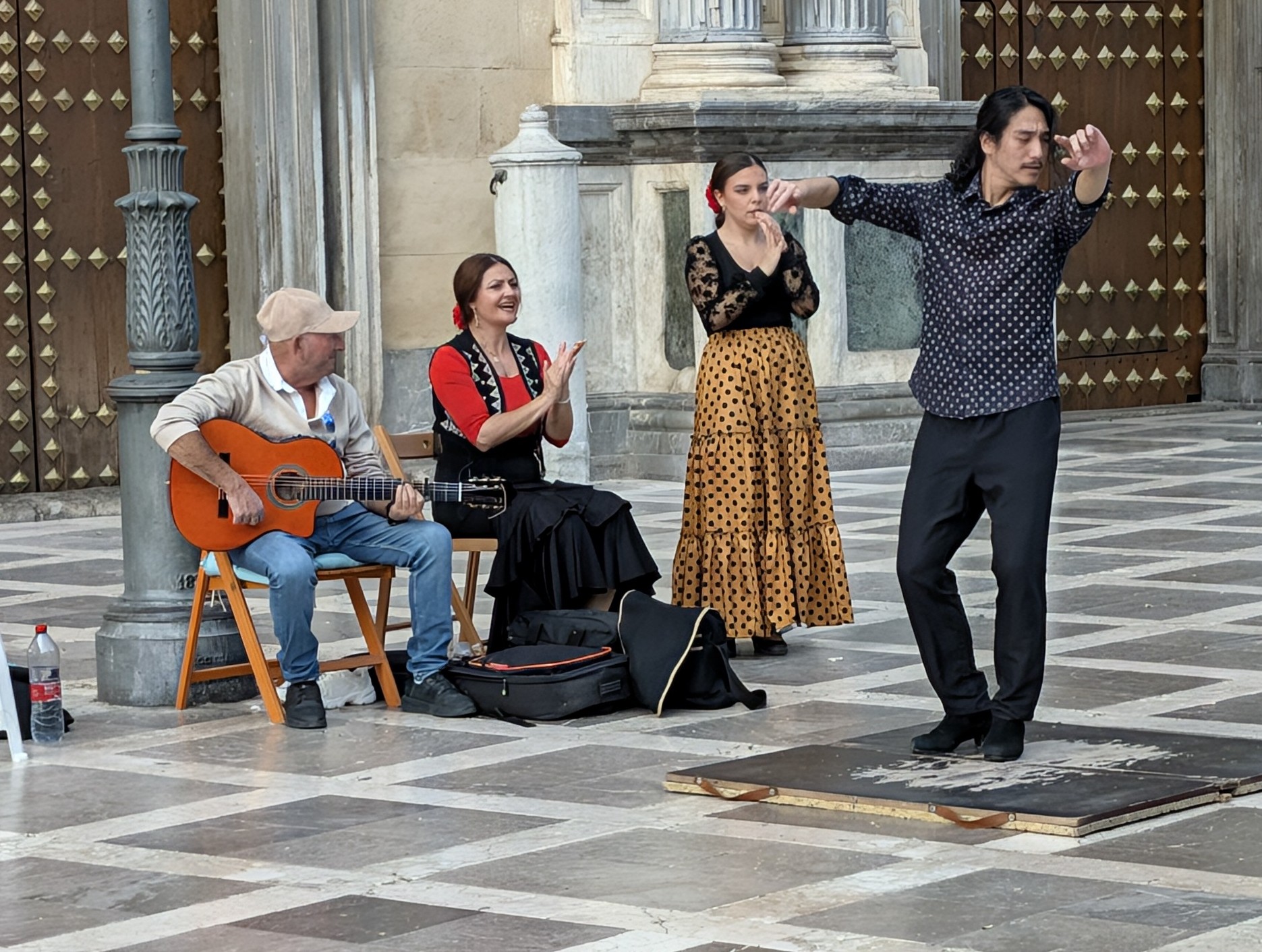
Stumbled into some street flamenco.
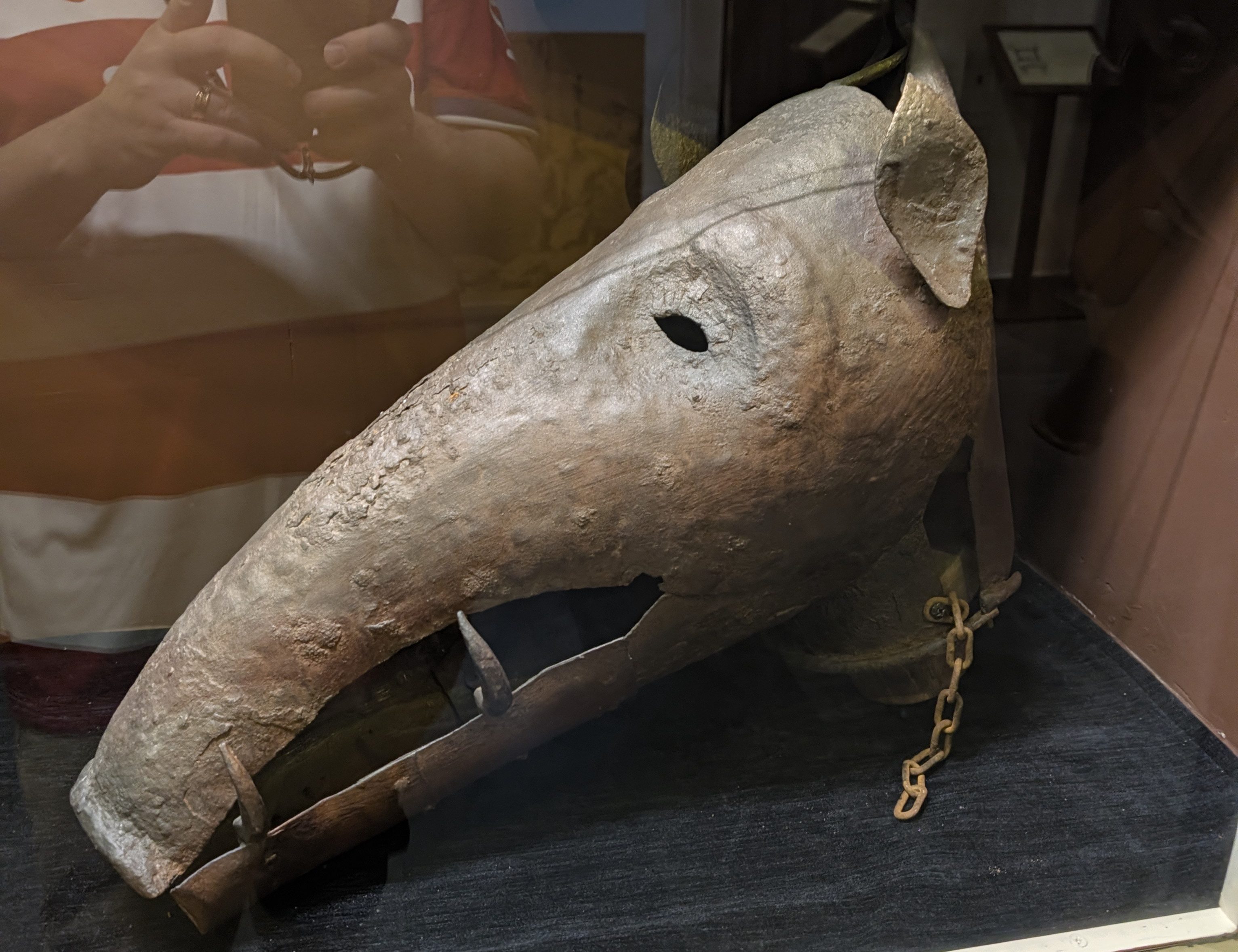
And a little torture, at the Museo de Olvidados (the “museum of the forgotten”), filled with toys from the Inquisition.
Madrid
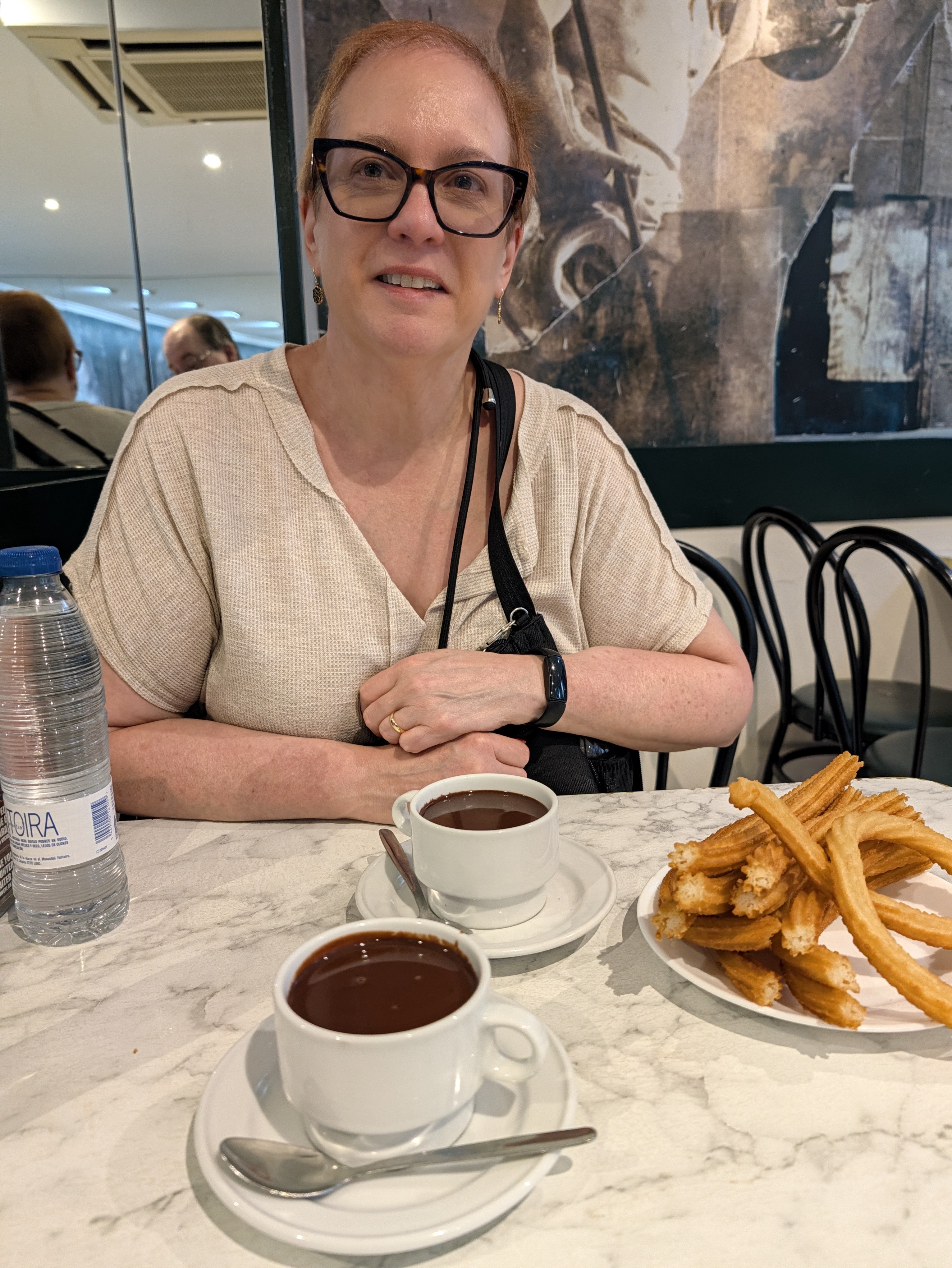
We really only went back to Madrid because it was the best place to fly home from. Nonetheless, it was a good excuse for another good dinner at a local place and one last batch of churros!
A word about . . . language.
I will admit – I was a little skeptical we’d be able to wade through this trip given that neither of us actually speak Spanish. When we went to Cambodia we had guides/translators with us the whole time and when we went to the UK, well they speak English (basically). Thankfully, most of the folks we dealt with had enough English proficiency that we could communicate well enough. It was a little more stressful in, say, train stations, were most announcement were in Spanish only, but day-to-day, we got along pretty well. A large part of that is down to the kindness of the Spanish people we dealt with (aside from the graffiti artists in Madrid).
Take it away . . . Joaquín (and friends)
After a few riffs on the original, here it is in all its glory, Joaquín Rodrigo’s Concecierto de Aranjuez.
And because I can’t resist finishing up with the prog, Emerson, Lake, & Palmer send us off with “Canario,” an adaptation of another Rodrigo piece (which is excellent – ignore the horrific fashion choices).

