The Prequel Problem

Ending stories is hard – trust me. But figuring out the right place to start them can be just as hard. That’s true for all kinds of stories, but particularly fantasy or sci-fi stories where you have to build the whole world around the story you’re telling and the characters involved. By definition their world existed before their story did and will continue to do so once it’s over (barring apocalypse, of course).

Which explains the popularity of prequels. There’s so much backstory to dig through, most of it only hinted at, that there appears to be a rich environment to exploit. It must also seem like a fairly safe investment, since you’re dealing with, if not familiar and fan-favorite characters, at least events and histories in which the fans are already invested.

But there’s an inherent problem with prequels – they’re playing in a universe in which the future is already known to us. That can box writers in and sometimes make it difficult for the prequel to stand on its own as a piece of compelling drama, something we should care about for its own merits.

I thought a lot about this problem over the weekend as the wife and I (at her suggestion!) finally caught up with the Obi-Wan Kenobi series.

The six-episode series is set in the time between Rise of the Sith, with its culling of the Jedi, and the original Star Wars (aka A New Hope), a time during which, for all we knew, Obi-Wan was living off the grid on Tatooine keeping tabs on Luke Skywalker. Years pass, of course, so the idea that he didn’t get into anything worthy of telling a story about is pretty sad, but do the writers use that freedom to do something really interesting?

No, not really.

The inciting incident of the series is when Princess Leia is kidnapped on Alderaan (nice planet – too bad it goes boom) by, of all people, Flea. This is part of a plan to draw out Obi-Wan so some Jedi hunters can get him. Those Inquisitors are kind of interesting and could have been explored in some depth, but they have a boss and his name is Darth Vader. And so, the series largely revolves around maneuvering Vader and Obi-Wan into the same space.

As a result, we get two solid confrontations between them, the second of which would have felt like a pretty epic duel if it had any kind of stakes. It couldn’t, however, because of the prequel problem: both Vader and Obi-Wan survive to fight again in Star Wars, so neither can be killed or even seriously injured in ways that conflict with the “future.” Likewise, young Leia (who, as you might expect, is quite the scamp) is never in any real danger, as we know she survives unscathed. Indeed, the series punts her offscreen for the final episode mostly, as it rushes back to Tatooine for a confrontation between one of the Inquisitors and Luke’s family – which, again, we know will ultimately come to nothing.

It didn’t have to be that way. Using Leia’s kidnapping to lure Obi-Wan out of hiding was a solid idea. Imagine if she’d mostly stayed off screen (a MacGuffin, if you will) while he scrapped with and evaded Inquisitors and grew into his status as a hero. There’s actually a good character arc in the series, as Obi-Wan goes from trying to lay low and hide to being more engaged with the Rebellion. Isn’t that a cool enough story to tell? Do we need the Vader stuff? Do we need any suggestion that Leia or Luke will be harmed?

Star Wars knows how to do this. Rogue One is regarded by a lot of people as the best Star Wars movie since the original trilogy, even though we knew precisely how it was going to end. What made it work was that existing characters were largely absent and we got to know and care about a whole new cast so that when they made the necessary sacrifices to complete their mission it landed with some heft.

Ultimately, I think the prequel problem is a matter of characters rather than universes. After all, we read historical fiction all the time that involves real events. It’s not what happens to characters, it how it effects them, changes them, that matters. But when your prequel ties itself to characters who can’t change, that becomes a problem. I’ve dinged Star Trek – Strange New Worlds for tying itself too closely to characters steeped in Trek lore, rather than freely exploring people we know nothing about.

I’ve never really been interested in the idea of writing prequels. I had a prequel story, of a sort, for one of the characters in the Unari Empire trilogy that I almost wrote, but ultimately decided that all that was important about him was in one of the books already. Generally speaking, I’d rather go on and dive into a new world with new characters than revisit old ground.

But if you asked nicely . . .
Is the ATAC a MacGuffin?

For Your Eyes Only is my favorite James Bond flick.

Part of that is due to when I saw it, it being one of the first Bond movies I’d seen. But a big part of it due to the fact that the spine of the movie’s plot is a more plausible Cold War scenario than the Dr. Evil inspiring big bads Bond often faced.

In a nutshell, a British ship (disguised as a fishing trawler but really a spy ship) sinks off the Greek coast. On board was the Automatic Targeting Attack Communicator or ATAC, a computer that helps coordinate the UK’s ballistic missile fleet. Naturally the Soviets want to get their hands on it. Bond, aided by supreme Bond Girl Melina Havelock, tries to get it back for the Brits. In the end . . . well, the end is one of my favorites of all time:

So I was delighted to come across an episode of the All 80s Movies Podcast about For Your Eyes Only. I was surprised, though, when the guys on the podcast called the ATAC (which they hilarious mispronounce “AhhTAC” – it’s not like they don’t say it over and over again in the movie!) a “MacGuffin.” That didn’t jive with my idea of what a MacGuffin was and got me to thinking about it.

The term apparently dates to about 1930s or 1940s and was coined by a British screenwriter named Angus MacPhail, who worked a lot with Hitchcock. As defined by the OED, a MacGuffin is:

a particular event, object, factor, etc., presented as being of great significance to a character or characters, but in the end proving illusory.

Hitchcock would further explain that a “MacGuffin is the thing that the spies are after, but the audience doesn’t care” and, ultimately, “is actually nothing at all.”

It’s that last part that I always associated with the concept of a MacGuffin. A famous more recent example is the briefcase in Pulp Fiction, which multiple characters go to great lengths to possess, but we never learn what is inside, except for:

But I’m seeing lots of examples cited of things that are, to my mind, so substantial to be considered MacGuffins. Some cite all the things in the Indiana Jones movies (as in “Indiana Jones and the BLANK of BLANK”) as MacGuffins. This includes the Ark of the Covenant in the first movie – but they find the Ark, it melts some Nazis, and basically deus ex machina’s Indy’s escape. Is that a MacGuffin? Another list includes Colonel Kurtz from Apocalypse Now, a real human being with whom the main character significantly interacts, as a MacGuffin. That makes no sense to me. Likewise the Death Star plans in Star Wars – not only do they jump start the plot, but we see them after delivery and the info in them allows Luke to blow the place to shit!

Other examples hew closer to my conception of a MacGuffin. “Rosebud” in Citizen Kain, for example, since the important part of the story isn’t the damned sled but that rise and fall of Kain’s life. The Holy Grail in Monty Python and the Holy Grail is an even better example, since it motivates the action but is never seen or obtained by the characters.

While pondering all this I checked out one of the all-time great MacGuffin movies, which I’d never seen, The Maltese Falcon.

It definitely fits the mold of MacGuffin I have in my mind. The bird itself doesn’t show up until about 15 minutes from the end of the film and then, once it’s revealed to be fake, ceases to have any real meaning. Rather, the movie is about what the pursuit of this object (which Bogart’s Sam Spade calls “the stuff that dreams are made of”) changes and corrupts all who decide to pursue it. It could be anything – a Javanese lion, an Andalusian wombat – and the same story gets told. That the damned thing matters to the characters but doesn’t to the audience seems to be the whole point.

I suppose for me the question is how important the actual item is to the resolution of the story. If all it does it motivate people and the ultimate identity/characteristics of the thing doesn’t matter, I’d call that a MacGuffin. If it’s more important than that, probably not.

Where does that leave the ATAC? Since we see it in action, then see it recovered, then stolen, and then ultimately destroyed by the main character so the bad guys can’t have it, I’m definitely not getting MacGuffin vibes from it. It’s just too important to the movie, including the wider world of it. The world of The Maltese Falcon continues to spin regardless of how that petty crime is resolved, while the world of For Your Eyes Only gets considerably more dangerous if the ATAC falls into Soviet hands.

Ultimately, what qualifies as a MacGuffin is probably in the eye of the beholder. As a writer, it’s a useful tool to have in order to motivate characters. On the other hand, don’t lose sight of the fact that sometimes the little doohickey everybody is trying to get their hands on is pretty damned important in its own right.

Just like obscenity, you know it when you see it.

On Deciding Not to Publish

When the film version of A Clockwork Orange was released in 1971 it was the subject of a lot of controversy due to its portrayal of violence and sex. As I observed years ago:

The telling of Alex’s story is replete with, well, sex and violence. Roger Ebert’s original (non-flattering) review notes an ‘X’ rating, but the DVD calls it ‘R.’ There’s lots of nudity, for example, but the only sex involved is a single scene that’s so sped up (to the tune of the William Tell Overture, no less) that it’s mostly a blur. A presumed rape happens off screen. And while there’s copious violence, there’s very little blood. It’s nothing compared to what comes out these days. And it helps showcase not only the brutality of Alex’s shallow world view, but the equally shallow world view of those that take their revenge on him.

It was such a thing that a British prosecutor cited it in court the next year amidst allegations of copycat violence. In 1973, the film was withdrawn from British release at director Stanley Kubrick’s behest, even though he didn’t think it was inspiring anything. It wouldn’t be released in the UK again until after Kubrick had died.

I thought about A Clockwork Orange when Elizabeth Gilbert (she of Eat, Pray, Love fame) announced on social media that she was withdrawing from publication a new novel that was due to come out in 2024:

Eat, Pray, Love author Elizabeth Gilbert is pulling her new novel from publication after Ukrainian readers expressed ‘anger, sorrow, disappointment and pain’ about her decision to set a book in Russia.

Gilbert’s The Snow Forest is a historical novel set in Siberia, and follows a family of religious Russian fundamentalists who have lived isolated and undetected for 44 years since retreating from the world in the 1930s.

When they are discovered in 1980 by a team of Soviet geologists, a scholar and linguist is sent to the family’s home to bridge the chasm between modern existence and their ancient, snow forest life.

A lot of the pushback to the book happened on Goodreads, as often happens even well in advance of a book coming out (and thus anybody actually reading it). By the time I got to the Goodreads page for the book (which is now completely gone) all the info about the book – the blurb, cover, etc. – had been taken down, so it was impossible to tell if there was something in the way the book was being sold that triggered the backlash or if it really was as simple as Ukrainians pushing back against a new book set in Russia.

Gilbert’s decision prompted a lot of discussion. Most of it’s been negative, as is perhaps inevitable in an era where “cancel culture” continues to weigh on peoples’ minds and books are being banned by state governments. This column from a former president of PEN American Center (a free speech advocacy group) gives a flavor:

But what’s equally unreasonable – and disturbing – is the precedent that Gilbert’s decision sets, the potential danger it poses to writers, to the future of literature, to the culture, and to our freedom of speech. What will happen if authors allow themselves to be bullied by their readers? What if the themes we write about, and how we write about them, are to become the subject of a general referendum? Should survivors of domestic abuse band together to prevent any future productions of Othello? Should we quit reading Anne Frank’s diary because it takes place in a country that was hospitable to Jewish refugees – until it wasn’t? Should animal rights activists campaign to have Moby-Dick banned for its portrayal of the horrors of the whaling industry? One can all too easily imagine what might have occurred had Nabokov submitted Lolita to the court of public opinion before it appeared in print.

All this after posing a series of hypotheticals about whether she should “build a bonfire in my backyard to consign Gogol, Tolstoy and Chekhov to the flames?”

This is, in a word, horseshit. There’s a conversation to be had about how to deal with Russian art, music, and literature at a time when the current iteration of Russia has invaded a neighbor without cause and there have been overreactions on that front. Likewise, the idea of telling writers that certain subjects are off limits for whatever reason is a bad thing and certain won’t be defended by me. But neither of those things are what’s happened here.

Gilbert wrote a book, which she clearly has a right to do. Once written does she then have a duty to publish it, regardless of any second thoughts on her part? That doesn’t make any sense. Writers and other creatives produce art all the time that they decide, for whatever reason, not to release to the public. You think I don’t have a novel or two buried in my closet that will never see the light of day? Free speech is not just about the right to talk or say something, it’s about the right to decide not to say it. Maybe Gilbert’s calculus is wrong on this occasion, but it’s hers to make. To use her decision as the jumping off point for a slippery slope that leads to book burning is ludicrous.

There’s a perception out there that unlike movies or TV series or albums that a novel is the product of a singular creative vision, the end result of one person sitting down at the keyboard and pounding out thousands of words. That’s romantic, but unrealistic. Most books that anybody would actually want to read go through the hands of editors, beta readers, and others before a final version is released. The book changes in that process. The author is ultimately responsible for making changes (or not), but the input of others is critical to a successful final product.

That’s all Gilbert did here. Had she run The Snow Forest past a few Ukrainian friends and they had said that now is perhaps not the time for a book like this and she’d stopped the publication process at that point it wouldn’t be news. It was only because a release date had been set and Gilbert withdrew the book in such a public way (to her credit) that this was a thing. That it was a thing, and a thing worth withdrawing the book over, is entirely Gilbert’s decision. Any other author is free to make the opposite one, if they choose.

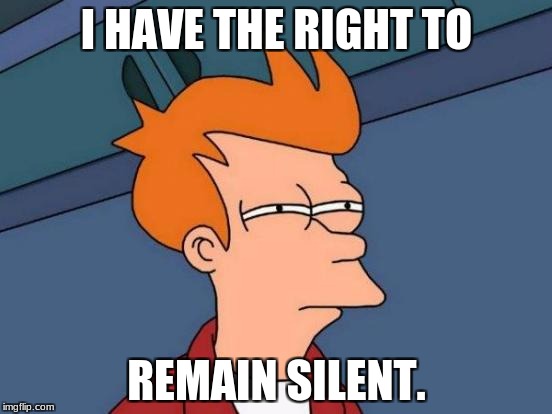
If the right to speak means anything it has to be paired with a right to remain silent – just like the right to practice a religion has to be paired with the right to practice none at all. The same is true of authors, musicians, painters, and any other creative person. I’d hope that’s something that, at the end of the day, we could all agree on.

What Comes Next?

Well, it’s been about a month since Heroes of the Empire dropped, so I figured it was time to get back at it. Here’s what’s coming up in my world to look forward to (or run away from!).

My first novel, Moore Hollow, was always intended to be a one-and-done affair.

However, I’ve had several readers ask about sequels, so I kept an open mind about returning to Ben Potter and his life if the opportunity presented itself. The opportunity came when I was revisiting an old National Novel Writing Month (NaNoWriMo) project about a West Virginia lawyer who got wrapped up in a case that touched on UFOs and shadowy Government conspiracies. I didn’t much care for how that story ended up, but I liked the character and thought it was good backstory.

I decided to take Ben and permanently relocate him to West Virginia. There he’ll dig into various paranormal events, some of which brush up against the legal system. When that happens, he and my old lawyer character will team up (or will they?). I think it’s got a lot of potential for some fun, independent stories that I can return to now and then.

The first of those is the so-far-cleverly-titled Untitled Moor Hollow Sequel. In spite of the useless title the book itself is pretty far along. I just completed a third draft and handed it to my lead beta reader. If all goes according to plan, I hope the book (complete with a title!) will come out early in 2024.

After that I’m going to focus on pulling together a new collection of short stories based on what I’ve written since The Last Ereph and Other Stories came out.

I’ve got a decent number of them, some very short, some already shared here, or published in anthologies here and there. It will include stories set both in the world of The Water Road and Moore Hollow (indeed, the sequel story to the untitled sequel is already written!). There may even be another story or two to round things out. Looking for a 2025 release date for that one.

But what of really new stuff? To be honest, I am chomping at the bit to dive into a new world with a bunch of new characters. The Unari Empire books have been my focus for several years so it’s time to turn my attention to one of those slight “ideas” that I’ve got laying around here and there. Plan is to have a new book ready to start writing for NaNoWriMo this year. What will it be about? Right now I have no fucking clue and that’s exhilarating.

Onward!

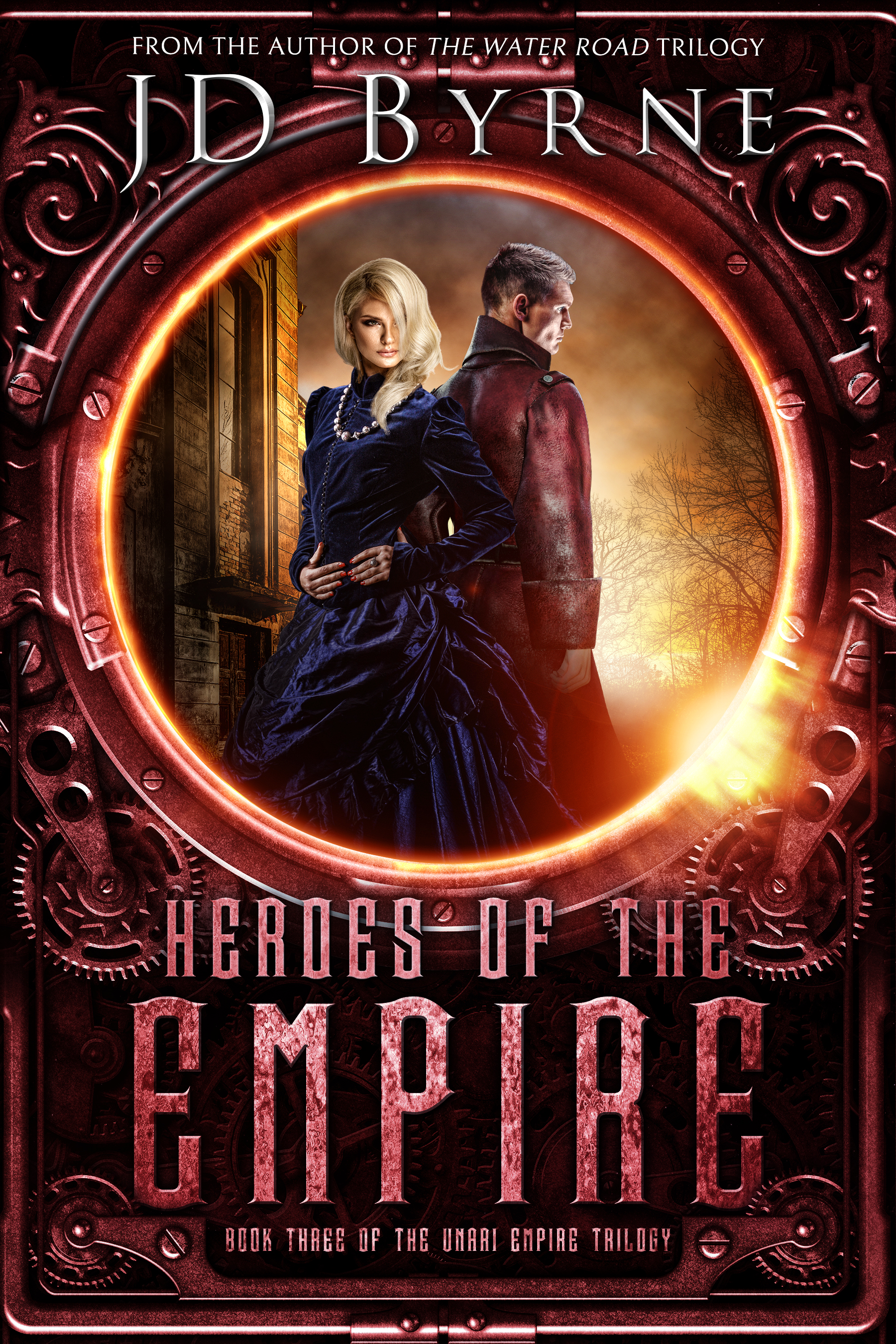
Coming June 7 – Heroes of the Empire

I’m very happy to announce that Heroes of the Empire, the final installment of the Unari Empire trilogy will release on June 7 on Kindle and other eBook formats and then in paperback shortly thereafter.

The world is falling apart around Aton Askins. His childhood friend is rotting in a cell for a crime she didn’t commit. There are soldiers in the streets of Cye and an army of angry widows waiting outside the city. His mystery employer might be using him to gather artifacts of the ancient gods to build some kind of weapon. Now he’s been given one last job, one last artifact to find, supposedly on a mythical floating island halfway around the world. He needs to stay in Cye to help his friend, but he needs to finish his work so he has the money to take his family away from the city. Most of all, he needs to keep those he loves safe from what’s coming.

The Widows Army is restless and may be slipping away from Belwyn of Annanais. Stuck outside of Cye, unsure of what to do next, she needs to do something, anything, to make sure the promise she made to these women to find answers about their loved ones doesn’t go unmet. When an unlikely ally presents himself, she uses the opportunity to enter the city and finally find the evidence she needs to show the world the truth of the Port Ambs bombing. All the while, the currents of protestors and revolutionaries are threatening to overtake her.

Lives collide and the fate of an empire hangs in the balance in this thrilling conclusion to the Unari Empire Trilogy.

Revisiting the Need to Change the World

A few years ago, off the back of reading N.K. Jemisin’s The City We Became, I wrote about whether stories that involve magic that are set in the “real world” need to have a meaningful impact on that world.

I had started thinking about that issue thanks to an observation by a legal blogger (of all people!) about Lev Grossman’s The Magicians, in which he concluded that:

it therefore strains credulity to believe that powerful sorcerers have been around for centuries, yet have never revealed themselves to normal humans, seized political power, or had any impact on history.

As I said in my post, I’ve wrestled with this in developing (or not) some of my own ideas. If the story is set in our world, but with magic, shouldn’t magic change things?

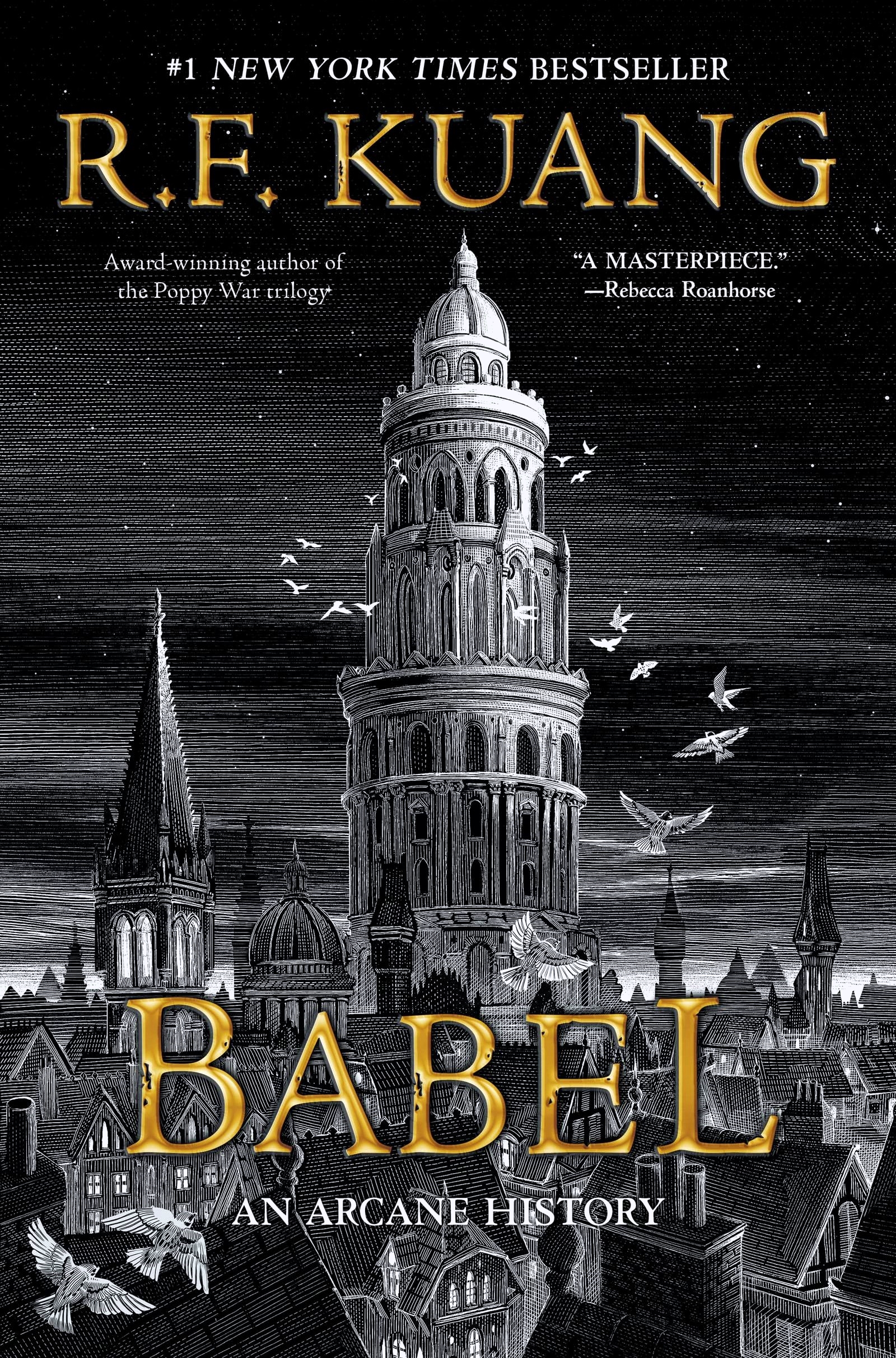
I was set to thinking about this again after reading R.F. Kuang’s Babel, which is up for a Hugo.

Babel is set in an alternate history version of England (for the most part) of the early Victorian era, just on the verge of the First Opium War in China. The main characters are training as “translators” at Oxford who practice a form of magic whereby they engrave pairs of words on silver bars that are then used to do particular things. Some of them are completely magical – there’s one that explodes someone’s heart, for example, and another that can heal the sick. Most of them, however, merely make things that already work do so more smoothly and efficiently – carriages travel more smoothly, gardens are more pleasurable, factories require fewer employees, etc.

For our purposes, what all this means is that the British Empire is precisely the same thing that it was in our real history – a globe-spanning colossus that exploited its colonial territories and other weaker, developing nations for fun and profit. There’s nothing about the world of Babel, in broad strokes, that is different from our world. Does that matter? Is it a flaw in Kuang’s world building?

At one time I would have said it was, or at least leaned that way, and you can certainly find reviewers on Goodreads who find that to be a major flaw. But I think what Kuang has done is use the fantasy element to crystalize the themes she wanted to talk about that are very real in our world and our history, namely colonialism and its legacy. In Babel the raw silver needed to fuel the magic works almost like spice does in Dune, a purely extractive industry conducted in a faraway place for the benefit of entrenched, moneyed interests back home. Sure, the actual silver trade did that, too, but the magical gloss heightens the inequity of it.

Could Babel have told the same story without the magic? A few specifics would have to change, but in general, sure it could have. It’s a book about a character who at first thinks he’s been plucked from a dead-end life to live a life of learning and privilege who slowly learns what that privilege is based upon and rebels against it. Magic isn’t required for that, but it doesn’t hurt, either. There’s also the possibility, of course, that what Kuang is saying is that whatever resource we’re talking about, including magic, was going to fall into the service of the most wealthy and powerful anyway, which is not wrong.

In my conclusion back in 2020 I suggested that writers are leaving some interesting ideas on the table by not playing out the impacts of their world’s fantastical things on the world as we know it. I still think that’s true, largely, but I’ve come to accept a caveat – that, sometimes, what you’re after isn’t a big world building “what if?” exercise and trying to do so would just take away from the story you’re trying to tell. As usual, the focus should be on what best serves the character and the story, not anybody else’s idea of how world building should be done.

When Copyright Kills

A couple of weeks ago John Oliver pointed out that the original version of Mickey Mouse is about to slip into the public domain and out of copyright control. Naturally, he has plans for this, but it’s worth remembering that the last time Steamboat Willie was in danger of passing out of copyright control Congress snapped into action and extended the term for copyright protection. I haven’t seen anything indicating they’re going to do it again, but I wouldn’t be surprised if the idea was at least floated (probably without success, given the current GOP jihad against Disney), particularly given what’s happened to poor Winnie-the-Pooh.

As a writer and musician I’m a fan of copyright. The basic idea is that allowing the producers of art to have a monopoly on its sale and distribution incentivizes the creation of more art. But there’s always been a question of how much copyright is too much and when works should move into the public domain and be free for adaptation by others. The Copyright Act of 1790 established a 14-year copyright term, renewable for another 14 years, but those terms were doubled in the 19th century. Then between 1976 and 1998 (when The Mouse roared) terms ballooned to the current life of the author plus 70 years or 120 years if a it was created by a corporation. So in the brief life of the United States we’ve gone from copyright that expired while the creator was not only still living but probably still creating to a term that runs for decades.

Weird things happen when copyright terms run so long that they outstrip the lives of the work’s creators. Recently there’s been controversy about changes to books by the likes of Roald Dahl and Agatha Christie to better reflect modern sensibilities (I talked a bit about the issue here). What’s interesting is that both authors made such changes in their lifetimes, presumably without much fuss. What makes it seem wrong now is that it’s not the authors making the changes but their current copyright holders, who didn’t create a thing. Without lengthy copyright terms that extend beyond the lives of those authors this wouldn’t be an issue – anybody who wanted to could publish the original versions or whatever bowdlerized versions they wanted.

Thanks to this in-depth video, I recently learned about another problematic case of long-term copyright. Remember “Down Under,” by Men at Work? Particularly the flute riff that repeats several times during the song? 

Released in 1981 it was a huge international hit, hitting number one in the US and UK. It wasn’t until 2007 when a TV quiz show noticed that part of the flute part matches almost perfectly the melody of “Kookaburra Sits in the Old Gumtree,” a popular Australian song. After the show aired, people called the company that held the copyright to “Kookaburra” about the similarities, resulting in a lawsuit against Men at Work and their record company for infringement. The company won, a result which Colin Hay has suggested helped speed flautist Greg Ham’s depression and death (Ham played the famous riff, but wasn’t actually one of the listed songwriters).

What makes the “Down Under” story so concerning is that this wasn’t a situation of the writer of “Kookaburra” herself, or even her descendants, making the claim, it was a company that bought the rights at auction after her death. It was purely a commercial maneuver and could not have contributed in any way to encouraging the writer to create more art (her being dead, after all). And while the riff has become fairly iconic, it’s hardly essential to the song, providing a little bit of extra flavor in the arrangement.

Questions on the persistence of copyright always bring me back to Spider Robinson’s Hugo-award winning story “Melancholy Elephants.” It’s that rarest of beasts, a sci-fi story about the law. In this case, it’s about a proposed law that would extend copyrights indefinitely, and the widow of a famous composer beseeches a legislator to not pass the bill – even though it would financially benefit her. She makes the point that there are only so many combinations of notes, rhythms and such out there (echolyn’s “Suite for the Everyman” covers this with sections titled “Only Twelve” and “Twelve’s Enough,” respectively) and if they’re all placed off limits for future composers people will eventually stop making new music.

The same is true for stories, whether they’re written in books or told on screens. New writers often worry about sharing ideas for stories, unaware that pretty much no “idea” is new. What makes a story worth writing is what you want to say with it, not what others have already said. Not only has Romeo and Juliet given birth to adaptations as diverse as West Side Story, a ballet, and a Dire Straits song (which produced its own amazing Indigo Girls cover!) – it was based on a history of similar stories dating back centuries. The idea of Romeo and Juliet was not new – Shakespeare’s presentation of it was.

It was Picasso who said “good artists borrow, great artists steal” – and even that wasn’t an original thought. That’s probably a bit flippant, but the core of it is true. Every creative person is the sum of their influences, the things they’ve read, heard, or seen. Placing those things eternally off limits will do more to stifle that kind of creativity than it will to encourage creators to create in the first place. Killing off creative endeavors altogether is probably too high a price to pay for some author’s grandchildren being able to live of their book sales.

As in nearly all things, balance is key. It’s just that I’m not sure we’re particularly well balanced at the moment.

There Be Dragons! Lots of ‘Em!

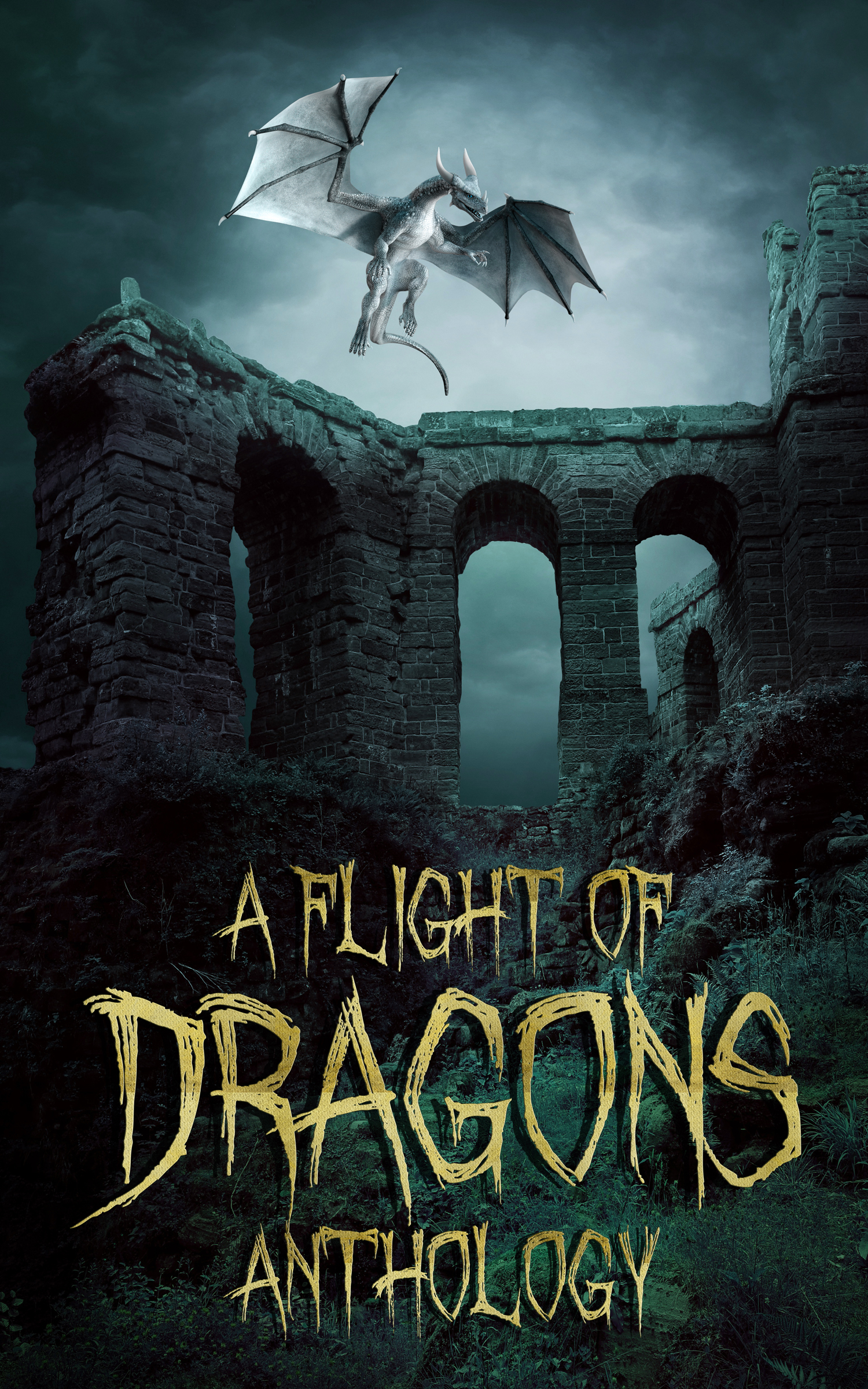
Sure you do! I’m happy to announce that my short story, “The Dragon of the Bailey,” is one of two dozen stories collected in a new anthology, A Flight of Dragons.

You can get your version in either Kindle or paperback.

“The Dragon of the Bailey” was inspired by the ravens at the Tower of London. Legend says that if the ravens leave the tower either the monarchy or the nation will fall. So, naturally, the clip the ravens’ wings! Ideas really can come from anywhere.

But What Is a Happy Ending?

As the Tears for Fears song goes, everybody loves a happy ending. That said, what makes an ending a happy one? Does that depend on the person doing the reading or watching? And does it matter whether we’re looking at a more meta or personal level?

I stumbled into these questions recently after finishing Paul Tremblay’s The Cabin at the End of the World, which became the movie Knock at the Cabin, directed by M. Night Shyamalan and released last year. It was the movie promos that made me want to read the book (I’ve not had good luck with Shaymalan’s movies over the years) so I was always interested in how the adaptation went. The endings of the book and movie differ quite a bit and raise some interesting questions about what constitutes a “happy” ending.

Needless to say, the post from here on out is going to be spoiler heavy, so if you don’t want to know about any of this, head away now.

The plot of the book and film are pretty close, until a certain point. They both start with a young girl playing outside a remote country cabin where she and her two fathers are on vacation. She’s approached by a large, friendly guy who winds up having three friends with him. He gives the family a startling ultimatum – the end of the world is upon us and the only way to stop it is for one of the family members to be sacrificed. It’s sort of a horror/mythical take on Sophie’s Choice.

Naturally, the family refuses to kill one of their own and the tension ramps up from there. The interlopers start to kill each other and there’s some evidence from the outside world (via TV) that maybe it really is the end of days. Tragedies are happening and the big dude in charge may or may not know of them in advance. In the book, at least (I haven’t seen the movie yet), it’s left very vague whether the intruders are religious fanatics, simply nuts (but I repeat myself), or are really telling the truth.

Here’s where things part ways, significantly, between book and movie. In the book there is a struggle over a gun that leaves the little girl dead. Eventually the dads escape (all the intruders die) and they confront the question of sacrificing one of themselves just in case the world is really ending (one is now more of a believer than the other). Ultimately they decide not to, essentially concluding that any kind of God that would require such a thing isn’t worth obeying, and they walk off into a brewing storm that may or may not just be a storm. In the movie, by contrast, the girl is not shot and one of the dads decides to sacrifice himself to save the world on her behalf. The girl and her remaining father leave and find evidence that the sacrifice really is stopping the world from ending.

Per this interview with the LA Times (via), Tremblay explains that while he generally likes the movie, he prefers his ending to Shaymalan’s. No big surprise there. Endings are hard and if you get what you think is a good one you’re kind of protective of it. But what really interested me was Tremblay’s explanation as to why:

I think the movie’s ending is way darker than my book. I don’t mean to say this flippantly. But politics aside, on a character level, the idea of, “What are Andrew and Wen going to do now”? Not only did they just kill Eric – how will they go on with that knowledge – but also with the knowledge that this supreme being that controls the universe was so unremittingly cruel to them? I would never write a sequel . . . but I’m actually weirdly interested in a story of what Wen and Andrew do now.

He further explains:

at a certain point in telling the story it didn’t matter to me if the apocalypse was happening because the story to me became, “What were Eric and Andrew going to choose?”

That was the story: their choice. Their ultimate rejection of fear and cruelty, whether or not the apocalypse is happening. What has happened in the cabin and what they’re presented with is wrong; it’s immoral, and they refuse. And I find that hopeful . . ..

This is weird on its face. The movie ending is clearly the happier one, right? The little girl lives. While one of her dads decides to sacrifice himself (which is honestly where I thought the book was going) at least we know it wasn’t in vain and it really did save the world. For a story full of psychological terror that seems like the best possible outcome.

But I think that framing depends on whether you look at the story from a personal or meta level. On a meta level this story is the trolley problem on steroids. Forget five strangers on the tracks versus one, we’re talking about survival of life on Earth – billions of people – against the life of one person who is, to you, particularly beloved. By pure utilitarian calculus this is a fairly easy call (the needs of the many, as Spock would say). Of course, that presumed that the apocalypse is really happening and the requested sacrifice could really stop it.

A similar dilemma animated the season finale of The Last of Us (and the end of the game, so far as I’ve read), in which Joel was faced with Ellie being operated on in a way that would kill her but that might lead to a cure for the pandemic that was ravaging humanity. Rather than give it much thought, he broke very bad (badder than before, at any rate) and killed anyone who got between he and Ellie. He saved her, thus potentially condemning the rest of the people on the planet.

Is that a happy ending? It sure is for Joel, who doesn’t have to go through the trauma of losing (in essence) another daughter. Is it for Ellie? Hard to tell, since she didn’t really get much choice in the matter (either way). Is it for humanity? If it was going to lead to a cure, fuck no, but if it wasn’t?

My point isn’t to take sides (although I have my preferences, like anybody), but to point out that any on person’s conception of a “happy” ending might not match someone else’s. In a way, that’s a great thing for writers. Endings are hard and the knowledge that people can interpret a particular ending so differently means it’s folly to try and please people. But in another, it means more to think about when trying to shoot for a happy ending.

As always, the best course is to think hard about what you’re going to do and why you want to do it. That way at least you’ll have a satisfactory conclusion to the story you want to tell.