After a week off to craft a spooky story for the NYC Midnight Short Story Competition, it’s time for the final installment of my look back at the year just past and highlight some of my favorite, or just most interesting, media I consumed (not necessarily new, but new to me). It’s time to talk about some movies . . .
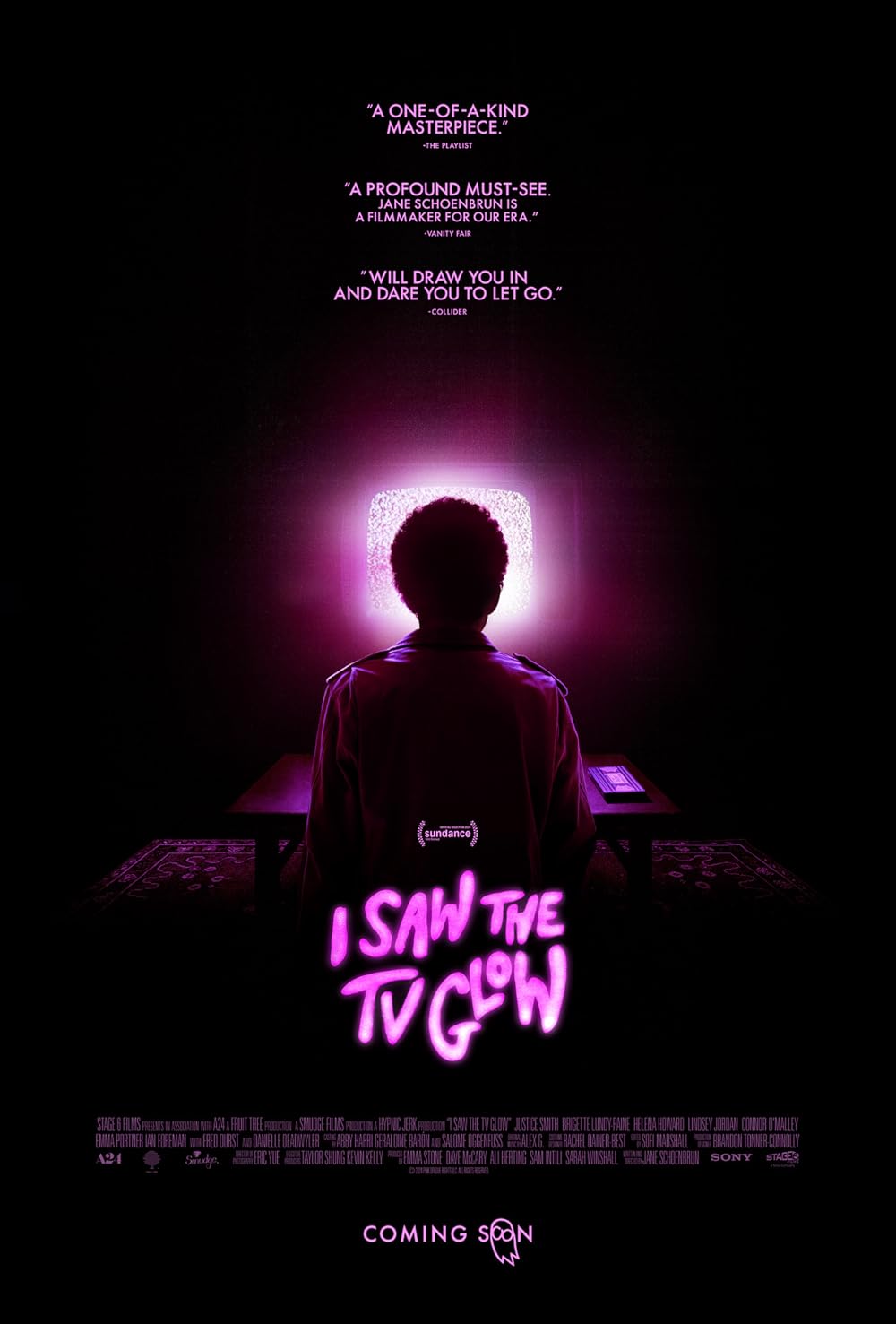
I Saw the TV Glow (2024)
You remember that episode of The Pink Opaque where . . .. No, of course you don’t, but if you’re any kind of genre fan, you’ve started a conversation that way about Babylon 5 or Buffy or whatever. This movie taps into that shared obsession, with two characters bonding over their love of the fictional The Pink Opaque (long ago in the past where a printed episode guide plays a role). What spools out though goes far beyond a TV show to deal with issues of self, identity, and shared experiences. It also has some scenes that completely freaked me out in the best way (including a superlong monologue that shouldn’t work, but really does). Do I understand it on all the levels other people do? Almost certainly not. Still one of the best things I’ve seen in a long time.
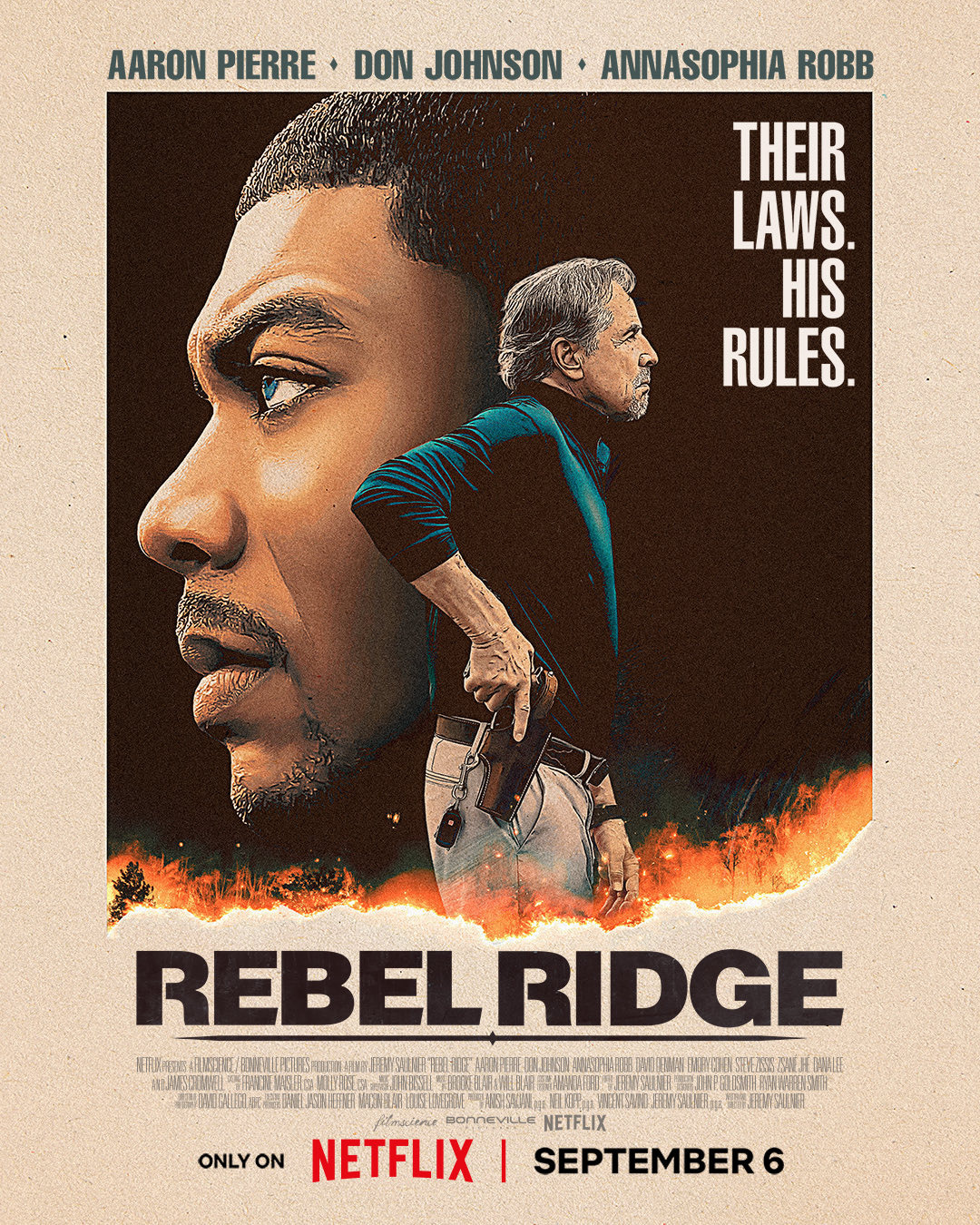
Rebel Ridge (2024)
“Semi-action movie about civil asset forfeiture” is a hell of an elevator pitch. It’s down to stars Aaron Pierre and Don Johnson (you heard right) that it works so well. Pierre plays a man who comes to a small Alabama town to pay his brother’s bond – in cash. It’s seized by the cops who classify it as drug proceeds. This is a real thing. The frustrations Pierre experiences pretty well match reality, before things get thrillier the closer to the end we get. There’s some violence, but it’s doled out well and this isn’t a pure-bred action movie. Stay away if you just want to see Pierre kick ass; watch it if you want a pretty clever interrogation of a problematic practice that, somehow, manages to even make the cops pretty well rounded in the end.
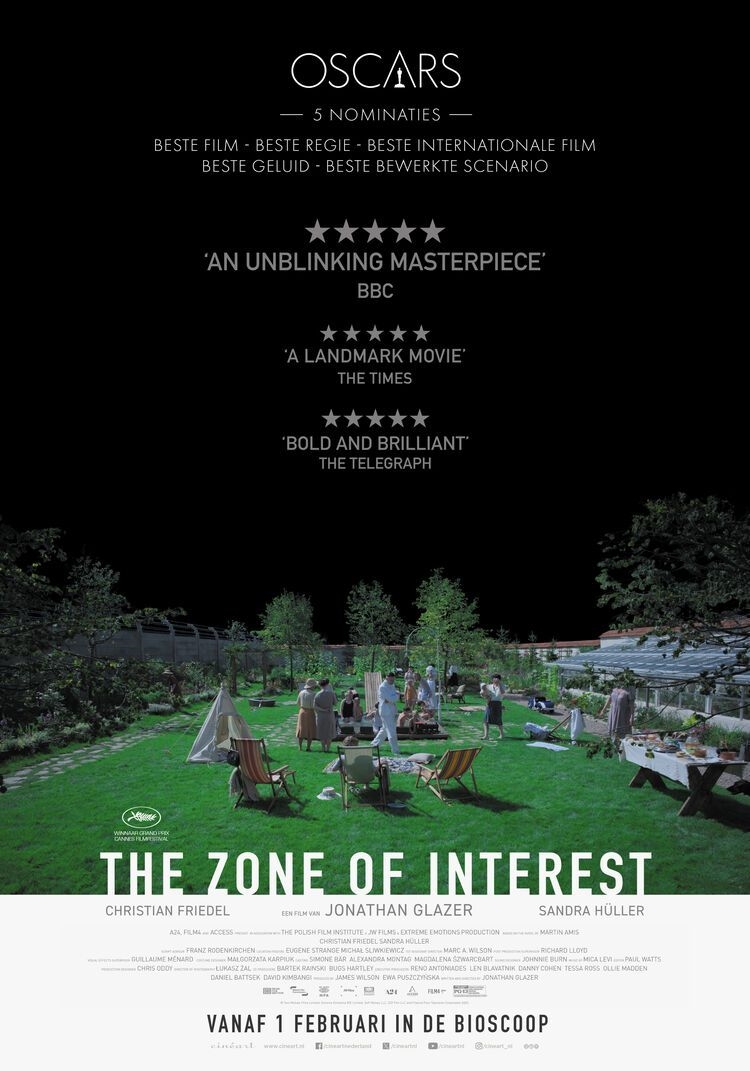
The Zone of Interest (2023)
It’s hard to imagine a more somber, only-watch-it-once kind of film. A slice of life about a German family who happen to live across the wall from Auschwitz (in the titular “zone of interest”). Dad’s the commandant. The bold choice of director Jonathan Glazer is that what goes on over the wall is never directly shown, but the sound designed is punctuated with sounds of terror and cruelty that make it unmistakable. What does it say about the commandant and family that this appears to be their dream home? Nothing good, of course. A harrowing watch, but worth it one time.
Blow Out (1981)
If you ever wanted a movie that showed you how people had to edit sound recordings in the pre-digital era, this is it. John Travolta plays a sound guy for low-budget horror films who, while out one night trying to get some good sounds, accidentally records the murder of a sitting governor and presidential hopeful in a car crash. There’s a damsel in distress and a lot of leg work that goes into putting together the pieces, all of which zings with energy and down-to-earth competence. That Travolta winds up right where he started just makes it all the more perfect.
Anatomy of a Fall (2023)
I’m a sucker for a courtroom drama – so how about one set in a courtroom that is so foreign to my common-law system experience that it was like science fiction? I mean, that’s not the only great thing about this movie, a clever did-she-do-it (there’s no doubt it was either her or an accident) that spends just as much time in the home where the death happens as it does in the French courtroom. Some of it – particularly the round-table out-of-sequence questioning of the defendant – is so odd that I had to do some reading afterwards to see how realistic it was (pretty accurate, within the bounds of dramatic license, or so I read). Did she do it? I’m not sure anybody knows (the lead actress, if I recall correctly, said she didn’t know!).
I continue my look back at the year just past and highlight some of my favorite, or just most interesting, media I consumed (not necessarily new, but new to me). This week let’s watch some TV . . .
Mrs. Davis (2023)
I can only imagine that the brainstorming sessions for this show must have included some mind altering substances. A nun scours the globe, with the help of various other colorful characters, in order to fight an out of control AI that might be taking over the world. Should this work in any way shape or form? No. Does it? Amazingly, yes. It’s funny, thrilling, compelling, and hits you in the feels. In a world overrun with IP-driven reboots and rethinks we need more Mrs. Davises.
Shogun (2024)
Not an original thought, I know – this once-limited series has been praised to the hilt since it premiered. Pleasantly, it completely lived up to the hype. Having no familiarity with either the original novel or miniseries (I’m not that old) I can’t say how it compares to those sources, but as a stand-alone piece of work it was brilliant. Was the ending kind of a cop out? In a way, but isn’t that what life’s like sometimes? Besides, there’s a second season coming to stir things back up!
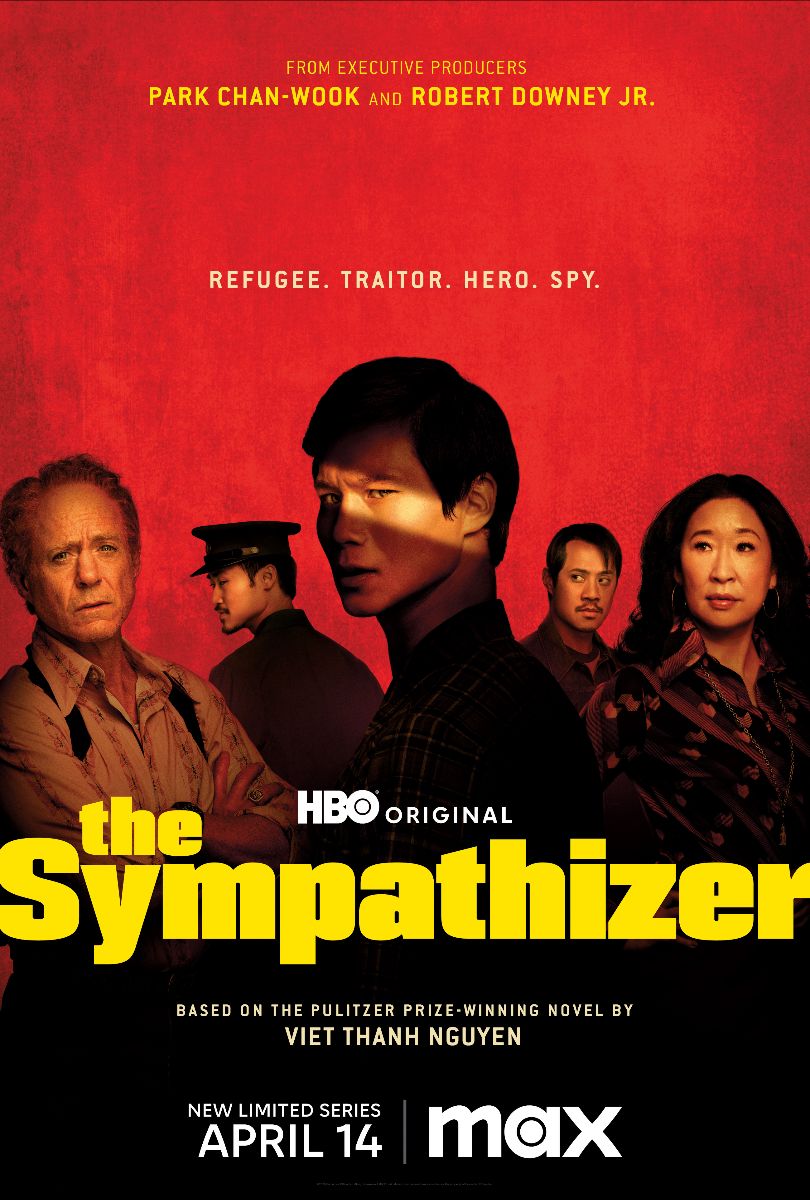
The Sympathizer (2024)
This is another show that probably shouldn’t have worked as well as it did. The titular character is a North Vietnamese spy who infiltrates the office of a South Vietnamese general so thoroughly that when the general flees to the United States the spy goes along. What follows is a twisting examination of being and identity, punctuated with a lot of black humor. There’s a movie within the show that sends up Hollywood and Robert Downey, Jr. shows up in multiple roles. It doesn’t all work all the time, but, as with Mrs. Davis, this is more of the odd kind of storytelling TV needs.
Say Nothing (2024)
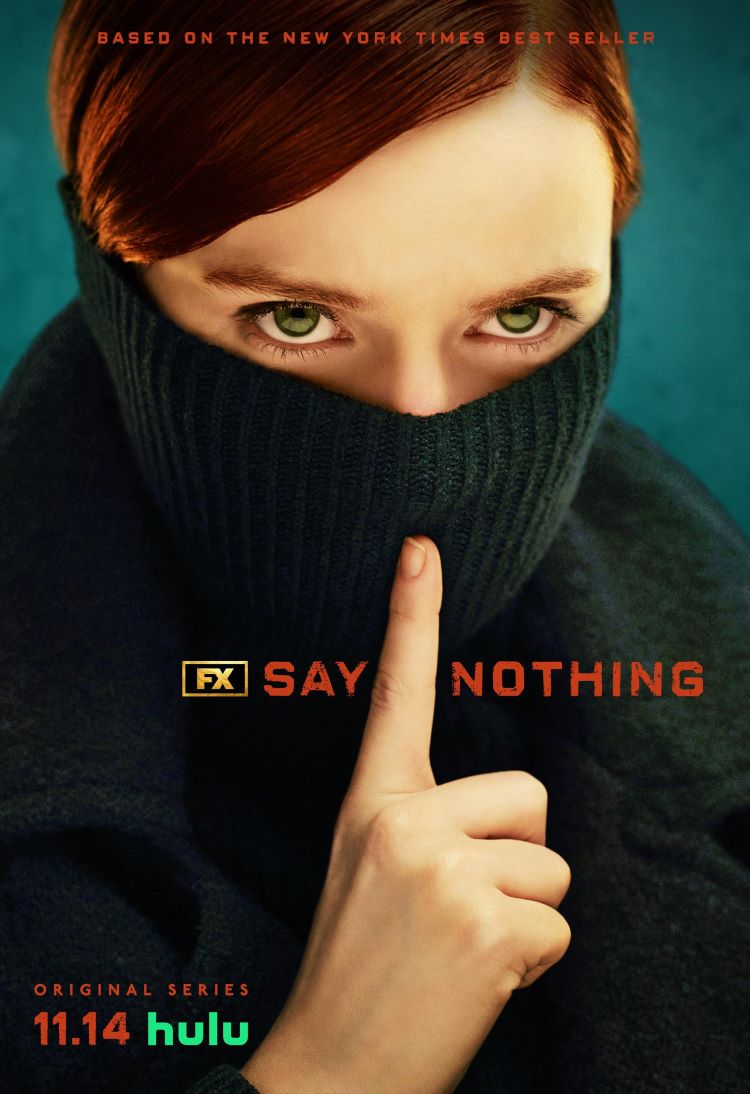
Say Nothing is one of the best books I’ve ever read (as I’ve noted before). When I heard at TV adaptation was in the works I was skeptical that they’d be able to pull off the same trick of telling some very relatable, personal stories about people involved in The Troubles while also providing enough high-altitude context to explore the wider conflict. The show, of course, doesn’t quite do that quite as well, but by paring things down a bit the story told wound up very powerful. The series performs a neat sleight of hand by setting the first few episodes as kinetic pieces of lawlessness and violence done for the cause and then pivoting to explore the long-term consequences of participating in those things. Excellent on its own, even better if it makes you want to read the book afterwards.
We Are Ladyparts (2021, 2024)
It’s a great elevator pitch – a series about a group of young Muslim women in Brittain (of Pakistani background) who form a punk band. Could be a heavy, maudlin examination of the struggle of outsiders in the modern UK, right? Or, it could be a very funny show with deep-down laughs and fun songs that also manages to dig into themes of belonging and identity. I was completely captivated, in spite of a couple of music-related nitpicks (the music isn’t really punk, even if the attitude is, and their plan for success sounds more out of the 1980s than 2020s). Hoping for more!
The Life of Rock with Brian Pern (2014) – Brian Pern: A Life in Rock (2014) – Brian Pern: 45 Years of Prog and Roll (2016) – A Tribute – At the BBC (2017)
While watching stuff I frequently hop over to IMDB to figure out why a familiar face looks so familiar. I don’t know what we were watching or who I was looking up, but one of their prior works was Brian Pern: 45 Years of Prog and Roll – needless to say, it piqued my interest. Brian Pern is a parodic version of Peter Gabriel – lead vocalist of a prog-rock band called Thotch in the 1970s who went on to a genre-defining solo career (he frequently states that he invented world music). Across three short seasons (three episodes each, plus a couple of later specials), Pern first chronicles the history of rock and roll then navigates his own failing career, which ends in a botched Thotch reunion and death in an unfortunate Segway accident. There’s a lot of very funny stuff over the seasons (which includes appearances from the likes of Rick Wakeman and Gabriel himself), but the first is the best. If you’re a fan of prog at all, or much mockumentaries, you owe it to yourself to track it down online.
I continue my look back at the year just past and highlight some of my favorite, or just most interesting, media I consumed (not necessarily new, but new to me). This week, let’s talk music and podcasts . . .
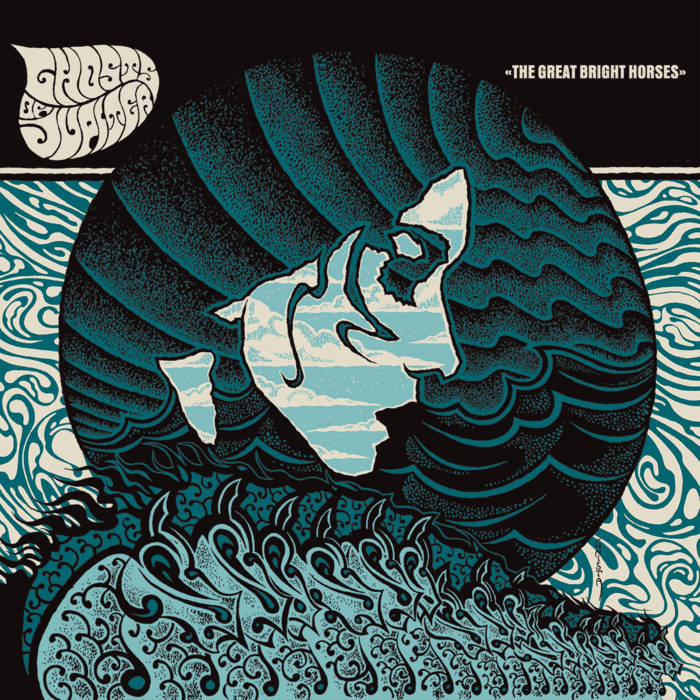
Zopp is manifesting itself into a real band (they’ve played live), but this, their second album, is still primarily the work of Rya Stevenson, who plays just about everything except drums and horns. At the forefront of the nouveau-Canterbury sound is fuzzed out organ, of course, along with lots of other tasty keyboards. New for this album are a couple of tunes with vocals. Stevenson’s not a powerhouse vocalist, but his laid back, low drama delivery is in step with his Canterbury predecessors. If you thought nobody made music like Egg or Caravan these days, you’re in for a treat!
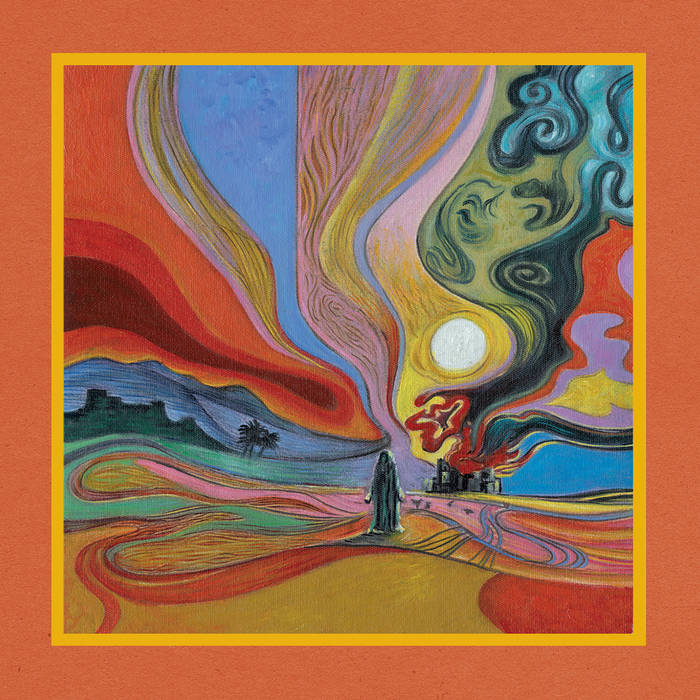
A fine collection of neo-psychedelia that often feels like Traffic run through some kind of chemically-induced dream state. A lot of the palate is organic – acoustic guitar, flute, piano – which makes the soaring, sinewy guitar parts stand out all the more. You don’t need a drink (or something else) to dig this, but it probably wouldn’t hurt. Beautiful cover, too.
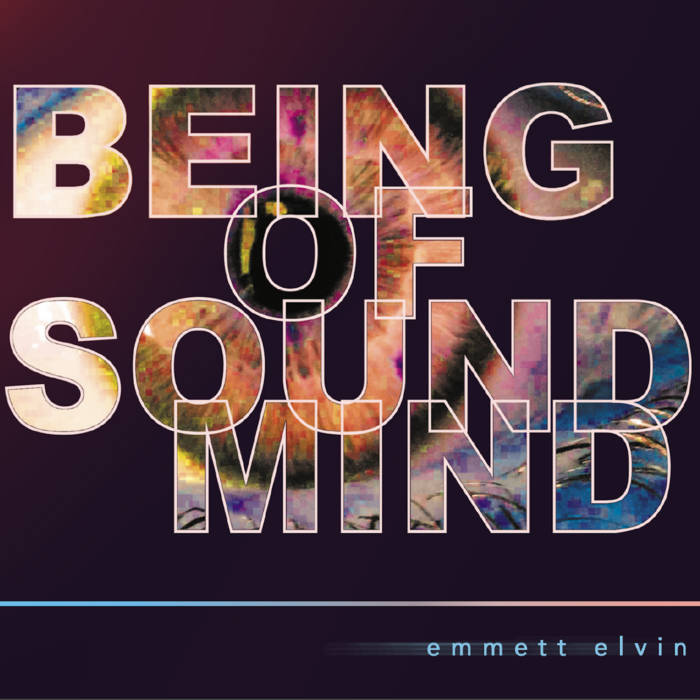
I knew Elvin from his work with Knifeworld and Guapo, but was completely unprepared for the funhouse experience that this solo album was. Kicking off with some serious Zappa vibes, the songs bounce from genre to genre without any apparent rhyme or reason, but it all works. Menacing and playful, dissonant and melodic in equal measure. There’s even the catchy “Artificial Guitar” than you can kind of sing along with! Far and away my favorite new thing I heard last year.
I liked St. Vincent’s detour into 70s-inspired sleaze, Daddy’s Home, more than most, but I admit it felt a little slight and lacked the edge of some of her earlier work. No worries here, as the darkness and general oppressiveness is back. The soundscapes are equally lush but feel smothering rather than intoxicating, with an electronic glaze to them. Compelling, yet disturbing, kind of like 2024.
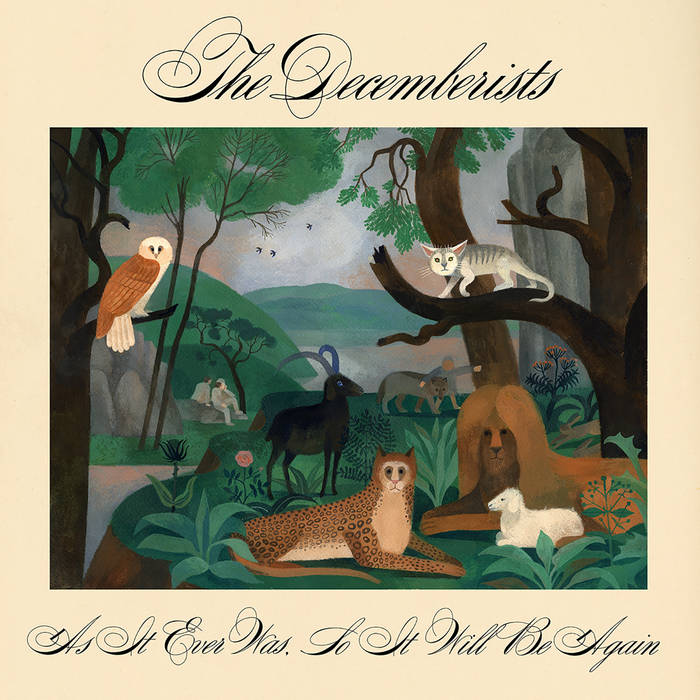
With a title like As It Ever Was, So It Will Be Again it was clear that this album would be a return to “normal” for The Decemberists (again, I liked their last album more than most). I perhaps bought into that so much that when I first got this album I thought it was very nice, but kind of “Decemberists by numbers,” without a lot of standout material. My opinion changed over the year and it really grew on me. There are several great songs (“Burial Ground,” “Long White Veil,” “Don’t Go to the Woods”) without even mentioning the closing epic, “Joan In the Garden” that managed to channel “Echoes” in spots. It’s no shame to revert to form when the form is so damned good, right?
One of the great joys of last year was that, at long last, Homicide: Life on the Street appeared on a streaming service. Not only that, the clamor of that release even interested my wife in watching it, so we burned through the entire series over the fall (more thoughts on that from me sometime later). This podcast, hosted by Kyle Secor (Bayliss during the series) and Reed Diamond (Kellerman), bills itself as a rewatch podcast, but that mostly just serves as a frame for them to bring in various people associated with the show to talk about how the sausage got made. Guests have already included David Simon and Tom Fontana and I’m not sure how long it can make it into the series this way, but if you’re a fan of the show it’s a must listen. And it’s a lot of fun (I love the musical bumpers for various segments they’ve done).
A really good podcast about movies with a pretty misleading name. You’d think it was all about doomed productions and flops, but in actuality it’s more of an examination of how things change in movie projects from inception to production. In other words, it’s a recognition that things go wrong, but ultimately can still produce a good movie. The one on Star Wars (I’m old, I don’t do episode numbers) was particularly good.
My general rule of podcasts is that you need at least two people for it to work right. It’s not just because having someone else to bounce facts and opinions off of is often more entertaining, it’s because one person droning on tends to lead down rabbit hole and not make for compelling listen. Dark Histories is the exception to the rule, as it’s merely Ben and a microphone, but you can tell that he’s put great effort into putting together an actual script to tell particular stories in a satisfying way (with just a hint of sound design in the background). As the title suggests, the focus is on weird, odd, or terrifying stories of the past, things that might get overlooked in general. Fascinating and very well done.
Over the weekend my alma mater’s football regular season ended in a pretty humiliating 52-15 ass whoopin’ at the hands of the Texas Tech Red Raiders. “Regular season,” of course, because in the modern era a team that struggles to 6-6 still gets to go to a bowl game nobody’s ever heard of before, so there’s still the chance to finish the season with a losing record! The nature of the defeat led to the firing of head coach Neal Brown, who leaves with a middling 37-35 record over six years.
Six years ago, nearly to the day, I wrote a piece examining the WVU football program and making the “sobering, but fairly obvious, conclusion” that we are “only a mediocre football program.” In that post I characterized the acceptance of mediocrity as “heartbreak,” but over the ensuing years I’ve come to view it differently – it’s really more liberating than heartbreaking.
The shift of perspective came not so much from WVU football, but from following the US Men’s National Team during those six years. 2018, of course, marked the World Cup in Russia for which we did not qualify, the first time in decades we’d been absent from soccer’s biggest stage. The time since has been an interesting experience when it comes to fandom.
On the one hand, these have been halcyon days for the USMNT. More American players than ever ply their trade at top European clubs. Hell, Christian Pulisic played a regular role for a Chelsea team that won the Champion’s League in 2021 and is currently tearing it up for AC Milan. And the team, as a whole, rebounded. We qualified for the 2022 World Cup and have reestablished the US as the dominant player in our region, winning all three editions of the new CONCACAF Nations League over old rivals (Mexico) and new (Canada).
On the other, we kind of appear to have found our ceiling and it’s not elite. In the World Cup we did about as well as we ever do, making it out of the group stage and losing in the first knockout round. And while being kings of CONCACAF is better than the alternative, the truth is our region is one of the weakest and coming out on top here isn’t saying a whole lot.
Where does that leave the USMNT? About where we’ve been over the past few decades. Our current FIFA ranking (for what those are worth) is 16, which is not bad when you consider there are 210 members of FIFA. A solid top-20 program is nothing to scoff at, but it’s hardly exceptional. We’d not be favorites to win any major tournament outside our own region and haven’t had a signature win against a European or South American power for a long while.
Overall, it’s hard to conclude that, in global terms, the USMNT is fundamentally mediocre.
Capable of big results, sure, but also frequently struggling to defeat Central American nations with a fraction of the population, too. We are entirely capable of making a deep run in the World Cup we co-host in 2026, but it will be a great story precisely because it would involve some upsets.
And I’m OK with that. I’ve come to terms with the fact that we will never be Brazil or France or Argentina or Germany (seriously, only eight countries have ever won the World Cup!). At best, in the right circumstances – a particular group of skilled and experienced players, a coach who can maximize all that, a favorable draw, etc. – we can make a good run and maybe even win the thing, if we get lucky. You know? That’ll be way more fun, anyway, than constantly worrying if we’re falling short of a goal we can never achieve in the first place.
I should, at this point, assure readers that I’m not arguing in favor of giving over to mediocrity in every part of your life. When it comes to your work, your family, and other important things you should always try to be the best version of yourself you can be. I’m talking about interacting with stuff that is, fundamentally, beyond your control. I have absolutely no control over whether WVU wins their bowl game or whether the USMNT wins another Nations League title next spring.
But when it comes to sports, it’s a pretty good deal. Particularly for things like colleges and national teams that, maybe, you can’t just up and dump for better teams, tamping down expectations means that when they win it’s great and when they don’t, eh, it’s no big deal. Sport is a diversion, right? It’s supposed to be fun? For all the talk hard-core fans of INSERT TEAM HERE make about how difficult it is to be a fan, if you really aren’t enjoying it then get another hobby – life’s too damned short.
So, come with me, friends. Embrace the almost certain mediocrity of your favorite teams. Wins will mean more, losses won’t hurt. Return sport to the proper place in your life!
The Major League Soccer regular season wraps up on the other side of this current international break. Every team but one will be in action on “decision day,” as the final playoff spots are booked and seedings secured. DC United are still alive for playoff berth (it’s been a few years), so I’m fairly excited.
With the regular season winding up, that means there’s talk about end-of-season awards, including who should be named Most Valuable Player. An early favorite for that award at the start of the season would have been Lionel Messi, who was expected the lead Inter Miami CF to the Supporters’ Shield (awarded to the team with the best regular season record), top playoff seed and, eventually, MLS Cup. But a funny thing happened on the way to that Supporters’ Shield, which the club wrapped up a couple of weeks ago – Miami proved that maybe they didn’t really need Messi that much after all.
Before we go any further, I’m not here to rip on Messi’s talent or career. He’s an amazing player, easily in the running for GOAT status when it comes to soccer, and I’ve enjoyed watching him play even though he’s never played for any of my teams. I’m just talking about whether, in this particular season, Messi deserves the title of MLS MVP.
Let’s get the numbers (all sourced from FotMob) out of the way – going into the final weekend of play Messi has scored 17 goals and dished out 10 assists in only 18 games. That’s an insane rate of production, down to a combination of Messi’s freakish talent and MLS not exactly being the most competitive league in the world. For context, DC United’s Christian Benteke, who leads the league in goals scored, has 23 in 29 games (with 5 assists to boot), while assist leader Luciano Acosta (of FC Cincinnati – and formerly DC United!) has 16 assists and 14 goals in 31 games. If it was just a matter of per-game production, Messi is the easy choice.
But that’s not the award. There are purely stat-based awards for scorers and assisters and such. One could argue that those should be based on something other than raw numbers (goals per 90 minutes played, or something), but that’s a debate for another day. Other leagues award the best player. The crux of the biscuit when it comes to MVP awards, however, is the word in the middle – “valuable.” What does it mean to be the most “valuable” player on a particular team, much less in the league?
By one measure Messi would clearly be the most valuable player in MLS, given the eyeballs and money he’s brought to the league. Messi isn’t the league’s first big signing (his owner/operator at Miami, David Beckham, literally changed the way MLS operated when he came to the Galaxy in 2007), but there’s no denying he’s had a huge impact on the league’s profile globally. Haters may call it a “retirement league,” but if the retirees are the best who ever played the game does anybody really care?
Of course, that’s not what “valuable” really means in this context. It has to do with on the field performance, what a player means to the success of his team. That said, it’s not purely about who has the most talent or who had the gaudiest stats. Therein lies the problem with Messi being MVP, at least this year.
The 2024 MLS season was semi-interrupted by Copa America, with the nominally South American championship being held in the United States. Messi, of course, played for Argentina in that tournament. His last MLS match prior to the tournament was a 3-3 draw with St. Louis City on June 1. At the time, 18 games into the season, Miami was in first place in the Eastern Conference and overall with 35 points, 2 points clear of Cincy.
While Copa America was going on, Miami played 5 MLS games (the league doesn’t actually stop for these big tournaments, which makes it look pretty amateur, honestly), of which it won 4. The only blemish was a 6-1 drubbing by Cincinnati. In spite of that, Miami slipped behind Cincy by a point at the top of the table. Maybe Messi’s absence was a big deal?
Here’s the thing – Messi was injured during Copa America and didn’t play again for Miami until September 14. In the interim, Miami played 4 more league games (we’ll leave to one side the Leagues Cup), all of which they won, including a 2-0 win over their Cincy nemesis. As a result, when Messi came back, Miami was right where they were when he left for Copa America – at the top of the table and 8 points clear of Cincy.
In other words, while Messi was away for either international duty or due to injury, Miami played 9 league games, won all but one of them, and were in the same place in the table as when Messi left, but even more secure in that perch. Given that, how can it be said that Messi was the “most valuable” member of that team? Sure, the other big name players that have flocked to Miami over the past few years – Jori Alba, Luis Suarez – are largely there because of Messi, but evidence suggests if Messi had simply vanished from the face of the Earth during preseason Miami would have been just fine.
Who is the most “valuable” player from MLS this season? I can’t say, as I haven’t seen many games outside of DC United’s and I’m biased towards Benteke because of that. But I am fairly certain it’s not Messi, at least not this year. Best player in the league? Almost certainly. The most valuable on a team that barely noted his absence? Certainly not.
A few years ago I did a post about what I called “minor” epics – songs that sprawled past 10 minutes, but wouldn’t have taken up an entire album side back in the good ole’ days. I decided that it was about time to address to “real” epics, of the kind that progressive rock loosed upon the world around the time I was born. Rather than pick a certain number, I decided I’d highlight my favorite epic from each decade. Some decisions were harder than others, believe me!
But first, some ground rules. By “epic” here I mean a song that would have typically taken up one side of vinyl (or nearly so), so longer than 15 minutes. I’m not including entire albums that are only one song (think Jethro Tull’s Thick as a Brick or echolyn’s mei) or albums with sides that flow easily from song to song, where those are still separate songs (e.g., Marillion’s Misplaced Childhood, side two of Abbey Road by The Beatles, etc.). Also, I’m excluding from consideration electronic and post-rock artists who tend to work on this kind of scale, simply because their epics don’t hit me the same way (even though I love some of them). Finally, as with any list like this, it’s completely subjective and highly personal – I can only opine on stuff I’ve actually heard.
Let’s go!
The 2020s – “Celebrity” (2020)
The current decade is fairly light in terms of epics. Partly that’s due to it only being half over, but I also suspect that it’s also partly due to the whole “side long” thing not meaning as much when most music is consumed in ways that don’t involve “sides” at all. So it really came down to a choice between two, the first of which is from the most recent album by The Decemberists, As It Ever Was, So It Will Ever Be. “Joan in the Garden” is a proper wild epic, complete with sections that hint back to something like “Echoes” more than the folky art pop they’re more known for. It’s really good, but it’s not my favorite from this decade.
That honor goes to “Celebrity” by I am the Manic Whale, from their 2020 album Things Unseen.
The song manages to do something I thought impossible – honoring folks who do well in those ubiquitous TV talent shows while gleefully skewering those who think they’ll just show up and (to paraphrase one lyric) “give it their heart and soul.” So, lyrically it’s quite fun. Musically, too, it’s great, with some unexpected bassoon in the bass line for a good bit. “Celebrity” is really the perfect distillation of what this band is all about, which is a good thing for an epic to be.
The 2010s – “The King of Number 33” (2011)
This is more what I was thinking about when I decided to embark on this project. There’s enough good stuff from the 2010s to make this a very difficult decision. I mean, all three epics from Marillion’s Fuck Everyone and Run (2016) meet the criteria! As great as they are, however, I didn’t land on one as my favorite. Other strong contenders included the excessively epic “Harvest Aorta” by Ephemeral Sun (from the 2010 album of the same name) and Resistor’s tale of epic musical adventure, “The Land of No Groove” (from Rise, also from 2010).
In the end, I decided to go with the title track from DeExpus’ 2011 album The King of Number 33.
A great, tragic, story song that has the feel of being based on a true story (although I have no evidence that it is). The “king” is a mentally ill man who rides the local bus everyday in full regalia until, one day, he demands obedience and attacked dissenters with a sword. Musically it’s solidly in the neo-prog realm, complete with Marillion’s Mark Kelly chipping in on keyboards. It soars, it rocks, it hits you in the heart. What more could you want?
Well, a version of the entire song available somewhere to link to. Here’s the whole album, which is worth a listen.
The 2000s – “In Earnest” (2006)
The Oughts were a good time for epics, from Ritual’s Moomin-inspired story-song “A Dangerous Journey” (from 2007’s The Hemulic Voluntary Band), the earnest sunniness of Moon Safari’s “Other Half of the Sky” (from 2008’s Blomljud), and the wild avant-garde piano runs of “Vertiges” by Present (from 2009’s Barbaro (ma non troppo).” I feel like I could have wrestled with this group for a long time, but for the fact that this decade provided what I think of as my favorite “new” epic of them all.
From 2006’s A Place in the Queue, it’s The Tangent and “In Earnest.”
Lyrics don’t impact me too much (vocals are an entirely different thing), particularly with epics, but when they do they really add an extra layer of enjoyment to the song. “In Earnest” is about an old man who spent his youth fighting the Nazi’s in the RAF, only to have his entire life reduced to that experience in the public’s mind. It’s a sad reflection on memory that ends with a stirring plea:
Don’t leave me nostalgic for the wrong things in my life
I don’t want adventures among your grand designs of war
I’ll take a clear morning with the wind in my hair
I beg you, In Earnest, for nothing more
That, combined with the soaring guitar and keyboard parts backing it, frequently chokes me up.
The 1990s – “This Strange Engine” (1997)
This one was really tough, as this decade includes some peak epics from some of my favorite bands. “The Healing Colors of Sound” by Spock’s Beard (Day for Night – 1999) is one of my favorites of theirs. “The Narrow Margin,” from IQ’s sprawling concept album Subterranea (1997), really clicked for me after I got to hear it live a couple of times. Throw in bangers from Anglargard (“Höstsejd” from 1994’s Epilog), Dream Theater (finally putting down “A Change of Seasons” on the 1995 EP of the same name), and echolyn (“A Suite for the Everyman” from 1992’s Suffocating the Bloom) – not to mention a pair of new epics from Yes (“Mind Drive” and “That, That Is” from the Keys to Ascension semi-live albums of 1996 & 1997) – and this decision could have landed on any of them.
But in the end, there could be only one – Marillion’s “This Strange Engine,” the title track from their 1997 album.
Marillion’s first epic in a while (and kind of a breakthrough return to the form they’ve returned to again and again in years since), it was also the first time in a long time that Mark Kelly got to rip off a big solo, which was fun to hear again – and see! Part of the reason this is my favorite epic for the decade is that that I got to see the band play it live on the fan-funded tour that helped give birth to crowdfunding. Every time I hear this song, I’m transported back to that night in a club in Pittsburgh.
The 1980s – “Promenade au fond d’un canal” (1980)
If the current decade is a little slight for epics, the 1980s were positively bereft, at least when it came to progressive rock. Prog by that time, to steal a phrase from Frank Zappa, wasn’t “dead, it just smells funny.” The neo-prog movement was all about presented a more direct, polished, and streamlined version of prog that scaled down the epic nature of things somewhat (although there were some – IQ’s “The Last Human Gateway” led off their debut album, 1983’s Tales from the Lush Attic and Marillion had the temerity to release 17+ minute “Grendel” as the B-side of a single in 1982!). Meanwhile bands like King Crimson were steering into new wave and other genres that didn’t exactly pride expansiveness.
There’s still at least one gem out there, though – the first track off of avant-garde band Present’s debut album, Triskaidékaphobie, “Promenade au fond d’un canal.”
Normally I’m sharing studio versions of these tracks, but this one from 2005 is just too good to pass up (and finishes in menacingly bonkers fashion). If this had been the last gasp of prog it would have been an awesome capstone.
The 1970s – “Awaken” (1977)
Yeah, so, this is the hard one. There are so many songs to choose from (more than a handful of Yes tunes alone!). There’s extensive explorations of inner and outer space (“Echoes,” from Pink Floyd’s 1971 album Meddle), lengthy organ freakouts (“Nine Feet Underground” by Caravan, from 1971’s In the Land of Grey and Pink), and terrifying sci-fi epics that can’t always been contained to one album side (both from Emerson, Lake and Palmer – 1971’s “Tarkus,” from the album of the same name, and 1973’s “Karn Evil 9,” from Brain Salad Surgery). Then there’s whatever hypnotic nightmare fuel “De Futura” is (from Magma’s 1976 Udu Wudu).
Ultimately, though, it has to come down to Yes v. Genesis, two of my favorite bands. For Genesis there is only one entry, at least – “Supper’s Ready,” the psychedelic apocoalypse (in 9/8!) that wraps up 1972’s Foxtrot. By comparison, in the mid 1970s Yes cranked out four albums in a row with at least one epic (and one alum entirely composed of four of them!). All those epics have their charms, but in the end, I picked one of them to lead the way.
“Awaken” is not Yes’ first epic and the album that it appears on, Going for the One, is kind of the first of their 1970s albums that isn’t really pushing the envelope of what it means to be Yes. It’s still great, though, and the epic closer is the very refined endpoint of Yes in epic form (they wouldn’t produce another until 1994). It’s my favorite epic of prog’s founding decade – at least it is today.
That’s the awesome thing about favorites – they’re not frozen in time, decisions made that can never be revoked. If I wrote this post next week all the answers might be different. Ain’t music the best?
NOTE: Just to prove the point, shortly after I wrote this post I listened to Seconds Out, which has a fabulous version of “Supper’s Ready” and I wondered how I could ever choose anything else!
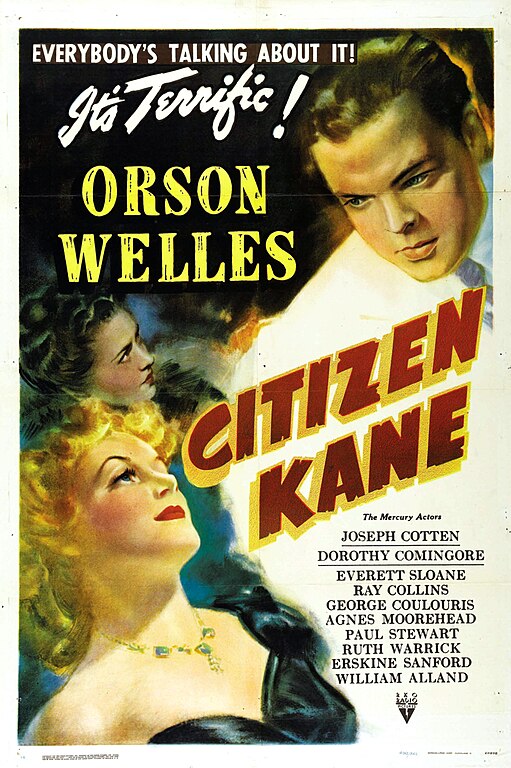
Director Peter Bogdanovich has a new podcast, One Handshake Away. The setup is he gets together with a current director to talk about the work of a classic director – one who Bogdanovich happens to have recorded interviews with. It’s a neat idea. A recent episode featured Rian Johnson and focused on Orson Welles and, perhaps inevitably, Citizen Kane. Listening to it sent me on a deeper dive that got me thinking about Kane’s parallels with another iconic debut – In the Court of the Crimson King.
My journey to Citizen Kane is an odd, if not unique, one. I really dove into movies, even “cinema,” in college and particularly in law school. It didn’t take long to have Kane pop up here and there, often near or at the tops of lists of the best movies ever made, but for some reason I didn’t feel compelled to seek it out. It’s not because it was old or in black and white – I devoured movies by Fritz Lang and Akira Kurosawa. Maybe because it had been placed on such a pedestal I thought it was too good for my growing cinephile brain?
Regardless, what really drew my attention to Kane was the story around the movie and the lengths William Randolph Hearst went to squash it. I’m not sure whether I stumbled into that via The Battle Over Citizen Cane, a 1996 PBS documentary, or RKO 281, the 1999 HBO movie based on it. Both tell how the character of Charles Foster Kane became a stand in for Hearst (even though he was based on several different magnates of the age) and how the publisher marshalled all his considerable resources to kill the film (in the process, of course, bringing extra attention to the whole thing – a proto Streisand Effect, if you will). Regardless, Kane became one of the those works, like Brazil, that I was attracted to because of the story behind it more than the work itself.
All that said, when I first saw Kane I was not overwhelmed. It was good, don’t get me wrong, and I liked the flashback structure and the “Rosebud” MacGuffin. Still, it did not necessarily scream out at me that this was the greatest film ever made. My opinion ticked up somewhat when I watched it again with Roger Ebert’s commentary. He pointed out all the myriad ways that Welles was breaking new ground in terms of how shots were composed, how the very medium of the movies was changing in his hands. It made all the praise easier to understand. After repeated viewings I easily called Kane a classic, even if it’s not necessarily at the top of my list of favorite movies ever.
On the heels of listening to the Bogdanovich and Johnson discussion, I found an episode of The Ringer’s Big Picture podcast on the legacy of Citizen Kane in the lead up to the release of David Fincher’s Mank, which takes on the writing of the screenplay (among other things). In that discussion, critic and author Adam Nayman made an interesting observation. Contrary to Ebert’s commentary, or at least what I took away from it, Nayman argues that Welles didn’t really break any new ground himself, but combined a lot of recent innovations in one place with a sense of skill that hadn’t been seen before. He was, in other words, making the best refinements of breakthroughs that had come before, in the process giving birth to a lot of the visual language of modern movies.
I immediately thought of In the Court of the Crimson King.
As evergreen as the “what is progressive rock?” debate has been over the decades, the “what was the first prog album?” debate is equally well worn. For broader audiences King Crimson’s 1969 debut is usually cited. But the truth is that there are several other candidates that predate it, at least for certain elements of what would come to define “progressive rock”:
The Beatles, along with the Beach Boys, helped transition the album from just a collection of singles to something that is a cohesive work (Sgt. Pepper in 1967 and Pet Sounds in 1966). The Beatles even threw in what amounts to a side-long suite on Abbey Road (1969).
The Moody Blues took the concept album idea (which dates back to at least the 1940s) and layered it over with symphonic grandeur on Days of Future Passed (1967).
The Nice were doing the side-long suite thing and adapting classical (and related) pieces for a rock setting before Keith Emerson left for Emerson, Lake, and Palmer on albums like Ars Vita Longa Brevis (1968).
Then there’s Frank Zappa, who by 1969 had done albums covering fun-house pop/rock/blues music, orchestral stuff, jazz fusion, music concrete, and just plain weirdness.
Given all that, does In the Court . . . still have a valid claim to the title of “first” prog album? I think so, because, as with Citizen Kane, it took a lot of different things that were happening in the musical culture at the time and seamlessly wound them together into a single, cohesive work. It wasn’t the first drip of the prog rains, but it was the deluge that nobody could ignore. Once In the Court . . . was released the era of progressive rock was upon us.
There’s another similarity I see between Kane and Crim – its creators would never again reach the same heights, at least in terms of the popular zeitgeist. Yes, Welles made more movies, some of which are very good, but none can lay claim to being the best film ever made. As for Crimson – it wasn’t took long after In The Court . . . came out that the band became, effectively, a Robert Fripp project (he’s the only common member for the rest of the band’s history). And while they, too, made some great albums over the years, none punctured the culture the same way In the Court . . . did. Being first is important, in a way, but it’s not the only thing. Welles may have been borrowing from other ground breakers, just as Fripp and company were synthesizing a lot of things that were in the rock music atmosphere at the time. Doesn’t make their accomplishments any less mind blowing. Sometimes it’s best to come just behind the pioneers.
My mother passed away this past weekend. It wasn’t unexpected, but it still came as a shock. Naturally, I’ve been doing a lot of remembering in the past few days and I pulled a story out of my brain involving my mother and the ultimate development of my bizarro musical tastes.
My musical tastes were shaped by two main forces inside my family. The first was my brothers, who are 10 and 13 years older than I am. I say that not to call them old (we’re all old now!), but to point out that just when I was old enough to start thinking about popular music they were old enough to have established tastes and preferences. It’s why, in spite of going through junior high and high school in the 1980s my musical likes lagged by about ten years. It’s through my brothers that I discovered progressive rock – they introduced me to Yes, Genesis, Zappa, etc.
The other force inside my family was my parents. They were my introduction to the world of “serious” music – the symphony, opera (my father is a huge opera fan), musical theater. I never jumped into that stuff quite as much as I did prog, but its influence definitely contributed to that. In addition, both my parents were singers, having been in the WV Symphony Chorus for years. They were big fans of vocal harmony groups like The Hi-Los and the Swingle Singers. I can draw a direct line from hearing that sort of stuff to bands like Gentle Giant, echolyn, and Moon Safari that feature exquisite vocal harmonies.
With that said, my first music collection was mostly cassettes recorded from albums my brothers had (they each had, over time, bitchin’ stereos, while I made due with a boom box). At one point, probably because they were about to move out, I made a more concerted effort to make cassette copies of some albums that I didn’t necessarily love but figured I should have anyway.
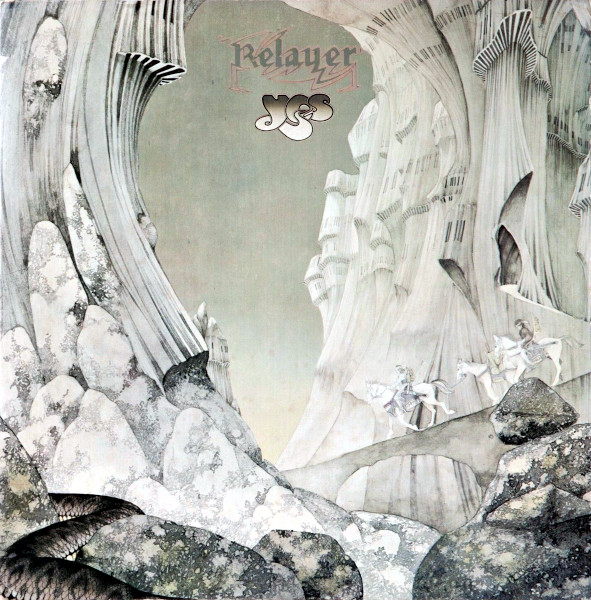
Enter Relayer.
The seventh Yes album, the first and only with Swiss keyboard player Patrick Moraz. I was aware of it at the time, but not really familiar with it. But it was Yes and I was a fan, so I needed a copy.
One day I was the only person in the house and decided that would be a good time to record and listen. See, kids – back in those days if you wanted to record something onto cassette it took as long as the album lasted, so you might as well listen as you went. I wasn’t trying to be clandestine, just considerate.
My parents came home at some point. I’m not sure what attracted my mother, whether the music itself or the cover, but she took a look at the track list on the back of the LP cover.
As you can see, side one is one long piece called “The Gates of Delirium.” My mother was convinced that this twenty minutes of progressive rock madness could only be about one thing – drugs. For whatever reason, she decided to put her foot down and stop me from listening to/recording any of it. I still don’t know why – my house growing up was not exactly censorial and I got exposed to a lot of stuff I was too young to understand, from George Carlin to Monty Python (remember, two older brothers!) and, as I mentioned, Frank Zappa! None of this was an issue with my mother but, for some reason, “The Gates of Delirium,” that great ode to the power of drugs, was a bridge too far.
I didn’t argue with her. As I said, Relayer didn’t mean much to me at the time and I couldn’t mount a credible defense for “The Gates of Delirium,” anyway. Jon Anderson’s lyrics were always what you might call “opaque” – I read somewhere that he was more interested in how words sounded than in what they meant – and I didn’t know, at the time, what it was really about. So I put Relayer away and got on with whatever album was next.
I only later learned what “The Gates of Delirium” was really about – War and Peace. That’s right, in typical prog fashion, Anderson had decided to whittle down a 1200+ page classic of world literature into one side of an album. While I’m certain drugs were involved in the creative process, it isn’t actually about that, much less a celebration of it (as the lyrics make fairly clear – as clear than Anderson typically gets, anyway).
You’d think after all that I’d bear some grudge against my mother for denying me this masterpiece for so long. You’d be wrong! See, the thing is that all of Relayer, and large chunks of “The Gates of Delirium,” are by far the weirdest, most aggressive things Yes ever did and at the time I was trying to record it I didn’t really like it much. When came back to it in college or law school I’d started listening to way weirder stuff and so Relayer didn’t strike me as “too much.” Rather, it hit just the right sweet spot. That it was, in some minor sense, “forbidden” probably didn’t hurt. If I’d lived with it for years by that point, I’d probably just shrugged it off as not for me.
So thanks, Mom, for letting that rarely used overly protective streak come out in this particular instance. It probably led to this becoming one of my favorite bits of Yes music ever.
It’s one of the most iconic moments in all of Star Trek lore – hell, in all of science fiction. The “death” of Spock:
Spock’s mantra is a callback to his earlier pontification of the maxim that “the needs of the many outweigh the needs of the few.” It’s a stirring call to sacrifice for the betterment of your fellow being, a dictum that sounds throughout different ethical systems and religions. A personal best practice it’s hard to argue with (if also hard to follow).
But it’s also kind of fucked up, if you think about it.
I think the writers of Silo thought about it. Adapted from the Wool series by Hugh Howey, Silo’s first season on Apple TV wrapped up not too long ago. It’s a slice of post-apocalyptic sci-fi with a twist – it takes place almost entirely in a silo that stretches for dozens of levels underground, where survivors of some catastrophe eke out an existence via strict rules and superb logistic coordination.
Naturally there are secrets and lies and all that good stuff, which the main character doggedly sets out to uncover. Hovering over her is the interim mayor of the silo, played by Tim Robbins, who eventually turns heel and when he does he says a quite interesting thing:
Holy shit – “the needs of the many” – significant pause – “require the sacrifices of a few.” I can’t be the only one who thinks that’s not a coincidence.
Star Trek is generally thought of as utopian, aspirational sci-fi. Sure, there are baddies like Romulans and The Borg and The Dominion running around making the universe a mess, but, for the most part, life in Trek land is pretty good. Most people in the Federation get to lead a life they feel is fulfilling and, it appears, nobody has to do shit work for money. It’s not quite as decadent as The Culture universe, but it’s getting there.
Trek isn’t unique in presenting a positive human future (indeed, there’s some argument that sci-fi by definition has to be of that persuasion), but it’s probably the best well known. And its achieved that in a world that, at least in the last few decades, seems much more interested in exploring various dystopias than it is speculating how science might solve humanity’s problems. Silo fits snuggly into that dystopian field and stands as almost a challenge to the Trek view of the future.
Which is why I can’t believe its swerve on “the needs of the many” is an accident. There’s no reason it should be. As I said, Spock’s maxim is a generous rule of thumb to guide personal interactions. As a societal principle, however, it doesn’t take took long until it looks pretty dangerous. You don’t have to go very long down the slippery slope before you’re severely restricting personal freedom in name of the greater good (see also, Omelas, of course).
What makes dystopias so rich is that their fundamental dilemma is one we deal with everyday in the real world. I have to strain my imagination to imagine a world of little scarcity where anything I can dream of needing can be pumped out of a replicator. On the other hand, it’s not too far to buy into a society run by a guy who thinks the only way for life to survive is to brutally crush dissent, given human history since, well, ever.
It doesn’t make one better than the other, but we rarely see them in conversation with each other. I think that’s what Silo was doing. As a slogan, “the needs of the many outweigh the needs of the few” looks good on a coffee mug, but that doesn’t mean it can lead society to some very dark places. The road to hell being paved with good intentions and all that.
It’s always nice when you see Margaret Atwood share a picture of your alma mater(s)’s most distinctive building! Oh, wait:
Yes, West Virginia University, from which I obtained my two degrees, has been in the national news recently and not for anything good (although the men’s soccer team is nationally ranked!). Faced with a tens-of-million dollar shortfall, the WVU administration has decided to cut numerous class offerings and majors. As the faculty open letter Atwood highlights puts it:
WVU’s current crisis has received significant national news coverage over the past few weeks. Faculty and staff heard vague rumors about financial problems in late 2022, but the deficit was publicly announced only in March 2023. The crisis is largely caused by financial mismanagement; the university is running a $45 million deficit after a decade of real estate boondoggles, administrative bloat, and declining state funding. Instruction costs have declined but the administration is responding to the budget deficit by proposing a mass layoff of around 170 faculty and an undeclared number of staff this fall on top of 135 layoffs over the summer. Many departments may be closed or gutted to the point of not being able to function. Academic support units are also suffering: the library was forced to reduce its operational budget by thirty percent and currently cannot purchase books. Not a single senior administrator—many making at least five to ten times what most faculty earn—is taking a pay cut.
Beyond the fact that the administrators who got WVU into this mess aren’t likely to face any repercussions (Gordon Gee, WVU president who presided over all this mess, will retire to a spot on the College of Law faculty – the academic version of a corrupt prosecutor becoming a judge, I suppose), what really bothers me about all this is WVU’s insistence that everything is actually fine.
I got an email the other day (at my work email address, for some reason), titled:
It says, a little further one:
Due respect, but no, it won’t be the same University I know and love. For one thing it will be diminished as a teaching institution. How couldn’t it? The email (and other news releases) cite the relatively low number of students majoring in, say, foreign languages, but that minimizes the issue. How many future WVU students will be denied the experience of a former colleague of mine who, via the foreign language requirement for her major, wound up studying abroad and widening her horizons in ways that still impact her today?
For another, the reputation of WVU will take a hit due to all the negative coverage of this mess. Sad to say, most people already don’t have a mental picture of that “West Virginia University” is a citadel of higher learning. That the main move here in dealing with a budget shortfall isn’t “find the money somewhere,” but rather gut a bunch of academic programs sends the signal that they’re impression isn’t that far off. That only degrades the degrees already handed out and will stigmatize students going forward.
And really, did someone type this with a straight face?
It’s not a “budget crisis,” merely a “structural budget shortfall”! Orwell would be proud. Here’s the thing, in my line of work the “structural” modifier only makes it worse. Really, there’s no way to sugarcoat the bottom line that the school spent too much money in anticipation of students that have not arrived. Maybe that was an honest “oopsie” instead of a growth-driven fever dream that somebody should have tried to cool off, but either way – WVU is short a shitload of money.
University leadership have also been reviewing WVU’s academic support programs for potential cost-saving changes.
Programs under review include the libraries, Honors College, Office of Global Affairs, LGBTQ+ Center and the Women’s Resource Center.
Also on the chopping block is WVU Press, the book publishing arm of the school, which recently had one of its titles be a finalist for the National Book Award (among a host of other awards). These are not the kinds of things you cut if you’re trying to attract students and maintain the school’s reputation as a big-time research institution. The way things are going I’m afraid this isn’t too far from the truth:
Except we’ve been nowhere near a “massive” football program for years.



















 JD Byrne