On Practicing Law In Someone Else’s Sweet Hereafter

I’ve written about The Sweet Hereafter, Atom Egoyan’s 1997 film, a couple of times before. It made my list of favorite movies last year and I added it to a list of other great lawyer movies compiled by the ABA.

As I said in the favorite movie post:

his is my favorite movie about being a lawyer, even though there’s no dramatic courtroom climax or wronged client who needs defended. Instead, it’s about the toll it takes on a person’s psyche to make a living by inserting yourself into the tragedies of others.

With the recent passing of Russell Banks, who wrote the novel upon which the film was based, I thought it was a good time to actually read the damn thing and see how they compare. I did this secure in the knowledge that I had read, somewhere, that Banks  himself admitted that this was one of those rare situations where the film improved on the book. Naturally, I can’t find that anywhere online. Regardless, is it true? After reading the novel and rewatching the movie, I can’t say for sure.

At bottom, both are about a small town called Sam Dent (upstate New York in the book, somewhere in Canada in the movie) where a school bus accident led to the death of most of the town’s children. Into this tragedy comes a big-city lawyer named Mitchell Stephens, who tries to sign up grieving parents for a lawsuit against someone, somewhere that was really responsible for the accident. His plans are foiled when one of the kids who survived the crash, but is now paralyzed, Nicole Burnell, lies in a deposition that the bus driver had been speeding. She does this either to get back at her father who has molested her, in sympathy with those in town who don’t want anything to do with lawsuits, or both. All the while, Stephens deals with phone calls from his estranged daughter, a long-term drug addict who has just learned she’s HIV positive (maybe).

One major difference between the two is that the novel really has no main characters. It’s told in a series of first-person monologues by the bus driver, Delores Driscol; Billy Ansel, who lost his two twins and runs the local garage where the wreck of the bus is stored; Stephens; and Burnell. Each character interacts with others, but the shifts of focus make it impossible for any of them to be the narrative spine of the story. The movie, by contrast, clearly makes Stephens the main character, the agitator/irritant who gets into town and stirs up stuff (whether that’s “trouble” or “justice” depends on your point of view).

There are a couple of places where the book’s shifting POV makes for really interesting comparisons. At one point, Stephens and Ansel talk after Stephens shows up to take pictures/video of the wrecked bus. In the movie, this plays as Stephens trying, quite unsuccessfully, to sign up another parent for his lawsuit (this is how it’s read in law review articles, of which there are many), but in the book we know that he’s actually doing the opposite – he wants Ansel pissed and wanting no part in the lawsuit so when he testifies as a witness (Ansel was behind the bus when it crashed) he’ll be unbiased. Legally, I’m not so sure that makes sense (and it backfires spectacularly), but it certainly changes the way we see Stephens. Likewise, being in Nicole’s head makes her outright anger at her father more palpable and her ultimate betrayal more emotional and spiteful than the cold, calculated move it appears in the film.

There’s two big changes from the book that the movie makes, one more important than the other for figuring out what the story is trying to say. The smaller change is a storyline where Stephens is on a plane and meets an old friend of her daughter to whom he’s able to deal out all the information about his daughter’s troubled life. This is a pretty good way of getting at a lot of stuff that’s in Stephens’ head in the book and doesn’t really impact the overall arc of things.

The bigger change is the ending. In the film, after the lawsuit falls apart, it jumps to Stephens getting into a cab at the airport, where he sees that Delores is driving one of the shuttle busses. In the book, by contrast, there’s a lengthy coda from her point of view in which she learns what Nicole said about her and, therefore, what the town now thinks of her. It culminates in a demolition derby at the county fair that plays out like a kind of sacrifice (it involves one of Delores’ old cars) after which things seem to slide back towards normal. I don’t think it really works (and Delores does wind up driving tourist vans, although fairly nearby), but it’s certainly different.

Do these changes makes the movie better? I’m not going to go that far. I prefer the film, but I came to it first and there’s some bias because of that. Also, while Egoyan arguably exercised a messy ending dealing with the fallout from Nicole’s perjury, the end of the movie works better (I think) than the book. Mostly, the experience reinforced my thought that literature and visual media are different things driving at different goals. One isn’t really better than the other, they’re both different and it’s great that we can explore the same story in multiple ways.

So where does that leave my love for The Sweet Hereafter as a lawyer’s story? The film version of Stephens continues to hit harder. While the book gets us into his head, Ian Holm’s portrayal of Stephens as emotionally running on fumes resonates more. In the deposition scene, as Nicole’s perjury spills out, the look on Holm’s face is one that any lawyer knows well. Remember this scene from The Simpsons?

It’s the same thing with Stephens. You can tell the very moment his case, all the work he’s put into it, all the hours away from home, goes up in smoke. All due to something entirely beyond his control. We’ve all been there pal.

That, in the end, is why The Sweet Hereafter resonates so much as a lawyer movie. We may all aspire to be Atticus Finch, but we recognize more of ourselves in Mitchell Stephens then we’d like to admit.

Come See Me!

Next Saturday – February 11, 2023 – I’m happy to say that I’ll be taking part in a new event in Charleston, DualCon.

It’s primarily a gaming convention (of tabletop and video varieties), but it’s also having various folks there who are writers, cosplayers, and other creators. I’ll be there along with John Russo (who co-wrote Night of the Living Dead with George Romero) and author/actor Gerry Lee Vincent.

Should be an interesting day, so stop by and say hi! Buy a book! Or ten!

A Bit of Justice for Cousin Charlie

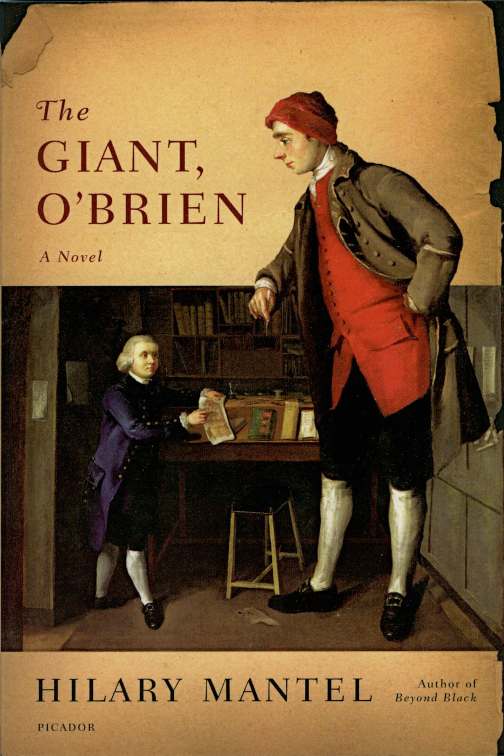
I am not, in general, a big reader of historical fiction. Not anything against it, I think I’d just rather read the history itself. Nonetheless, when Hilary Mantel died last year I thought I probably ought to check out some of her work. A little leery of wading directly into the Thomas Cromwell books I scanned her bibliography and saw a book called The Giant O’Brien. It rang a small bell and, after a bit of poking around, I found it was about, perhaps, a distant relative.

Said giant was Charles Byrne, who measured over seven-and-a-half feet tall. As chronicled in Mantel’s book, he leaves rural Ireland to go to London and become an attraction. What’s really interesting about the man in the book (whether it tracks reality I don’t know) is that he was very much in control of his exploitation. He’s not a simpleton dragged away from home by someone out to make a quick buck. Rather, he’s well aware of what’s going on and happy to make his way in the world in that manner, with the possibility of a young death hovering over him the whole time.

In the book, Byrne is pursued by a surgeon, John Hunter, who is a collector of “specimens” and wants the giant’s skeleton once he’s dead. Byrne makes it perfectly clear that he doesn’t want this to happen, but is betrayed by the hangars-on that have come with him to London, who eventually make the deal with Hunter for a few hundred pounds. The result was that Byrne’s skeleton was put on display at Hunter’s museum, where it became the most famous part of its collection.

There is some dispute as to how, precisely, Byrne’s bones came into Hunter’s possession – let’s hope he wasn’t so cruelly betrayed – but there’s no doubt Byrne didn’t want to go on display like a museum piece. Nonetheless, he was and there he hung for the next two centuries.

Until just recently. The museum is nearing reopening after several years of renovation and have announced that Byrne’s skeleton will no longer be on public display:

“What happened historically and what Hunter did was wrong,” said Dawn Kemp, a director at the Royal College of Surgeons of England, of which the Hunterian Museum is now part. “How do you redress some of these historical wrongs? The first step is to take Byrne’s skeleton off display.”

The real question now is what else, if anything, should be done with it. On the one hand, if we’re rectifying historical wrongs and Byrne wished not to be a specimen that should be the end of the discussion. On the other, there is something to be said for having Byrne’s bones around for scientific study:

“We shouldn’t think that we now know everything,” said Marta Korbonits, a professor of endocrinology at Queen Mary University in London, who has researched Byrne’s genes.

The research “isn’t done and dusted,” she added.

Indeed, Byrne’s skeleton has offered up new answers as medicine has evolved. In 1909, an American surgeon studied Byrne’s remains, and discovered that he had a tumor in his brain. Then, about a century later, researchers including Dr. Korbonits extracted DNA from Byrne’s teeth and found that he also had a rare genetic mutation that had been unknown until 2006.

“Without the public view, we wouldn’t have made that link,” Dr. Korbonits said.

I’ll admit, I’m a little conflicted. On the one hand, since I believe that a body after death is just meat and bone and the person who it once was is gone, I don’t get too worked up over what people do with dead bodies, particularly at the remove of a couple of centuries. And if there is some broader benefit for mankind that’s a good thing, right? On the other, disrespecting a person’s wishes is a shitty thing to do and it seems if you’re going to right that wrong you have to go all the way.

In the end, there’s no good answer, given the proven good that having Byrne’s skeleton around has done, although I could see a compromise – since we’ve gotten more out of him than we ever should have, maybe it’s time to say “thanks” and let the guy rest? It’s the least we can do for cousin Charlie.

Weekly Watch/Read Quick Hits

Sometimes, you just want to say a little about some interesting things . . .

Operation Nemesis: The Assassination Plot that Avenged the Armenian Genocide, by Eric Bogosian

On March 15, 1921, a man named Soghomon Tehlirian stepped up to a former high-ranking Turkish official, Talaat Pasha, and shot him dead. At his trial, Tehlirian told of how he had witnesses the murder of his family as part of the Armenian Genocide and had taken the chance to kill Pasha for his role in it (he’d been convicted of his complicity in absentia after World War I). Actor and writer Eric Bogosian thought that story would make a great movie and started writing a screenplay, only to find in his research that Tehlirian didn’t act alone, but was one part of a wide ranging conspiracy called Operation Nemesis to seek some measure of justice for those killed during the genocide. Bogosian wound up writing this book, which is plenty fascinating, but doesn’t quite live up to its goal of getting deep inside the conspiracy, focusing mostly on Tehlerian and his particular act. Fun fact – Bogosian was in Atom Egoyan’s brilliant Ararat, which is partly about making a movie about the Armenian Genocide – he plays the screenwriter.

The Bishop’s Wife

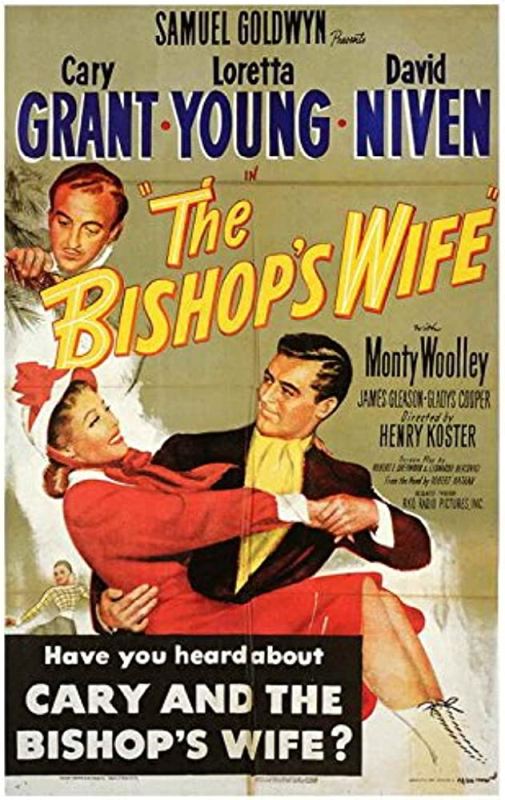
Every holiday season my wife TiVos just about every Christmas movie she can find and I’m always interested in something that’s older that I haven’t seen before. This one (from 1947) is one of the weirder holiday movies I’ve ever seen. Cary Grant plays an angel who comes to the aid of the titular bishop, mostly by wooing his wife (in some markets it was billed Cary and the Bishop’s Wife so as to not seem too religious). I’m not kidding. The bishop makes promises to do all sorts of thing with his wife, but has to cancel to go beg for money to build a pointless cathedral, so Cary steps in and does it all. I kind of like the theory floated by gpph at Rate Your Music that Cary might actually be a demon, more than an angel – that probably would have been a better movie! Still, this is a Christmas movie with precious little of “there’s only one proper way to celebrate Christmas and we’ll beat you over the head with it until you conform,” so that’s a major plus in my book.

Sea of Tranquility

I really really loved Emily St. John Mandel’s Station Eleven (and her recent work to get her divorce cited on her Wikipedia page) and so was a little disappointed with Sea of Tranquility. It starts really well, laying out multiple timelines and a singular bit of weirdness that appears to link them all. When things lose steam, for me, is when we get deep into the time travel stuff at the book’s core, which I just don’t find that compelling (it’s wrapped around the “what if we’re living in a simulation, man?” speculation and at least comes to the correct answer – who cares!). That said, Mandel is just great on a scene level and there are really excellent bits here and there that make it worth the (relatively short) read.

Reservation Dogs

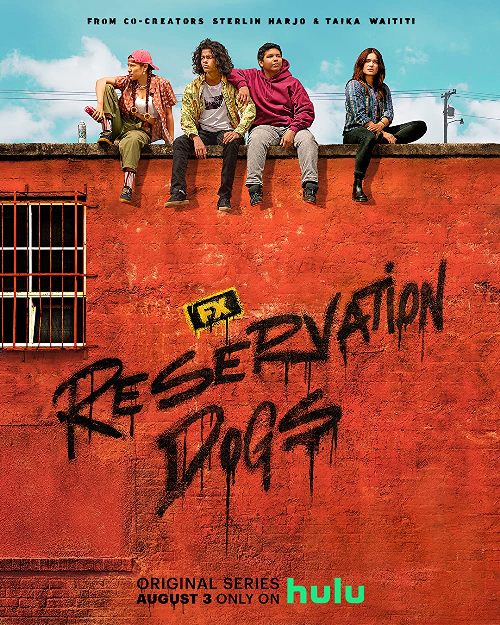
This Hulu series (18 episodes over two seasons so far) has been on our radar for a while, but we only got around to actually digging into it recently. Thankfully, it’s as brilliant as the reviews made it out to be. It’s about four Native American teenagers on a reservation in Oklahoma dealing not only with the regular realities of life, but also the suicide of their best friend, which hangs over the series thus far. If that makes it sound depressing and serious it can certainly be serious (and touching – a scene in the second season finale made me choke up), but it’s hilariously funny in other parts, as well.

Does Size Matter?

Get your minds out of the gutter, folks, I’m talking about books here.

A while back I came across this column:

The argument is as the headline states it – that novels used to be longer and the fact that people don’t read long novels anymore is a problem. I don’t find it a very compelling argument, for several reasons.

The jumping off point for this observation was the then-looming 100-year anniversaries of two very famous long books – James Joyce’s Ulysses and Marcel Proust’s In Search of Lost Time (its English translation, anyway). The overwhelming mood of the column is a “they just don’t make ‘em like the used to” and wouldn’t things be better if modern popular culture supported such massive works? Fiction, the author argues, helps build empathy for others and generally leads to a more civilized, less violent society. I don’t disagree (although the cynic in me says look at the 20th Century), but I’m not sure book length makes much of a difference.

Joyce and Proust are odd standard bearers for this argument, too, given that they’re ultimately more talked about then read. Were either best sellers in their time? The author labels them “gravely under-read,” so presumably not. “Proust” has enough pop culture currency to be a solid basis for a silly sketch about trying to summarize his work, but how many people have any idea what it says? As for Joyce, even the author of this column concedes that there are parts of it that are “skippable,” which sounds like a concession that Ulysses is just too damned long.

More to the point, the column ignores or downplays evidence that consumers of media (in whatever form) are more than happy to give over lots of time to various works. He bemoans the fact that Netflix allows viewers to watch things a increased speeds, “as if 90 minutes is now considered an unreasonable amount of time to spend watching a 90-minute movie.” This is slightly out of touch, as the ballooning of movie lengths is pretty regularly commented on. As for Netflix itself, a recurring criticism of its popular documentary shows is that they take what should be a feature-length story and stretch it over hours and hours. Yet people still dive in.

There’s a glancing mention of popular fiction, specifically a recognition that the Harry Potter books that kids eat up are lengthy, but then regret that “between youth and middle age, out enthusiasm for chunky novels recedes.” But is that true? Fantasy and science fiction are two of the most popular fiction genres and they often produce true door stoppers. Per this graphic from Electric Lit Ulysses is 265,000 words, which is a bunch. But A Game of Thrones, which has sold scads of copies, is 292,000 and it’s the shortest book in that series. Eye of the World, the first of the Wheel of Time series is nearly 306,000 words. Again, it’s sold loads.

Both of those are the first installments of a lengthy series, of course, which gets another overlooked truth of the modern book market – readers really like long, mutli-volume works they can dive into and immerse themselves in. Those series run into the millions of words. In Search of Lost Time, of course, was itself a series of seven books (topping out at just over 1.2 million words – Martin’s at 1.7 with A Song of Ice and Fire and isn’t done yet!). Going back to movies, what does it say that the most successful popular film series of our era tells a complete, interwoven story, over two-dozen-plus movies (not to mention related TV series)? It’s not an indication that people aren’t willing to devote considerable attention to media that moves them.

I’m not trying to equate popular novel series or the Marvel movies with two classics of world literature, but the thesis of this column isn’t that people aren’t reading the right kind of books (although that’s implied), but that they’re not reading ones that are long enough. But that’s simply not true. In whatever form you consume you media – book, film, or TV – people eagerly consume epic stories all the time.

There’s a musical analogy here, too. Progressive rock is famous for artists who indulge in lengthy songs, including side-long epics like “Supper’s Ready” or “Close to the Edge.” It’s to the point that some newer artists think length is as important as anything else when it comes to prog. But the truth is that Gentle Giant did more interesting things in 4 minutes than many bands can do in 20. The only issue should be how long should a particular song – or book or movie – be to get the job done? Sometimes it’s short, sometimes it’s not.

Or, as the old saying goes:

2022 – My Year In Media

Looking back on the various media items I consumed the past year – I really need to keep better track of some of them – I was looking for some kind of trend or meaning for what stuck with me. Alas, there really isn’t any, so here’s just a collection of interesting things, both new for 2022 and new to me for 2022.

Music

I didn’t get to sample a whole lot of “new” music in 2022, but it’s unlikely that any would have perched higher in my soul than Marillion’s latest, An Hour Before It’s Dark.

Grappling with COVID-induced lockdowns and fears (which vocalist/lyricist Steve Hogarth initially said they weren’t going to do), the album manages to both dredge up some of the worst of it and still end on a beautiful, hopeful note. It’s not as great an album as Fuck Everyone And Run, but that’s not much of a criticism. That the band has been at it so long and is still so good is either inspirational or enough to make you give up. Either way, I can’t wait for the next one.

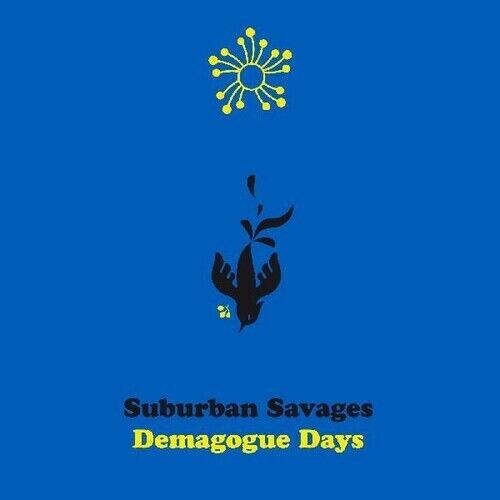
In terms of “old” stuff, the complete out-of-the-blue find I had in 2022 was Norwegian band Suburban Savages and their 2021 release Demagogue Days.

Stylistically they’re hard to pin down, with a foot each in surreal Canterbury-style progressive rock and the other in the more avant garde side of things. There’s also a lot of great synth work, which naturally attracts my ears. The title track may be the catchiest use of 7/4 since “Solsbury Hill,” too!

Movies

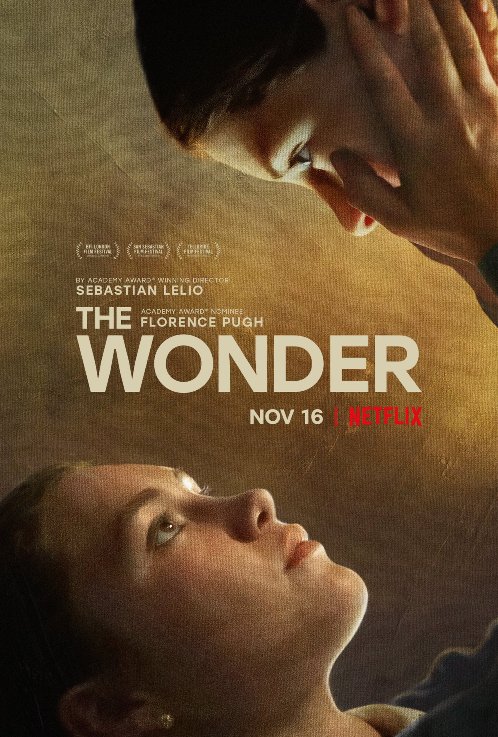
The wife and I still haven’t seen a movie in the theater since COVID hit (more out of inertia more than anything else, I think), so I didn’t get to see a lot of “new” movies in 2022, although we did get to catch up on several big-name flicks over the holidays, most of which (Nope, Glass Onion, etc.) were solidly “meh” in my mind. The standout from 2022, for my money, is The Wonder.

It’s a small, quiet film about an English nurse in post-famine Ireland who is brought in to observe a teenage girl who allegedly is surviving without eating anything. It’s no spoiler to say she’s not what she appears, but the way those around her deal with it are fascinating. The movie has a creepy atmosphere that doesn’t really read “horror,” but makes it feel that way anyway.

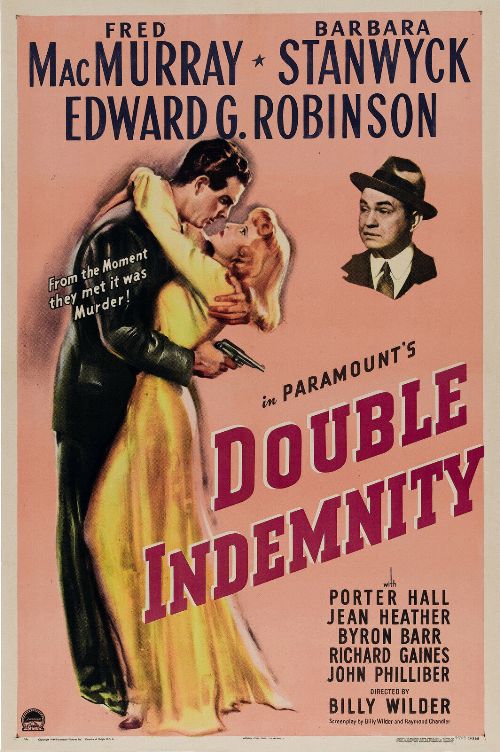
For some reason, in 2022, I decided to regularly take a look at the offerings on Turner Classic Movies. As a result, we wound up watching a lot of movies from the 1930s and 1940s, classics that I’d never seen before. Top of the heap for me was Double Indemnity, the 1944 noir classic directed by Billy Wilder.

It’s a pretty sleazy tale for the middle of Code-era Hollywood, but everybody gets theirs in the end, so I suppose that’s justice. All I know is that it’s a ball to watch the plotting and scheming unfold. You can see the DNA in a lot of modern thrillers in it.

I also wanted to give some love to a pair of documentaries I saw this year that dealt with overlooked aspects of music history.

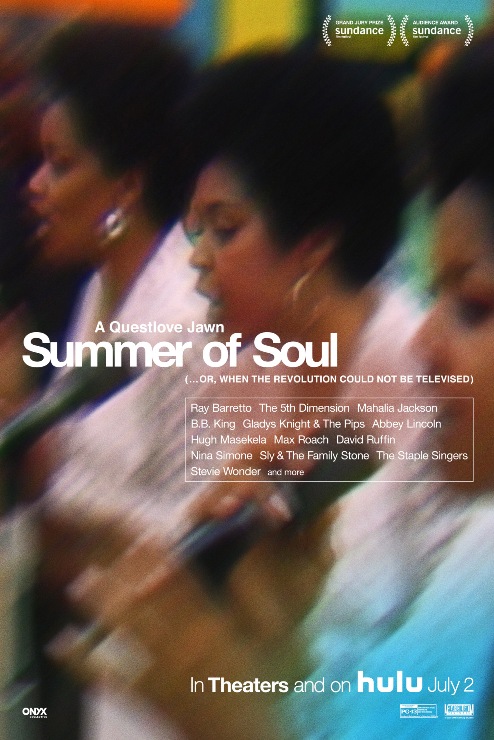
The first, which hardly needs my approval (it won an Oscar, after all), is Summer of Soul, directed by musician Questlove.

It’s about a series of concerts held in Harlem during the summer of 1969, the same year as Woodstock (which overshadowed these shows in the popular conscience). A lot of them were recorded for proposed TV specials that never really happened, so there was a rich treasure trove of performances from the likes of BB King, Stevie Wonder, and Nina Simone. But the movie also gives a lot of context for why these concerts were such a big deal at the time, along with modern feedback from several attendees (and a few performers).

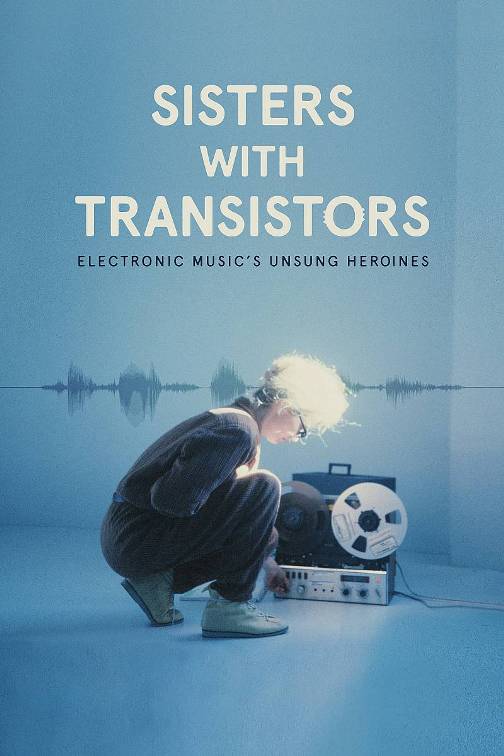
The other gets at the overlooked contributions of women to the development of early electronic music, Sisters With Transistors.

It focuses on real pioneers, including Delia Derbyshire (responsible for the Dr. Who theme, the assembly of which is amazing) and Wendy Carlos (of Switched on Bach fame), so lots of cool archival footage.

TV/Streaming

Looking back I’ve already written a lot about some TV shows in the past year, with some thoughts on the finale of Better Call Saul, the first season of Star Trek: Strange New Worlds, and the fascinating documentary series The Most Dangerous Animal of All. I wanted to highlight a few others, too.

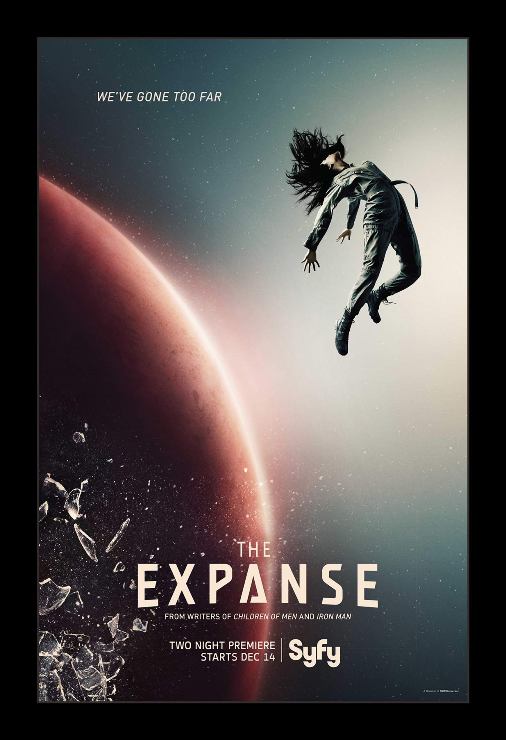
First, exiting the stage along with Better Call Saul was, for me, the best sci-fi series of its generation, The Expanse.

As it happens, I read the first book in the series (which I highlighted in my list of favorite recent books last year) before the TV show started so I was already primed to like it, but the adaptation was really excellent. Maybe it lacked swoopy spaceships, but it had compelling characters dealing with real human issues against a backdrop of an existential threat to our species. They didn’t even bowdlerize Avasarala!

One that both came and went in 2022, in that it won’t get a second season, is Archive 81.

Based on a podcast (which does continue past this only season), it’s about a guy hired to digitize a series of videotapes that pull him into a mystery/conspiracy involving a cult and a huge apartment fire decades before. It’s creepy and atmospheric and the cult aspect actually works better than I thought it would. I think the season could stand on its own, but there was clearly an expectation of more given the ending. Oh well.

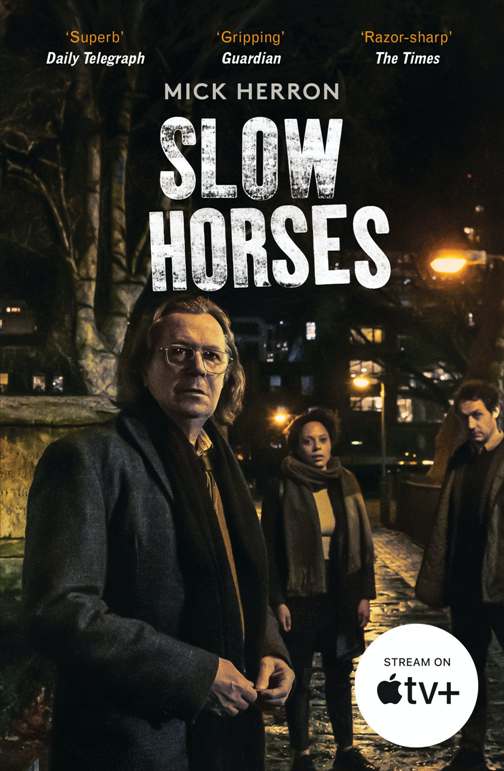
Hopefully, since we’ve already gotten two (short) seasons, we won’t be denied more of Slow Horses.

Based on the books by Mick Herron, the series is about a clutch of essentially exiled British intelligence agents who either are, or are perceived to be, useless fuck ups. Until somebody thinks they might be useful and then the shit hits the fan. I read the first book before diving into the series and the adaptation was incredibly faithful, right down to Jackson Lamb’s championship flatulence.

Books

I loved Susanna Clarke’s Jonathan Strange & Mr. Norrell when it came out and had kind of given up on getting anything else from her when Piranesi appeared in 2020.

It took me a couple of years to get to it, perhaps worried that the slighter volume wouldn’t measure up to its predecessor. I shouldn’t have worried. It’s a beautiful, expertly crafted book and completely different from Strange & Norrell. If you’ve heard people praise Clarke’s work by find the first book’s length a bit daunting, start here. You won’t be disappointed.

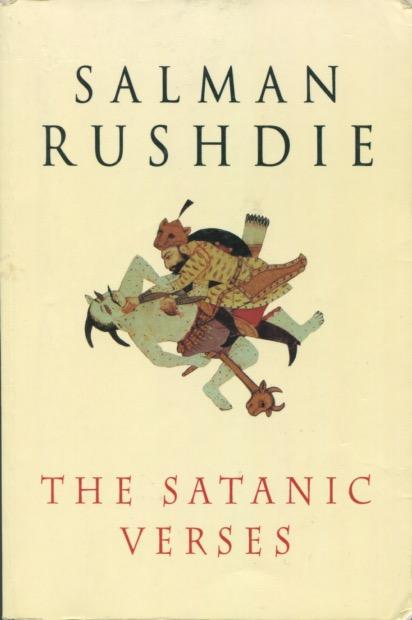
After Salman Rushdie was cowardly attacked in New York in August I finally decided to jump into The Satanic Verses.

It was, admittedly, a lot, with a narrative that jumps all over the place in terms of time, place, and tone. Beyond that, Rushdie isn’t exactly sparse with words, spinning sentences that sometimes seem to wrap around you two or three times before the period comes. I found it challenging and exhilarating all at once.

Finally, 2022 was the year I finished up the saga of necromancer Johannes Cabal, with The Brothers Cabal and The Fall of the House of Cabal.

I had a couple of quibbles (I don’t find the fictional nations in the middle of otherwise recognizable Europe very compelling), but overall it was a great ending to the tale of one of my favorite characters. Johannes is deeply cynical, but also funny and honest. You may not like him, but it’s hard to argue with him (to borrow a phrase from Clerks, “he’s blunt, but he makes a point”). The story of his brother, Horst’s, struggles with being a vampire were a fresh take on that theme.

Podcasts

In spite of hosting one, I haven’t really been a podcast listener until this year. For the most part I cherry pick episodes here and there on things that interest me, but there are a couple that became more regular listens this year.

The more entertaining of the two is Discord and Rhyme.

It’s a podcast in which a rotating cast of young(ish) music writers gather to talk through one of their favorite albums. What drew my attention when I was scanning through the back episodes was how many of them involve progressive rock (and adjacent) bands. It’s heartening to hear people not raised in the early 1970s who genuinely like that kind of music (most of them have parents to blame). But even on other albums what works the best is that they’re all coming from a place of love (or at least like) for particular albums, so the talk is engaging, informative, and enthusiastic. It’s much more fun to praise something you love than to tear down something you don’t.

The more aggravating of the two was Hoaxed.

A six-episode podcast, it dives into an incident from the UK in 2014 in which two children accused their father of being part of a cult of devil-worshiping pedophiles. Shades of the 1980s Satanic panic when the kids recant and it turns out that they were put up to it by their mother and her very odd boyfriend. That’s enough to hook you, but the story goes on to cover the backlash against the community when the charges fell apart and whether anybody will ever be held accountable for the damage done. It’s like a QAnon story in miniature. All right – bring on 2023!

Bloggus Interuptus

I’m not doing National Novel Writing Month this year, but I am stepping away from the blog for November due to a couple of pressing things that will take up a lot of time.

The first is that I’m ready to start the final edit of Heroes of the Empire.

I’ve gotten my beta reader feedback incorporated and can start my last run through before sending it to my editor for (hopefully) publication early in 2023.

The second is that, on November 20, the World Cup kicks off in what will be, for a couple of weeks, a complete orgy of top-level soccer.

The Cup should never have been given to Qatar in the first place (least of all because it requires the Cup to be played in fall/winter instead of summer), a decision that looks all the worse for the stories about the treatment of workers who built the stadiums. But the tournament is going to happen whether I watch or no, so I will not let the chance to watch a lot of great soccer over the course of a few weeks, not the least because it marks the return of the United States to the big show.

Back in December when things slow down a bit.

West Virginia Book Festival – Come See Me!

It’s back! I’m back! We’re doing this!

For the first time since 2019, the West Virginia Book Festival is back in full strength, including the marketplace, which means I’ll be there, too!

As you can see, it kicks off this Friday and runs all day Saturday. In addition to the marketplace full of writers with great books, the Kanawha County Public Library is doing its traditional used book sale. And, of course, there are numerous presentations from several authors, including V.E. Schwab and C.J. Box. The schedule of those presentations and various workshops for the festival can be found here.

Drop by, grab a book, and say hi!

“The Consequences of Sin” Is Here!

That post title sounded better before we were on the verge of Armageddon (again). But recall back in June I announced that I had a new short story that was going to appear in a forthcoming anthology. Well, it’s here.

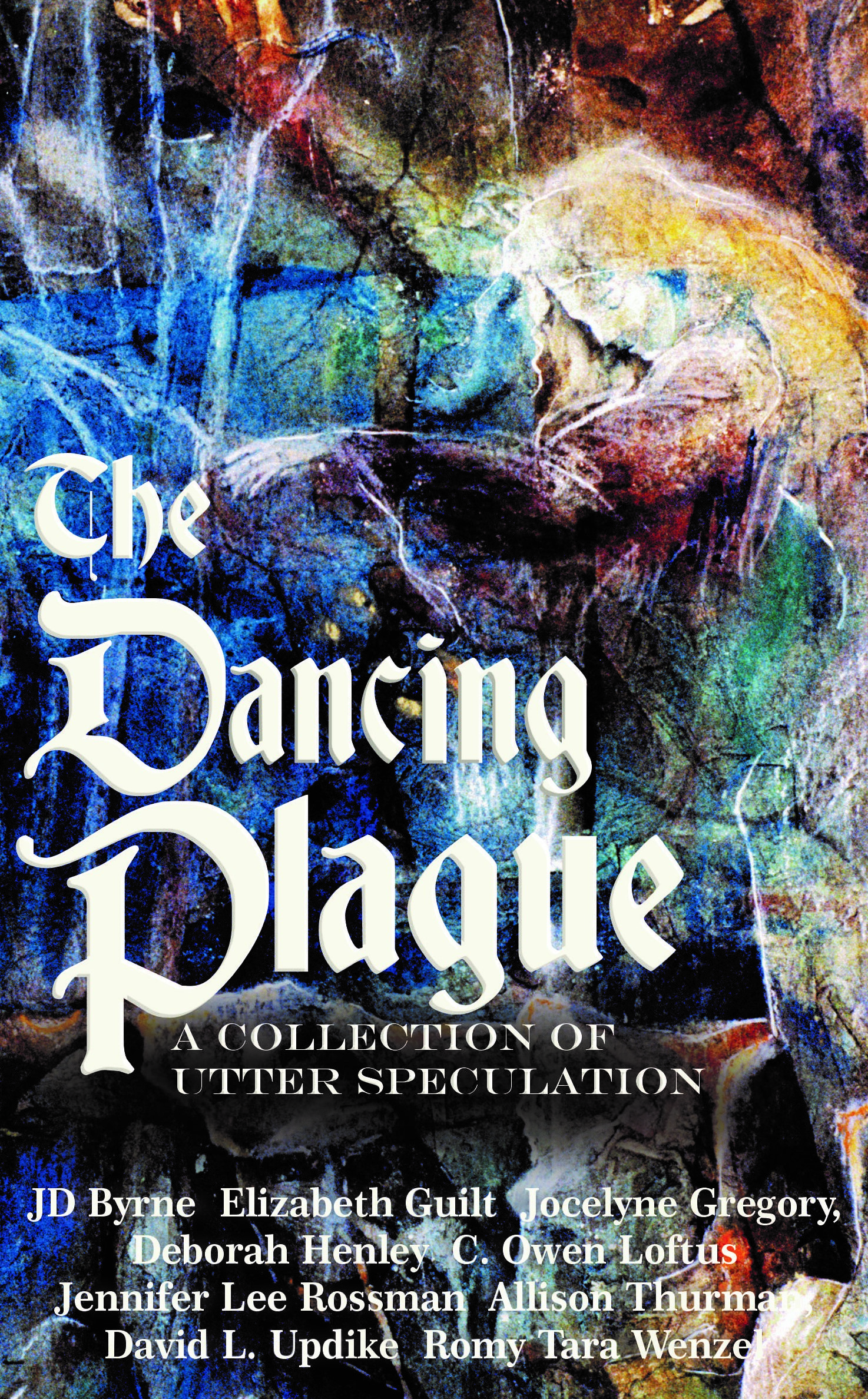
The book is The Dancing Plague: A Collection of Utter Speculation, which you can get here (paperback) or here (Kindle eBook). My story is “The Consequences of Sin,” takes one of the traditional explanations for these kinds of phenomena (not really a spoiler – it’s demons) and twists it a bit, inspired by the Fritz Lang classic M. You can read more here about the background of the story (and other stuff) in this interview I did. The other authors did similar interviews, which you can find here.

Regular readers will know that lost of years I’ve done a story for Halloween here on the blog. Since this story is coming out in October and is sufficiently creepy (I hope), it will fill that role for this year. You can find links to all my Halloween stories here.

That’s it – let’s dance!

Weekly Watch & Read: The Damned United

When I latched onto Leeds United as my favorite team outside the United States I didn’t do it with any sense of the club’s history. Sure, I knew they’d been around a long time, but it was their then-current form that lured me in (and led to years of heartbreak – alas, that is the truth of the beautiful game). What I didn’t know at the time was that for about a decade leading up to my birth they were one of the, if not the, best team in England, winning the top division twice, the FA Cup once, and finishing runners up in both competitions several times between 1964 and 1974.

What I also didn’t realize was that they did so with a bit of a reputation. Think of the infamous Philadelphia Flyers team known as the “Broad Street Bullies” and you’re on the right track, except there were twice as many of them and at the time there was only one allowed substitute in soccer. Any injury often meant the other team playing a man down.

That Leeds team was the product of manager Don Revie who, after the 1973-1974 season ended, left the club to become manager of the England national team. His replacement, Brian Clough, was a former player who had worked wonders as a manager at Derby County, dragging the team up to the top flight and to the league title. One the one hand, it looked like following on from one brilliant manager to another.

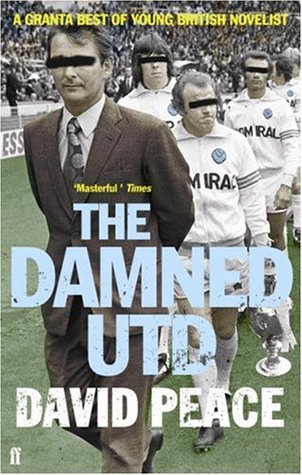
On the other hand, well, that’s the story of The Damned United, first a novel by David Peace and then a movie, directed by Tom Hooper with Michael Sheen (current Wales national team hype man) as Clough. They cover Clough’s rocky 44-day stint at the helm of Leeds and the culture clash that led to his ultimate downfall. It’s never a good sign when the new boss comes in and declares that all your prior success was down to “cheating” and you were going to start winning the “right way” now that he’s here.

I saw the movie first around the time it came out, based more on the good reviews than any particular interest in the story itself. Sports movies tend to be built around cliches leading to the “big game” and, honestly, once you’ve seen a few what’s the point of another? What makes The Damned United so interesting is that it turns the cliche on its head – rather than being about a coach who pulls together a group of underperforming misfits into a team of winners, it’s about a team of winners slowly falling apart. Honestly, it would be a good case study for a management class or something, a cautionary tale of how someone so convinced of his own brilliance can get things so wrong.

The biggest difference between the movie and the book was Clough’s motivation and general attitude about all this. Both portray Clough as a supreme egotist, convinced that he’s right about everything related to soccer (Peace uses the word multiple times in the book, so back off) and everyone else is wrong. In the movie, this comes across as more hopeful delusion than anything else. He has a better way to play the game, one that prioritizes attack and frowns on the “dark arts,” and that’s what’s driving him. He wants to improve things, elevate them.

Novel Clough is, by contrast, a complete rage-driven asshole.  This is evident in the book because we’re entirely in Clough’s head, privy to all his thoughts and the loathing he has for just about everyone and every place. While his wife and children come out unscathed (though they’re press so far to the edges that he might as well have been a bachelor, for the book’s purposes), he even goes after his assistant manager/partner Peter Taylor, with whom he had already had (and would again have) great success. It’s unclear at points whether he really wants to reform Leeds or drive them into a ditch. Clough’s head is, for the most part, a frightening place to be.

To be fair, the novel gives Clough some basis for his anger, giving us more detail on his playing and prior managerial career than the movie does. Primarily, we get Clough’s bitterness at his playing career being cut short by a knee injury. I think movie Clough mentions his goal-scoring tally at one point, but book Clough returns to it again and again. It is impressive – 251 goals in 274 games – but comes with a major caveat: all but a handful of those came in the Second Division, making Clough sort of a Crash Davis of English football, without Crash’s recognition that records in a lower league don’t mean all that much.

The other pillar of novel Clough’s anger is his belief that he should be manager of the England national team. This makes his taking over Leeds all the more fraught, given that he thinks Revie doesn’t deserve the England job. It adds an additional layer to the way that Revie haunts Elland Road (Leeds’ stadium) after he’s gone, like a millstone ghost hung around Clough’s neck. That he goes so far as to destroy and burn Revie’s desk is extreme, but you can kind of see where he’s coming from.

Aside from that, the novel and movie tell the same story. I think the movie does it better, partly because I found Peace’s style – which makes copious use of repetition of words (usually in threes) – annoying. As usual, I consumed the book via audio and even with the narrator’s cadence giving it some life, it felt overdone, as if the book (not that long to begin with) could have been a third shorter without it. And I can see why Clough’s family was upset with both the book and movie. One review I read noted that the three main characters – Clough, Revie, and Leeds midfielder/captain Billy Bremner – were all dead at the time the book came out. You can’t libel the dead, after all. Another Leeds player, Johnny Giles, did win a libel lawsuit about the book, although given British libel laws I’m not sure how much that means about what is, after all, a work of fiction.

That said, I kind of wish both book and movie had an epilogue of some sort. If you weren’t a soccer fan you’d think that Clough crashed and burned at Leeds and that was it, his days of success over. In actuality, he went on to even greater heights afterwards, leading Nottingham Forrest to not one but two European Cups (what they call the Champions League these days), an amazing feat for a club that size. Never got to manage England, however.