In the Court of the Crimson Kane

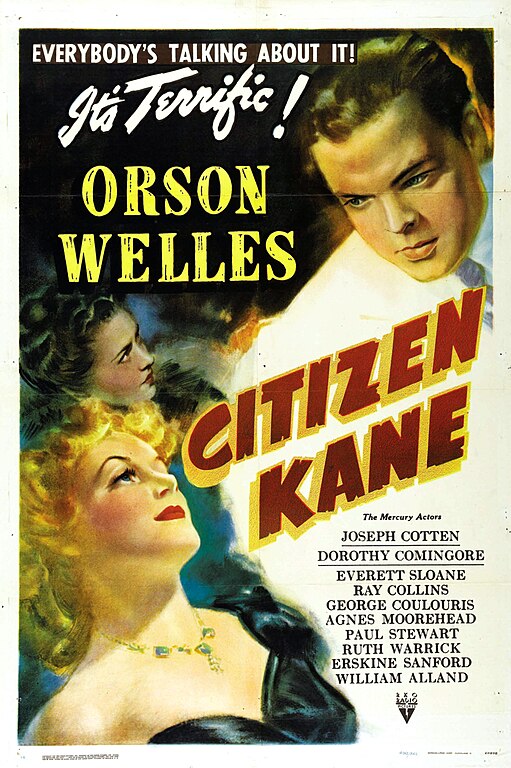
Director Peter Bogdanovich has a new podcast, One Handshake Away. The setup is he gets together with a current director to talk about the work of a classic director – one who Bogdanovich happens to have recorded interviews with. It’s a neat idea. A recent episode featured Rian Johnson and focused on Orson Welles and, perhaps inevitably, Citizen Kane. Listening to it sent me on a deeper dive that got me thinking about Kane’s parallels with another iconic debut – In the Court of the Crimson King.

My journey to Citizen Kane is an odd, if not unique, one. I really dove into movies, even “cinema,” in college and particularly in law school. It didn’t take long to have Kane pop up here and there, often near or at the tops of lists of the best movies ever made, but for some reason I didn’t feel compelled to seek it out. It’s not because it was old or in black and white – I devoured movies by Fritz Lang and Akira Kurosawa. Maybe because it had been placed on such a pedestal I thought it was too good for my growing cinephile brain?

Regardless, what really drew my attention to Kane was the story around the movie and the lengths William Randolph Hearst went to squash it. I’m not sure whether I stumbled into that via The Battle Over Citizen Cane, a 1996 PBS documentary, or RKO 281, the 1999 HBO movie based on it. Both tell how the character of Charles Foster Kane became a stand in for Hearst (even though he was based on several different magnates of the age) and how the publisher marshalled all his considerable resources to kill the film (in the process, of course, bringing extra attention to the whole thing – a proto Streisand Effect, if you will). Regardless, Kane became one of the those works, like Brazil, that I was attracted to because of the story behind it more than the work itself.

All that said, when I first saw Kane I was not overwhelmed. It was good, don’t get me wrong, and I liked the flashback structure and the “Rosebud” MacGuffin. Still, it did not necessarily scream out at me that this was the greatest film ever made. My opinion ticked up somewhat when I watched it again with Roger Ebert’s commentary. He pointed out all the myriad ways that Welles was breaking new ground in terms of how shots were composed, how the very medium of the movies was changing in his hands. It made all the praise easier to understand. After repeated viewings I easily called Kane a classic, even if it’s not necessarily at the top of my list of favorite movies ever.

On the heels of listening to the Bogdanovich and Johnson discussion, I found an episode of The Ringer’s Big Picture podcast on the legacy of Citizen Kane in the lead up to the release of David Fincher’s Mank, which takes on the writing of the screenplay (among other things). In that discussion, critic and author Adam Nayman made an interesting observation. Contrary to Ebert’s commentary, or at least what I took away from it, Nayman argues that Welles didn’t really break any new ground himself, but combined a lot of recent innovations in one place with a sense of skill that hadn’t been seen before. He was, in other words, making the best refinements of breakthroughs that had come before, in the process giving birth to a lot of the visual language of modern movies.

I immediately thought of In the Court of the Crimson King.

As evergreen as the “what is progressive rock?” debate has been over the decades, the “what was the first prog album?” debate is equally well worn. For broader audiences King Crimson’s 1969 debut is usually cited. But the truth is that there are several other candidates that predate it, at least for certain elements of what would come to define “progressive rock”:

  • The Beatles, along with the Beach Boys, helped transition the album from just a collection of singles to something that is a cohesive work (Sgt. Pepper in 1967 and Pet Sounds in 1966). The Beatles even threw in what amounts to a side-long suite on Abbey Road (1969).
  • The Moody Blues took the concept album idea (which dates back to at least the 1940s) and layered it over with symphonic grandeur on Days of Future Passed (1967).
  • The Nice were doing the side-long suite thing and adapting classical (and related) pieces for a rock setting before Keith Emerson left for Emerson, Lake, and Palmer on albums like Ars Vita Longa Brevis (1968).
  • Then there’s Frank Zappa, who by 1969 had done albums covering fun-house pop/rock/blues music, orchestral stuff, jazz fusion, music concrete, and just plain weirdness.

Given all that, does In the Court . . . still have a valid claim to the title of “first” prog album? I think so, because, as with Citizen Kane, it took a lot of different things that were happening in the musical culture at the time and seamlessly wound them together into a single, cohesive work. It wasn’t the first drip of the prog rains, but it was the deluge that nobody could ignore. Once In the Court . . . was released the era of progressive rock was upon us.

There’s another similarity I see between Kane and Crim – its creators would never again reach the same heights, at least in terms of the popular zeitgeist. Yes, Welles made more movies, some of which are very good, but none can lay claim to being the best film ever made. As for Crimson – it wasn’t took long after In The Court . . . came out that the band became, effectively, a Robert Fripp project (he’s the only common member for the rest of the band’s history). And while they, too, made some great albums over the years, none punctured the culture the same way In the Court . . . did. Being first is important, in a way, but it’s not the only thing. Welles may have been borrowing from other ground breakers, just as Fripp and company were synthesizing a lot of things that were in the rock music atmosphere at the time. Doesn’t make their accomplishments any less mind blowing. Sometimes it’s best to come just behind the pioneers.

Weekly Read – My Effin’ Life

I hate thinking about who my “favorite” band is. It varies from day to day, depending on my mood and what speaks to me most at any particular time. That said, even if I couldn’t label them as my favorite right now, my first favorite band was, without a doubt, Rush. I think that was largely because when I was coming of musical age in the 1980s they were still kicking all kinds of ass when the big progressive rock bands of the 1970s were watering down their sound. There was no question I’d read Geddy Lee’s memoir when it came out.

The question is, if you’re not a Rush fan, or at least interested in the lives of musicians, is this book worth reading? Large parts of it probably aren’t. Rush was the biggest part of Lee’s life for decades and so the band’s rise and longevity is a big part of his story. Lots of the details along the way are fascinating, but even I’ll admit that the album-by-album pattern and scattering of stories from the road wore a little thin in the end. Part of that may be down to be being most interested in those details when I’m actually listening to the albums (hard to do when you’re listening to the audio version of the book!).

One fascinating episode that did stand out to me was the detailed story of how the band’s comeback album, Vapor Trails, wound up sounding so shitty. It started with some demos that the band was particularly happy with but weren’t recorded very well (with the intention that they’d never see the light of day). The more they relied on the original demos the more that compromised the ultimate mixing and mastering, resulting in an overly compressed sound. Interesting example of how something great in the very beginning of the creative process can lead to problems in the end (something to keep in mind).

Beyond the music stuff there are two, much heavier, areas where Lee’s book shines.

The first involves his family. Lee’s parents were Holocaust survivors from Poland who emigrated to Canada after the Second World War. He spends a lengthy chapter detailing their story (and those of other relations caught up in the Holocaust) and how he, personally, has dealt with their legacy during his life. One of the threads that runs through the book, then, is Lee’s commitment to his identity as a Jew even though, religiously, he’s an atheist (spurred by discovering his father sneaking off to eat bacon & eggs during a downtown shopping trip). It’s a fascinating dynamic well explored.

The other area is near the end of the book, when Lee deals with the unexpected (to the rest of the world) death of Rush drummer/lyricist Neal Peart. Peart had been the main force slowing down the band’s touring schedule in later years, partly due to wanting to spend more time with his family, having remarried after a pair of tragedies (his daughter and first wife died within months of each other), but also partly due to the physical toll of being a drummer. The band’s final tour was a little tense, with Peart easing toward retirement in a way that Lee, in particular, wasn’t really ready for (guitarist Alex Lifeson kind of fell in between). It was after the band’s last show that Peart learned he had a brain tumor and began deteriorating. Lee’s chronicle of this, of keeping the diagnosis a secret for the famously private Peart and watching as the band’s wordsmith began to slip up when speaking, is heartbreaking.

My Effin’ Life is definitely worth the read if you’re a fan of Rush or rock music in general. Lee is a thoughtful and observant guy, even if he’s not a sterling wordsmith (not for nothing that Peart wrote the lyrics, right?). If don’t fall into that category, I’d recommend starting with the documentary Rush: Beyond the Lighted Stage, which covers the band’s history up to 2010 or so and really gives a sense of the bond Lee, Lifeson, and Peart forged over the years. Add in the early chapters of Lee’s book for the family stuff and the last few to cover the time since 2010 and you’re good to go.

Can’t let this pass without some tunes, of course . . .

As for the chicken – well, read the book!

New Story, New Music – and Come See Me!

A couple pieces of “new” to let you know about.

New Story & New Event!

First, I’m very happy to have a story in the debut volume of Old Bones, the new annual literary journal of Henlo Press.

The story is called “To the Sound of Birds.” It’s about a guy setting up to sell used pulp paperbacks at a swap meet in a high school parking lot when he starts to hear odd noises from the mountain across the highway. Naturally he investigates and discovers something beyond his wildest imagination.

For what it’s worth the inspiration for the story was just that – the high school parking lot where my local SCCA chapter used to autocross was across the highway from a pretty sizeable mountain and, one day, I heard something weird from over there. Didn’t check it out, though, so I suppose we’ll have to let my imagination run wild, right?

You can get a physical copy of Old Bones by clicking here or a Kindle version here.

Or, if you want not just a physical copy but a signed copy, you can come see me! On February 25 I’ll be at Henlo’s first Writers’ Block event at the community center in Barboursville, WV. Things kick off at noon and readings by some of the authors start about 12:45 – maybe you’ll get a chance to hear a chapter from my forthcoming Moore Hollow sequel. It all leads up to the launch of 304 Monsters by Stephen Bias, which looks pretty cool if you’re into the weird West Virginia thing (and who isn’t?). I’ll also have all my other books there, too, if you need to stock up.

New Music!

It’s been a couple of years since I put any new music up, but I’m finally getting around to finishing some of the bits and pieces that have piled up since. The genesis of this one actually dates back to the year of the plague, but I didn’t start to really develop it until recently. It’s called “Chihuahua Junk Pixies.” I don’t remember specifically where the name came from, but I’m sure it had something to do with these two:

It’s bouncy and fun, at least in parts, and, if I may say so, kind of catchy. Enjoy!

A Song for My Mother (Don’t Worry, It’s Not One of Mine)

My mother passed away this past weekend. It wasn’t unexpected, but it still came as a shock. Naturally, I’ve been doing a lot of remembering in the past few days and I pulled a story out of my brain involving my mother and the ultimate development of my bizarro musical tastes.

My musical tastes were shaped by two main forces inside my family. The first was my brothers, who are 10 and 13 years older than I am. I say that not to call them old (we’re all old now!), but to point out that just when I was old enough to start thinking about popular music they were old enough to have established tastes and preferences. It’s why, in spite of going through junior high and high school in the 1980s my musical likes lagged by about ten years. It’s through my brothers that I discovered progressive rock – they introduced me to Yes, Genesis, Zappa, etc.

The other force inside my family was my parents. They were my introduction to the world of “serious” music – the symphony, opera (my father is a huge opera fan), musical theater. I never jumped into that stuff quite as much as I did prog, but its influence definitely contributed to that. In addition, both my parents were singers, having been in the WV Symphony Chorus for years. They were big fans of vocal harmony groups like The Hi-Los and the Swingle Singers. I can draw a direct line from hearing that sort of stuff to bands like Gentle Giant, echolyn, and Moon Safari that feature exquisite vocal harmonies.

With that said, my first music collection was mostly cassettes recorded from albums my brothers had (they each had, over time, bitchin’ stereos, while I made due with a boom box). At one point, probably because they were about to move out, I made a more concerted effort to make cassette copies of some albums that I didn’t necessarily love but figured I should have anyway.

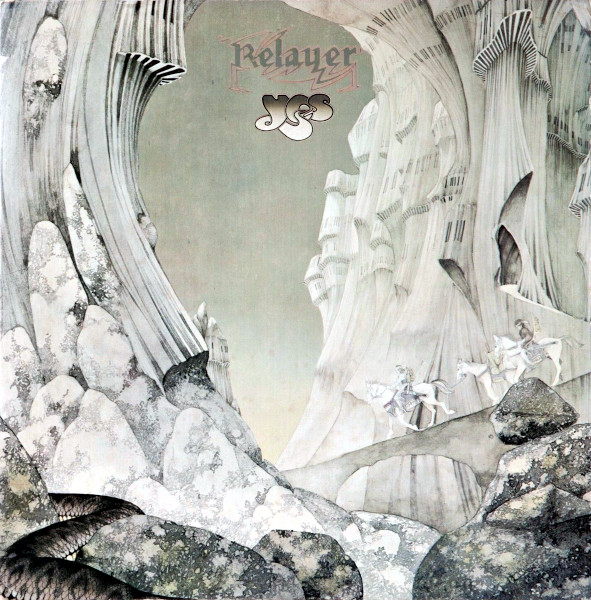
Enter Relayer.

The seventh Yes album, the first and only with Swiss keyboard player Patrick Moraz. I was aware of it at the time, but not really familiar with it. But it was Yes and I was a fan, so I needed a copy.

One day I was the only person in the house and decided that would be a good time to record and listen. See, kids – back in those days if you wanted to record something onto cassette it took as long as the album lasted, so you might as well listen as you went. I wasn’t trying to be clandestine, just considerate.

My parents came home at some point. I’m not sure what attracted my mother, whether the music itself or the cover, but she took a look at the track list on the back of the LP cover.

As you can see, side one is one long piece called “The Gates of Delirium.” My mother was convinced that this twenty minutes of progressive rock madness could only be about one thing – drugs. For whatever reason, she decided to put her foot down and stop me from listening to/recording any of it. I still don’t know why – my house growing up was not exactly censorial and I got exposed to a lot of stuff I was too young to understand, from George Carlin to Monty Python (remember, two older brothers!) and, as I mentioned, Frank Zappa! None of this was an issue with my mother but, for some reason, “The Gates of Delirium,” that great ode to the power of drugs, was a bridge too far.

I didn’t argue with her. As I said, Relayer didn’t mean much to me at the time and I couldn’t mount a credible defense for “The Gates of Delirium,” anyway. Jon Anderson’s lyrics were always what you might call “opaque” – I read somewhere that he was more interested in how words sounded than in what they meant – and I didn’t know, at the time, what it was really about. So I put Relayer away and got on with whatever album was next.

I only later learned what “The Gates of Delirium” was really about – War and Peace. That’s right, in typical prog fashion, Anderson had decided to whittle down a 1200+ page classic of world literature into one side of an album. While I’m certain drugs were involved in the creative process, it isn’t actually about that, much less a celebration of it (as the lyrics make fairly clear – as clear than Anderson typically gets, anyway).

You’d think after all that I’d bear some grudge against my mother for denying me this masterpiece for so long. You’d be wrong! See, the thing is that all of Relayer, and large chunks of “The Gates of Delirium,” are by far the weirdest, most aggressive things Yes ever did and at the time I was trying to record it I didn’t really like it much. When came back to it in college or law school I’d started listening to way weirder stuff and so Relayer didn’t strike me as “too much.” Rather, it hit just the right sweet spot. That it was, in some minor sense, “forbidden” probably didn’t hurt. If I’d lived with it for years by that point, I’d probably just shrugged it off as not for me.

So thanks, Mom, for letting that rarely used overly protective streak come out in this particular instance. It probably led to this becoming one of my favorite bits of Yes music ever.

For Mom . . .

2023 – My Year in Music & Books

Now that the new year is well and truly underway, it’s finally time to take a look back at 2023 (I loathe the “best of the year” lists that start popping up in October). This year I’ve decided to split my thoughts in two, leading off with books and music this week, with movies, TV, and podcasts coming next week.

BOOKS

Going back through my Goodreads data for the past year I was shocked to see that I only read one “new” book that was actually released in 2023, John Scalzi’s Starter Villain.

It’s about what you’d expect from Scalzi these days, a fun, quick read that succeeds in doing what it sets out to do, which is entertain. The setup involves an everyman who finds out that his deceased uncle was part of a Dr. Evil-style collection of global supervillains and he’s been picked to take his place. There are a lot of hilarious ideas (not just talking cats as you might expect from the cover, but talking dolphins with labor issues) and snappy dialogue, but I kind of wish the main character had been a little more seduced by the “dark side.” He never really has to grapple with whether to be a villain. Nonetheless, recommended if you’re into that kind of thing.

What of older books I read last year? There were several good ones.

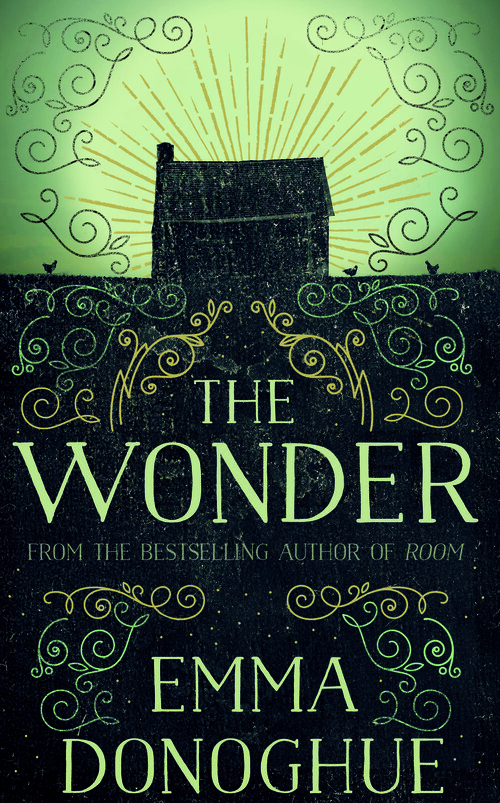
The first is kind of a cheat, as I mentioned the film adaptation in my round up last year, The Wonder by Emma Donoghue, from 2016.

Lately I’ve taken to watching a movie or TV series based on a book and then going back and reading to book to see how they compare. I’m of the “books and movies/TV shows are different” camp, without one being better than the other, necessarily. That said, the novel here has some interesting layers, thanks to the point of view, that the movie couldn’t really get into. As someone who, in my day job, sometimes has to meet delusional people on their own ground in order to represent them, the struggle of the rational, scientific main character here to connect with the religiously-minded family she’s inserted into really worked for me.

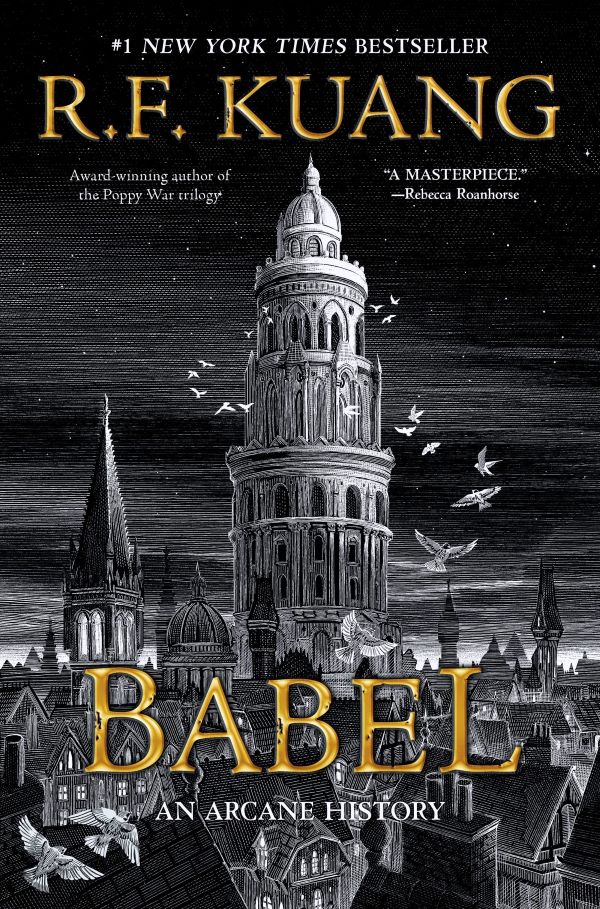
The other most interesting work of fiction I read last year was R.F. Kuang’s Babel, from 2022:

I wrote a bit about it here. The more distance I’ve had from it the more I liked it, which is always a good sign. Plus, the magic system Kuang uses there informed the one I have in my current WIP, so it was definitely an influence.

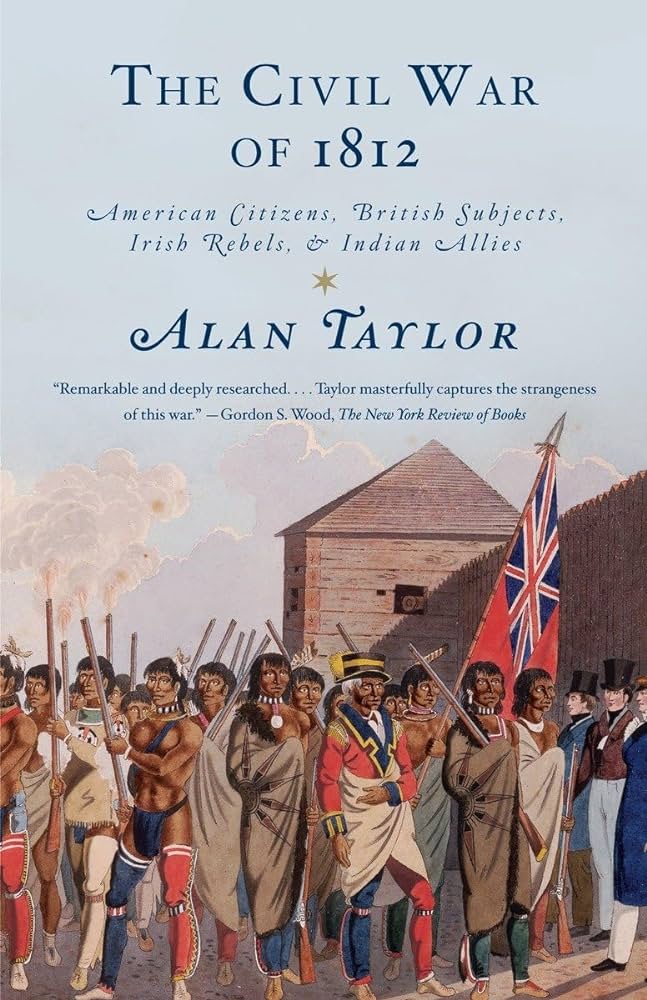
As for nonfiction, I had several runs of multiple books on the same topic – World War I, the French Revolution & Napoleonic Wars, the recent history of Israel/Palestine – one of which was the War of 1812, generally considered an “unknown” war here in the United States. My favorite read of that bunch was The Civil War of 1812, by Alan Taylor (from 2010).

Taylor’s thesis is that the United States’ northern border with Canada (still a British colony at that point) was really more of a concept than a reality at the time, with a large population of British loyalists from the US fleeing into Canada after Revolutionary War. As a result, there were families pit against each other, former business partners, etcetera, in what was a really nasty conflict. A different perspective, which is always important for history.

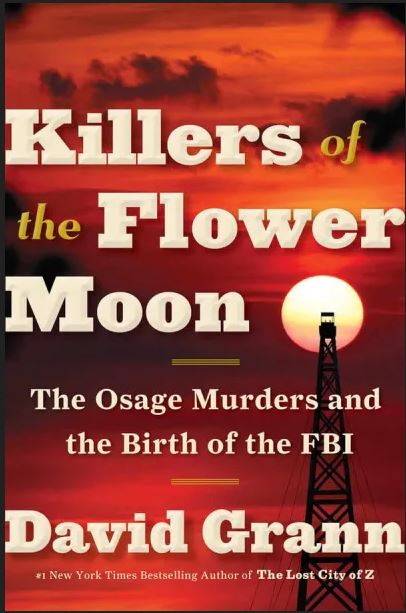
The other non-fiction highlight for me was David Graan’s Killers of the Flower Moon from 2017.

Of course, this was because of the impending release of Martin Scorsese’s film adaptation, which I haven’t been able to see yet. I know the movie’s not organized in the same way as the book and for good reason. For two-thirds of its time Killers is an interesting exploration of murder cases of the Osage and the struggle for oil money. It’s in the last third, however, that we see that the story Graan has told thus far isn’t unique or extraordinary – it was very much business as usual all across Osage territory. It was a slow motion ethnic cleansing and it happened within the lifetimes of many. 

MUSIC

Thankfully, 2023 itself was  little more robust when it comes to music, as there were several excellent releases that caught my attention from the year.

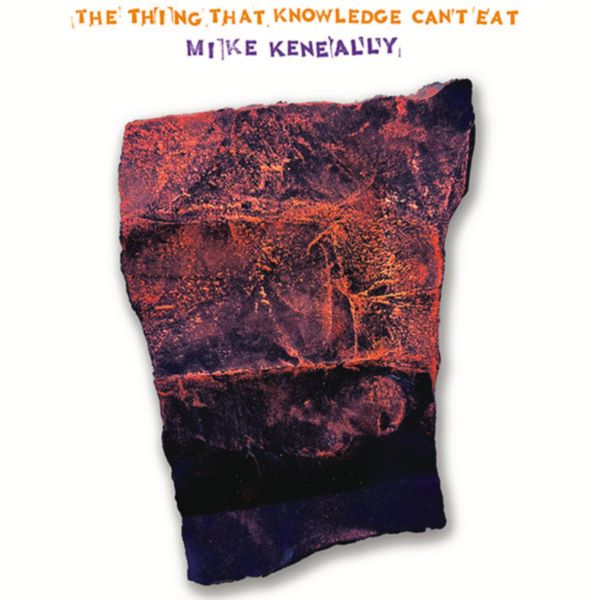
The first of those is the long-awaited new solo album from Mike Keneally, The Thing that Knowledge Can’t Eat.

This is the kind of album Keneally hasn’t done for a while, just a collection of songs that shows off his amazing range as a player, writer, and arranger. I mean, the thing starts out with a song that’s just layered vocals and sparse piano about the beauty of logos. From there it shifts through art pop, metal riffing (with a Steve Vai guest appearance), and even Zappa-esque big band (with an assist from the Metropole Orkest). What’s more, it all works together. It reminds me of the great Gentle Giant albums where each track sounded different from the others but they all sounded like they belonged together. Appropriately enough, the drummer on the last track, “The Carousel of Progress,” is none other than Malcom Mortimore of . . . Gentle Giant.

The other new album that really grabbed me, to my surprise, is Steven Wilson’s The Harmony Codex.

I probably liked his prior effort, The Future Bites, than most people, but it was really uneven. And when individual tracks from The Harmony Codex started coming out they didn’t particularly grab me. I’m glad I still got the album, but this really is an album that needs to be digested in one sitting. Like the Keneally album it covers a lot of stylistic ground, with the electronic elements blended in more successfully than The Future Bites. This was really a pleasant surprise and it pleases me when someone with so much out there, like Wilson, can still surprise me.

As for “new to me” albums, well, I’m a sucker for great band names (likewise, I’m happy to buy a bottle of wine simply because of a cool label), so when I stumbled across The Helicopter of the Holy Ghost on Bandcamp there was no doubt I was going to check them out.

What I found was a sad, but hopeful, backstory. In 2001, musician Billy Reeves was in a car wreck, which resulted in him spending two weeks in a coma. In 2017, Reeves’ brother gave him a pair of mini-discs that had been in the car with demos Reeves had been working on – only now he had no memory of them at all. Bringing in other musicians to help complete the work, those demos became The Helicopter of the Holy Ghost’s album Afters. As you might expect, the music has a melancholy quality that reminds me in some spots of Robert Wyatt’s solo work. Lots of piano and lush vocals push things along. Good with headphones (or earbuds).

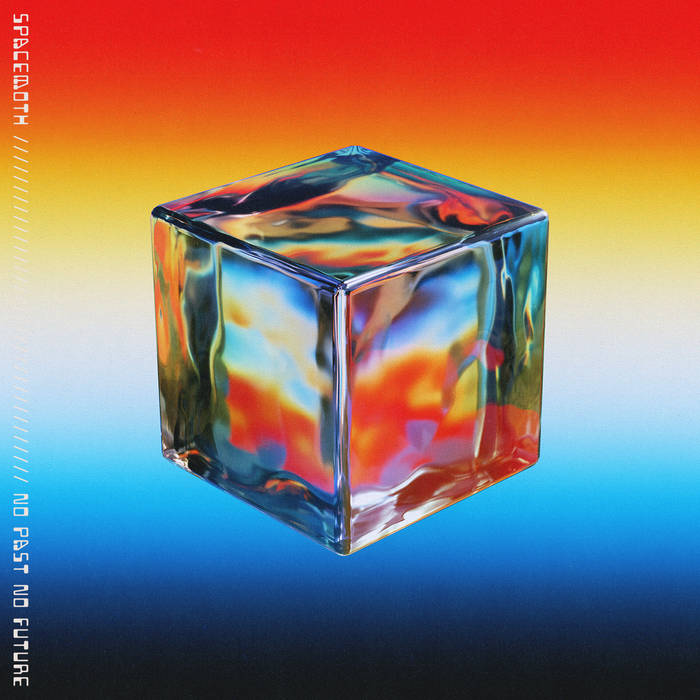
My other Bandcamp surprise for the year was another grower, No Past No Future by Spacemoth.

It starts out as a very noisy, buzzy synth-pop/psychedelic record, which is cool in its own right, but goes on to mellow and stretch out a bit in the second half. By the time we reach the title track and the end you’re in a completely different headspace, although the buzzy edge remains. Very cool and another real album that deserves consideration as such.

That’s it for sounds and words. Next up, them newfangled moving pictures!

Some Thoughts on “2001”(s)

One of my favorite podcasts is Mary Versus the Movies, in which the titular Mary watches a popular movie from the 1980s she’s never seen and then discusses it with her co-host/husband (I think that’s who he is). It’s a fun setup, as each episode starts with what she thinks the movie is about before watching it, which is sometimes hilariously wrong.

On a recent episode the subject was 2010: The Year We Make Contact, the sequel to 2001: A Space Odyssey, directed by Peter Hyams. Of course, it’s impossible to talk about a sequel without talking about what came before, but that’s doubly true of 2010 and 2001, which are completely different types of movies. It’s like comparing OK Computer to Kid A – it’s as much about what the sequel is not compared to the first one as anything. For what it’s worth, I think 2010 is a pretty solid flick, but it pales in comparison to Kubrick’s masterpiece.

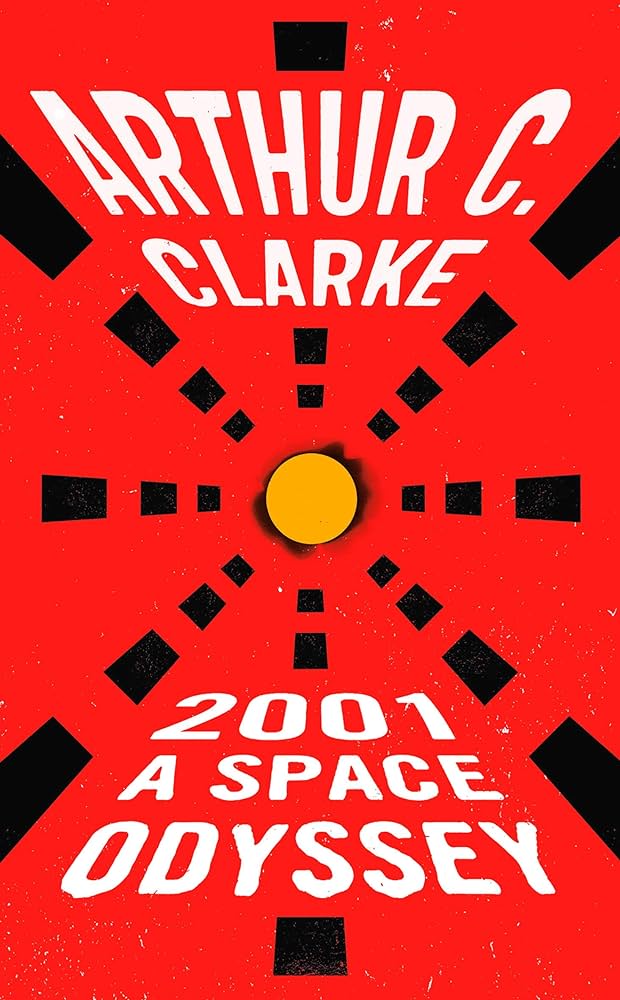
Part of the discussion these movies, inevitably, involved their relation to the books of the same name. That brought to front of mind that I’d never actually read Arthur C. Clarke’s novel 2001: A Space Odyssey. Seemed like as good a reason as any to get it from Audible and give it a listen.

Kubrick is one of my favorite directors and 2001 one of my favorite movies of his, so it was impossible for me to read Clarke’s version of 2001 with completely fresh eyes. It also defies the usual analysis of looking to how the movie “adapted” the book since, in this case, the movie and book developed on parallel tracks – neither was an adaptation of the other. Which is particularly odd since, in terms of what happens, they track each other pretty closely.

The biggest difference from book to movie is the destination of Discovery’s journey. In the book they’re headed to Saturn, but in the movie it’s Jupiter. Apparently the change was due to the effects folks not being able to make Saturn’s rings convincing, so Kubrick moved the destination to Jupiter (ironically, the novel of 2010 – upon which that movie really was based – retconned the story to have them go to Jupiter). There are other minor differences – the monoliths aren’t all black and have particular measurements, we learn why HAL went apeshit, etc. – but for the most part the book is as faithful to the movie as it could be, given the circumstances.

Which is both a blessing and a curse. A blessing because they kind of play into each other and can help folks grasp what’s going on. It’s a curse because that means the main difference between book and movie is the execution and, on that score, Clarke simply can’t compare.

I’ve read some Clarke before, including Rendezvous With Rama, which is another one of his classics. It’s got a great idea at the core – an alien object enters the solar system and a research crew goes out to meet it. The book is basically their exploration of this vast ship. I found it pretty dull, without any real character development or emotional pull into the story. The exploration itself was, I’m sure, rigorously scientific and accurate, but for me there was no “there” there.

A lot of 2001 feels the same way. There are long stretches where Clarke describes the nature of space travel and how everything works that were probably fascinating back in the 1960s when this was all new but didn’t do anything for me. For instance, there’s a chapter where the Discovery crew tries to closely observe a passing asteroid – there’s no threat or danger, no chance that something will go wrong, just a chance to exercise some scientific curiosity. That’s a great thing! It just doesn’t make for compelling fiction, necessarily.

Of course, a lot of the movie is fairly slow and not exactly action packed, but the visual and audio work Kubrick does makes that work, creating a sense of deepening isolation as Discovery plows further on. Clarke tells us the numerical details of that isolation, but doesn’t show it in a way that creeps into your bones. That said, some of what works best for me about Clarke’s writing comes in the parts that are hardest to conceive of being written on the page, namely the stuff with the apes in the beginning and the whole “journey into the infinite” in the end.

Another area where the novel falls down are characters. None of them are particular interesting and exist mostly to talk about Clarke’s tech stuff and move the plot along. The movie isn’t much better, but it has one redeeming aspect in this area – HAL.

In both the book and movie HAL slowly goes crazy and starts killing people. As I said, the book tells us why (2010, the movie, does that, too), which takes some of the mystery and terror out of it. HAL comes across as a problem to be solved (and fairly quickly, at that) rather than a sentient, malevolent being.

The movie’s HAL, on the other hand, is one of the most chilling characters every to grace a movie screen. Not for nothing did HAL rank 13th on the American Film Institute’s list of greatest movie villains. The cold precision with which HAL goes through everything makes what he does so terrifying. Yet, the scene where Bowman shuts HAL down and he starts to sing is heartbreaking. Those scenes on the written page just don’t pop in the same way (I’m not sure any writer could have made them compete).

As for the endings, well, I think it depends on what you want out of your fiction. Clarke’s ending makes much more “sense,” in that he largely lays out precisely what’s happening, and it’s done fairly well. Again, though, it’s hard to top the movie’s visual/aural mindfuck that spits you out on the other side more bamboozled than before. Probably because I came to the movie first I prefer the ambiguity. It has that “what the fuck?” quality I talked about a few weeks ago that I dig in art sometimes.

It’s generally a fool’s errand to look at a book and a movie based on it (or vice versa) and determine which one is “better.” The written word and film are different mediums that reach the soul in different ways. What works well on the page might not on the screen (and vice versa). That’s doubly true with 2001. I can’t say the movie is “better” than the book, but I can say I prefer it. It transports me in a way Clarke’s prose doesn’t and leaves more of a lasting impression. Still, I’m glad to have read the book, if only to again realize how fruitless such comparisons are.

And neither of them are as groovy as Mike Keneally’s “2001,” anyway.

When Copyright Kills

A couple of weeks ago John Oliver pointed out that the original version of Mickey Mouse is about to slip into the public domain and out of copyright control. Naturally, he has plans for this, but it’s worth remembering that the last time Steamboat Willie was in danger of passing out of copyright control Congress snapped into action and extended the term for copyright protection. I haven’t seen anything indicating they’re going to do it again, but I wouldn’t be surprised if the idea was at least floated (probably without success, given the current GOP jihad against Disney), particularly given what’s happened to poor Winnie-the-Pooh.

As a writer and musician I’m a fan of copyright. The basic idea is that allowing the producers of art to have a monopoly on its sale and distribution incentivizes the creation of more art. But there’s always been a question of how much copyright is too much and when works should move into the public domain and be free for adaptation by others. The Copyright Act of 1790 established a 14-year copyright term, renewable for another 14 years, but those terms were doubled in the 19th century. Then between 1976 and 1998 (when The Mouse roared) terms ballooned to the current life of the author plus 70 years or 120 years if a it was created by a corporation. So in the brief life of the United States we’ve gone from copyright that expired while the creator was not only still living but probably still creating to a term that runs for decades.

Weird things happen when copyright terms run so long that they outstrip the lives of the work’s creators. Recently there’s been controversy about changes to books by the likes of Roald Dahl and Agatha Christie to better reflect modern sensibilities (I talked a bit about the issue here). What’s interesting is that both authors made such changes in their lifetimes, presumably without much fuss. What makes it seem wrong now is that it’s not the authors making the changes but their current copyright holders, who didn’t create a thing. Without lengthy copyright terms that extend beyond the lives of those authors this wouldn’t be an issue – anybody who wanted to could publish the original versions or whatever bowdlerized versions they wanted.

Thanks to this in-depth video, I recently learned about another problematic case of long-term copyright. Remember “Down Under,” by Men at Work? Particularly the flute riff that repeats several times during the song? 

Released in 1981 it was a huge international hit, hitting number one in the US and UK. It wasn’t until 2007 when a TV quiz show noticed that part of the flute part matches almost perfectly the melody of “Kookaburra Sits in the Old Gumtree,” a popular Australian song. After the show aired, people called the company that held the copyright to “Kookaburra” about the similarities, resulting in a lawsuit against Men at Work and their record company for infringement. The company won, a result which Colin Hay has suggested helped speed flautist Greg Ham’s depression and death (Ham played the famous riff, but wasn’t actually one of the listed songwriters).

What makes the “Down Under” story so concerning is that this wasn’t a situation of the writer of “Kookaburra” herself, or even her descendants, making the claim, it was a company that bought the rights at auction after her death. It was purely a commercial maneuver and could not have contributed in any way to encouraging the writer to create more art (her being dead, after all). And while the riff has become fairly iconic, it’s hardly essential to the song, providing a little bit of extra flavor in the arrangement.

Questions on the persistence of copyright always bring me back to Spider Robinson’s Hugo-award winning story “Melancholy Elephants.” It’s that rarest of beasts, a sci-fi story about the law. In this case, it’s about a proposed law that would extend copyrights indefinitely, and the widow of a famous composer beseeches a legislator to not pass the bill – even though it would financially benefit her. She makes the point that there are only so many combinations of notes, rhythms and such out there (echolyn’s “Suite for the Everyman” covers this with sections titled “Only Twelve” and “Twelve’s Enough,” respectively) and if they’re all placed off limits for future composers people will eventually stop making new music.

The same is true for stories, whether they’re written in books or told on screens. New writers often worry about sharing ideas for stories, unaware that pretty much no “idea” is new. What makes a story worth writing is what you want to say with it, not what others have already said. Not only has Romeo and Juliet given birth to adaptations as diverse as West Side Story, a ballet, and a Dire Straits song (which produced its own amazing Indigo Girls cover!) – it was based on a history of similar stories dating back centuries. The idea of Romeo and Juliet was not new – Shakespeare’s presentation of it was.

It was Picasso who said “good artists borrow, great artists steal” – and even that wasn’t an original thought. That’s probably a bit flippant, but the core of it is true. Every creative person is the sum of their influences, the things they’ve read, heard, or seen. Placing those things eternally off limits will do more to stifle that kind of creativity than it will to encourage creators to create in the first place. Killing off creative endeavors altogether is probably too high a price to pay for some author’s grandchildren being able to live of their book sales.

As in nearly all things, balance is key. It’s just that I’m not sure we’re particularly well balanced at the moment.

Is Art the Stuff Nobody Needs?

We’ve all sat through movies, or slogged through books, that are too damned log. Did Uncut Gems really need two hours of shouty Adam Sandler? Wouldn’t 90 minutes have done the trick? Do any of the Song of Ice and Fire books need those long descriptions of food?. Couldn’t most of those Netflix true crime documentary series be cut to a feature length doc rather than four or five TV episodes? Isn’t in the obligation of the creators of these entertainments to be as efficient as possible?

Not so fast, argues author Lincoln Michel. Last month he made a strong argument that it’s the “unnecessary” stuff that makes art worth doing. I’m not sure that he’s completely correct, but he’s certainly not wrong.

Michel references people who complain about scenes of sex or violence, or, most hilariously, “those damn whale chapters” in Moby Dick, because “they don’t move the plot along.” Dubbing these folks “consumers” rather than readers, he suggests that their “ideal story seems to be a Wikipedia plot summary.” This might have many causes, from a modern obsession with efficiency to artists seeking short cuts to satisfy an increasingly fragmented audience.

For Michel, this is not a good thing:

Yet I would like to humbly suggest this thinking is entirely wrong. The unnecessary is most necessary part of art. Art is exactly the place to let your eye linger on what fascinates it. Art isn’t an SEO optimized app or a rubric for overworked teachers to grade five-paragraph essays. Art is exactly the space—perhaps the last space left—where we can indulge, explore, and expand ourselves. If we can’t be weird, extraneous, over-the-top, discursive, and hedonistic in our art, where can we be?

While recognizing that the seemingly extraneous stuff can have meaning in the work (by deepening understanding of a character, for instance), Michel goes so far as to claim that “I don’t believe art has ‘a point.’” In other words, for Michel, art is about the journey itself, not the destination and the tangents and dead ends that are explored along the way are as much a part of that as the jaunt down the proverbial Yellow Brick Road.

I like a lot of what Michel is saying here. I write fiction, but I also write briefs and other legal arguments in my day job and in that role, there is no doubt, brevity counts. Lawyers are famously long winded, I know, but you really want to convince the judge (or law clerk) reading your brief in the most efficient way possible, so you trim down the issues, trim down the facts to the bare minimum.

Fiction can certainly be different than that, but does it have to? I’m reading a book right now (no names – I’m not finished yet and it might turn around on me) that has a great idea at its center and would make for a really good short story or novella, but as a novel there’s just too much padding. What should be tense and horrific is instead kind of dull and plodding.

In a way it reminds me of the bloat albums went through when CDs took over as the main music format back in the 1990s. Whereas single LPs couldn’t handle much more than 45 minutes of music without quality issues, CDs can run all the way up to almost 80 minutes (a time chosen, apocryphally, so as to allow for the inclusion of all of Beethoven’s Ninth Symphony on one disc) and lots of artists took advantage of that. Here recently we’ve seen albums shrink again, back to where they were in the LP days and that seems generally like a good move.

That said, some of my favorite albums of that era are full to bursting and I wouldn’t have it any other way. Marillion’s Brave trimmed down to fit on one LP would be a travesty. I wouldn’t shave a moment off of the early Mike Keneally albums, all of which push the boundaries of CD capacity. And to the extent that other albums have filler, that doesn’t really diminish from the enjoyment I get from the really good stuff.

Heck, progressive rock writ large could be thought of as a celebration of what is “unnecessary” for rock music. Rock and roll, after all, is supposed to be direct, to the point, and emotionally blunt. Prog flouted that ideal, most obviously in songs that sprawled across entire albums sides (or more!), rather than be limited to 3 minutes or so. It’s that embrace of the excess, the unnecessary, that I love about prog.

That said, there’s an awful lot of lengthy prog that does nothing for me at all, same as books or anything else. Michel recognizes this, following his discussion of a favorite novel of his that is “plotless and essentially character-less” with the recognition that “[o]f course, it might not be interesting to you. If you don’t enjoy an artist’s vision, that is of course well and fine.” The problem, he argues, is transferring that personal dislike to objective truths about the quality of a work.

With that I agree 100%. As I’ve said here before, the reaction to art is inherently personal and what is one person’s work of genius is another’s pretentious twaddle. Where I part company, I guess, with Michel is that when I hear people say something is boring or slow or has unnecessary parts what I’m hearing is that the art, whatever it is, isn’t working for them and isn’t interesting to them. Because I don’t think there are objective truths about art I don’t take any one person’s reaction to any particular piece of it as being an attempt to deliver any truth other than their own. So I wouldn’t be as hard on people who think parts of books or movies or whatever are “unnecessary” because, to them, they are.

What’s most important, in the end, is that, as Michel concludes, there are spaces where artists and those who experience art can be free to be as excessive and unnecessary as they want to be. Not every work of art is for every taste and that’s not only okay it’s fucking fantastic. Find what you love and dive into it, then hope whoever is making it is willing to explore the unnecessary or the “boring” because when they do it you might think it’s the best thing ever. And creators – keep in mind that not everybody is willing to follow you down your creative cul de sacs – but I bet some folks will.

2022 – My Year In Media

Looking back on the various media items I consumed the past year – I really need to keep better track of some of them – I was looking for some kind of trend or meaning for what stuck with me. Alas, there really isn’t any, so here’s just a collection of interesting things, both new for 2022 and new to me for 2022.

Music

I didn’t get to sample a whole lot of “new” music in 2022, but it’s unlikely that any would have perched higher in my soul than Marillion’s latest, An Hour Before It’s Dark.

Grappling with COVID-induced lockdowns and fears (which vocalist/lyricist Steve Hogarth initially said they weren’t going to do), the album manages to both dredge up some of the worst of it and still end on a beautiful, hopeful note. It’s not as great an album as Fuck Everyone And Run, but that’s not much of a criticism. That the band has been at it so long and is still so good is either inspirational or enough to make you give up. Either way, I can’t wait for the next one.

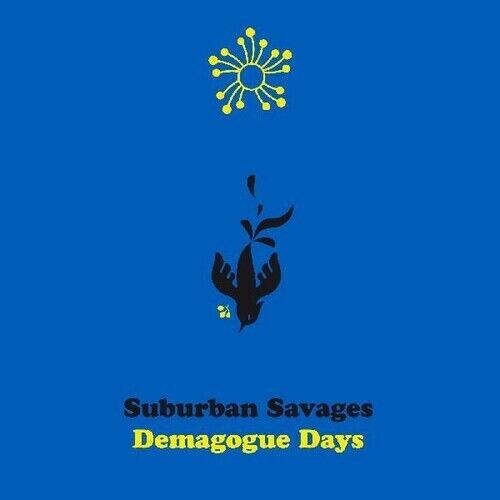
In terms of “old” stuff, the complete out-of-the-blue find I had in 2022 was Norwegian band Suburban Savages and their 2021 release Demagogue Days.

Stylistically they’re hard to pin down, with a foot each in surreal Canterbury-style progressive rock and the other in the more avant garde side of things. There’s also a lot of great synth work, which naturally attracts my ears. The title track may be the catchiest use of 7/4 since “Solsbury Hill,” too!

Movies

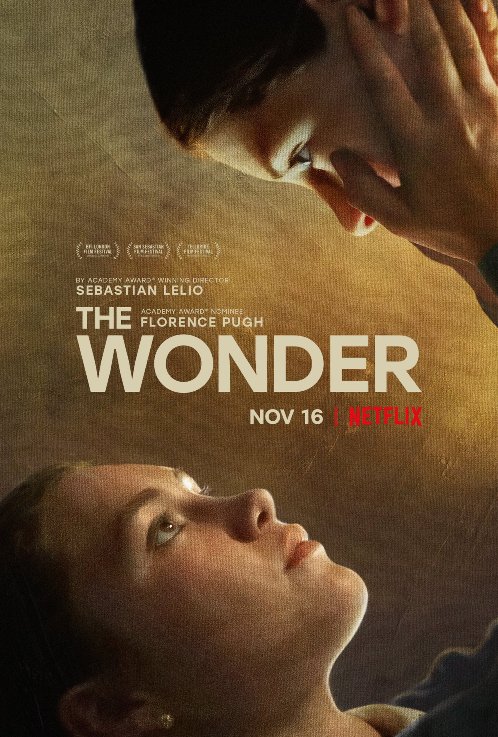
The wife and I still haven’t seen a movie in the theater since COVID hit (more out of inertia more than anything else, I think), so I didn’t get to see a lot of “new” movies in 2022, although we did get to catch up on several big-name flicks over the holidays, most of which (Nope, Glass Onion, etc.) were solidly “meh” in my mind. The standout from 2022, for my money, is The Wonder.

It’s a small, quiet film about an English nurse in post-famine Ireland who is brought in to observe a teenage girl who allegedly is surviving without eating anything. It’s no spoiler to say she’s not what she appears, but the way those around her deal with it are fascinating. The movie has a creepy atmosphere that doesn’t really read “horror,” but makes it feel that way anyway.

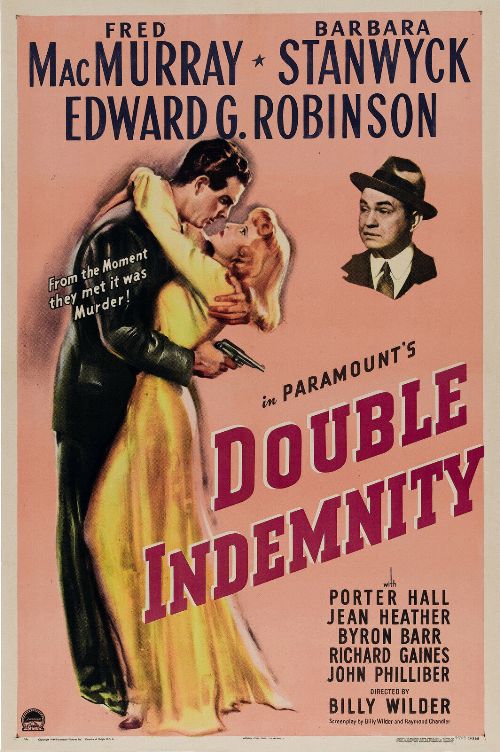
For some reason, in 2022, I decided to regularly take a look at the offerings on Turner Classic Movies. As a result, we wound up watching a lot of movies from the 1930s and 1940s, classics that I’d never seen before. Top of the heap for me was Double Indemnity, the 1944 noir classic directed by Billy Wilder.

It’s a pretty sleazy tale for the middle of Code-era Hollywood, but everybody gets theirs in the end, so I suppose that’s justice. All I know is that it’s a ball to watch the plotting and scheming unfold. You can see the DNA in a lot of modern thrillers in it.

I also wanted to give some love to a pair of documentaries I saw this year that dealt with overlooked aspects of music history.

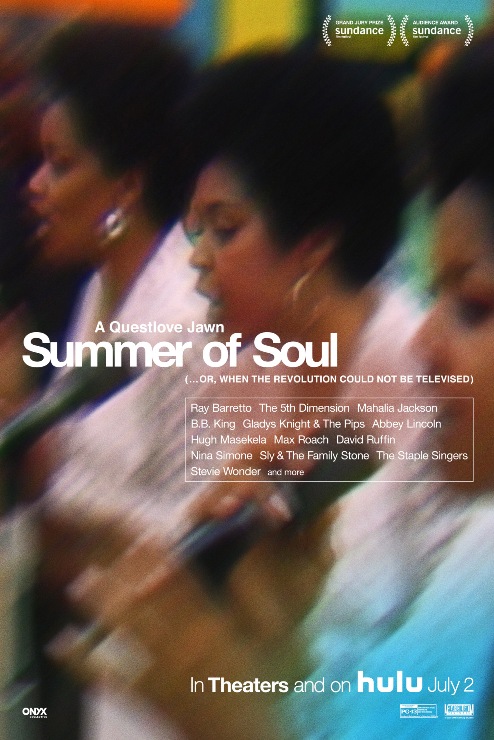
The first, which hardly needs my approval (it won an Oscar, after all), is Summer of Soul, directed by musician Questlove.

It’s about a series of concerts held in Harlem during the summer of 1969, the same year as Woodstock (which overshadowed these shows in the popular conscience). A lot of them were recorded for proposed TV specials that never really happened, so there was a rich treasure trove of performances from the likes of BB King, Stevie Wonder, and Nina Simone. But the movie also gives a lot of context for why these concerts were such a big deal at the time, along with modern feedback from several attendees (and a few performers).

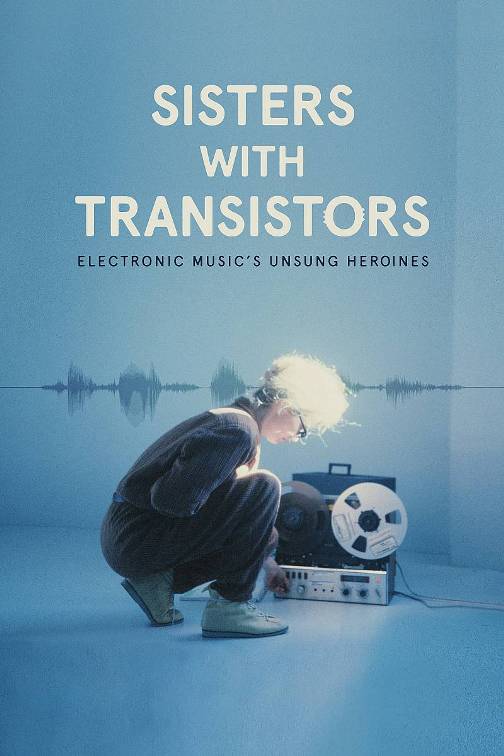
The other gets at the overlooked contributions of women to the development of early electronic music, Sisters With Transistors.

It focuses on real pioneers, including Delia Derbyshire (responsible for the Dr. Who theme, the assembly of which is amazing) and Wendy Carlos (of Switched on Bach fame), so lots of cool archival footage.

TV/Streaming

Looking back I’ve already written a lot about some TV shows in the past year, with some thoughts on the finale of Better Call Saul, the first season of Star Trek: Strange New Worlds, and the fascinating documentary series The Most Dangerous Animal of All. I wanted to highlight a few others, too.

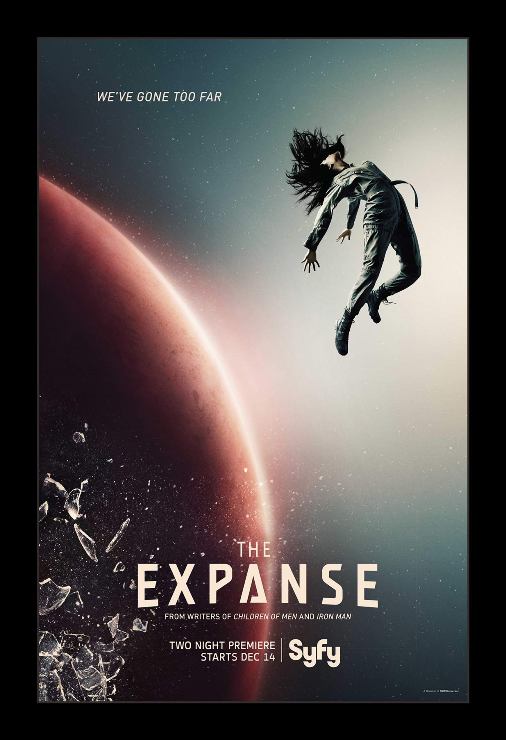
First, exiting the stage along with Better Call Saul was, for me, the best sci-fi series of its generation, The Expanse.

As it happens, I read the first book in the series (which I highlighted in my list of favorite recent books last year) before the TV show started so I was already primed to like it, but the adaptation was really excellent. Maybe it lacked swoopy spaceships, but it had compelling characters dealing with real human issues against a backdrop of an existential threat to our species. They didn’t even bowdlerize Avasarala!

One that both came and went in 2022, in that it won’t get a second season, is Archive 81.

Based on a podcast (which does continue past this only season), it’s about a guy hired to digitize a series of videotapes that pull him into a mystery/conspiracy involving a cult and a huge apartment fire decades before. It’s creepy and atmospheric and the cult aspect actually works better than I thought it would. I think the season could stand on its own, but there was clearly an expectation of more given the ending. Oh well.

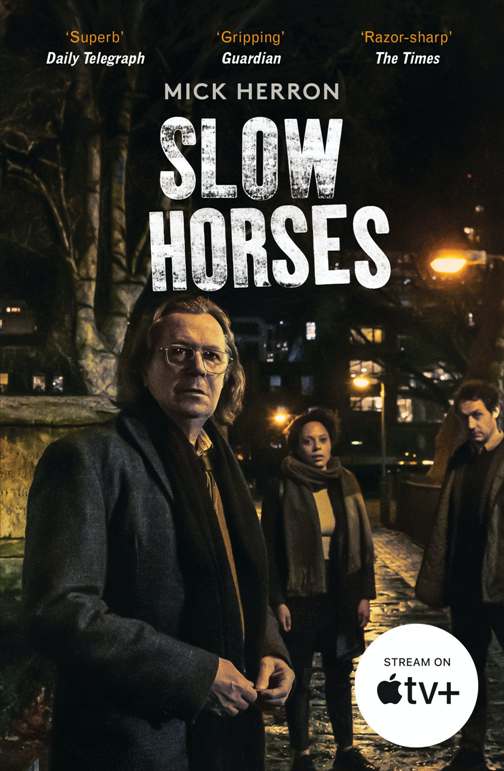
Hopefully, since we’ve already gotten two (short) seasons, we won’t be denied more of Slow Horses.

Based on the books by Mick Herron, the series is about a clutch of essentially exiled British intelligence agents who either are, or are perceived to be, useless fuck ups. Until somebody thinks they might be useful and then the shit hits the fan. I read the first book before diving into the series and the adaptation was incredibly faithful, right down to Jackson Lamb’s championship flatulence.

Books

I loved Susanna Clarke’s Jonathan Strange & Mr. Norrell when it came out and had kind of given up on getting anything else from her when Piranesi appeared in 2020.

It took me a couple of years to get to it, perhaps worried that the slighter volume wouldn’t measure up to its predecessor. I shouldn’t have worried. It’s a beautiful, expertly crafted book and completely different from Strange & Norrell. If you’ve heard people praise Clarke’s work by find the first book’s length a bit daunting, start here. You won’t be disappointed.

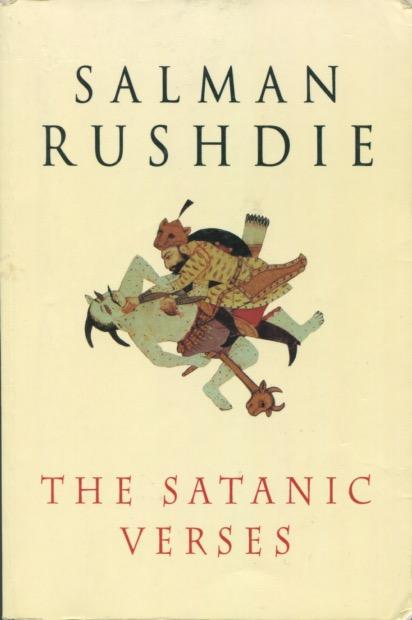
After Salman Rushdie was cowardly attacked in New York in August I finally decided to jump into The Satanic Verses.

It was, admittedly, a lot, with a narrative that jumps all over the place in terms of time, place, and tone. Beyond that, Rushdie isn’t exactly sparse with words, spinning sentences that sometimes seem to wrap around you two or three times before the period comes. I found it challenging and exhilarating all at once.

Finally, 2022 was the year I finished up the saga of necromancer Johannes Cabal, with The Brothers Cabal and The Fall of the House of Cabal.

I had a couple of quibbles (I don’t find the fictional nations in the middle of otherwise recognizable Europe very compelling), but overall it was a great ending to the tale of one of my favorite characters. Johannes is deeply cynical, but also funny and honest. You may not like him, but it’s hard to argue with him (to borrow a phrase from Clerks, “he’s blunt, but he makes a point”). The story of his brother, Horst’s, struggles with being a vampire were a fresh take on that theme.

Podcasts

In spite of hosting one, I haven’t really been a podcast listener until this year. For the most part I cherry pick episodes here and there on things that interest me, but there are a couple that became more regular listens this year.

The more entertaining of the two is Discord and Rhyme.

It’s a podcast in which a rotating cast of young(ish) music writers gather to talk through one of their favorite albums. What drew my attention when I was scanning through the back episodes was how many of them involve progressive rock (and adjacent) bands. It’s heartening to hear people not raised in the early 1970s who genuinely like that kind of music (most of them have parents to blame). But even on other albums what works the best is that they’re all coming from a place of love (or at least like) for particular albums, so the talk is engaging, informative, and enthusiastic. It’s much more fun to praise something you love than to tear down something you don’t.

The more aggravating of the two was Hoaxed.

A six-episode podcast, it dives into an incident from the UK in 2014 in which two children accused their father of being part of a cult of devil-worshiping pedophiles. Shades of the 1980s Satanic panic when the kids recant and it turns out that they were put up to it by their mother and her very odd boyfriend. That’s enough to hook you, but the story goes on to cover the backlash against the community when the charges fell apart and whether anybody will ever be held accountable for the damage done. It’s like a QAnon story in miniature. All right – bring on 2023!

Art Isn’t Easy, But It Must Be Human, Right?

Like most writers (I think) I have way more ideas than I can handle, meaning that promising concepts often languish for years while I work on other things. You always think there will be time to go back and develop the good ones, but that might not be true. The sudden explosion in art generated by artificial intelligence makes me think a future I dreamed up years ago is here now, for better or worse.

The idea I had was that a group of computer scientists had built a super computer that, when fed with enough examples of a particular kind of art, could then produce the “perfect” example of whatever it had been fed. The computer, at the time the story would have started, had already written a best-selling mystery novel and created some impressive visual art, too. For its next project it would take on music, leading the cranky main character to show the world that music was a human endeavor that machines could never match. I actually started this story a couple times, but it never got very far.

If I were to try and finish it now it would become more historical fiction that sci-fi, as AI art is really getting its moment in the sun. I’d seen some people on Twitter playing around with various programs where you give it a text prompt and it produces a picture. Some of them were kind of neat, others were horrifically creepy in an unintentional way. It all seemed like a lark until somebody took one to a state fair.

A guy named Jason Allen submitted an artwork called “Théâtre D’opéra Spatial,” which, from the presentation of it in this New York Times article, looks like something from a sci-fi or fantasy cover from the 1970s or 1980s. That’s no criticism – it’s pretty cool and I could see it prompting some interesting stories.

Allen submitted the work in the Colorado State Fair’s art competition, specifically in a category for “artistic practice that uses digital technology as part of the creative or presentation process.” The “digital technology” in this case is an AI program/website called Midjourney. It and similar setups work this way:

Apps like DALL-E 2 and Midjourney are built by scraping millions of images from the open web, then teaching algorithms to recognize patterns and relationships in those images and generate new ones in the same style. That means that artists who upload their works to the internet may be unwittingly helping to train their algorithmic competitors.

In other words, a user like Allen feeds text inputs into Midjourney, which then comes up with an image attempting to match the prompt. The process itself sounds like it could be excruciating, tweaking terms one word at a time to see what impact it might have on the final process (as someone who does that with legal search terms every day, I sympathize).

As an experiment, I found a freebie one of these to play around with. I fed it “Attack ships on fire off the shoulder of Orion” and got back these:

Pretty nifty, huh?

All of this would have had the air of a neat experiment or side story, had Allen and his work not won the category (and the $300 that went with it). For what it’s worth, I think Allen is clearly right that he didn’t break any rules. They apparently didn’t define “digital technology” to exclude AI or to only include tools wielded by humans on art they created, so good on him for exploiting the loophole.

But that isn’t the real question. The issue that has people upset about Allen’s win is whether his AI-generated painting is really “art” at all and what it means for human artists. The objections seem to break down along two lines.

The first is, well, that machines just can’t make art or, rather, “art” made by machines lacks something that human-made art does. As someone who at least tries to make art, of the written and aural variety, I’d like to think there’s something to this. On the other hand, as someone who makes electronic music specifically, I’m well aware of the history of musicians (and others) panicking at the onset of some new technological advance. British session musicians in the 1960s were initially super pissed at the Mellotron, one of my favorite instruments, because it was going to put them out of work. It didn’t, of course, because Mellotron strings or flutes or voices never sound quite real, which is part of its charm. Sequencers and drum machines, too, got similar hate for not being “real,” which ignores the fact that what makes them interesting is that they don’t sound “real” in the first place.

But in those examples there’s still a human being pushing the buttons, doing the work. But isn’t that what Allen did? He apparently tried numerous strings of search terms before getting images he liked, tweaking them as he went along. Is that so different than finding a synth patch you like, then using the tools of the synth to shape and sculpt it into something unique and personal? It’s not as if Allen sat down, had a conversation with the AI about what he was looking for, and the AI went away and created. All is doing was responding to prompts Allen gave it which is, for practical purposes, all any artistic medium does.

 The second objection feels more immediately justified, but doesn’t quite hold up under close scrutiny. As I said earlier, these AI image generators work by “scraping” millions of images already on the internet and using them as grist for the images the AI generates. This, to some, sounds a little like machines stealing the work of real human artists. Admittedly, I’d be pissed off if I found out some AI writing thing had scraped some of my stories as fuel for its work. But is that gut reaction reasonable?

After all, what are artists if not meat machines that absorb as influences the works of those who came before them? There’s even a well-known saying to the effect that “good artists copy, great artists steal,” although who said it is a mystery (I heard it from Zappa first, I think). Granted, a computer algorithm can absorb a lot more data than a human brain can in a lifetime, but does that make a difference? We’re hashing that out in the legal realm with regards to the Fourth Amendment and whether computers doing what police would never have the time to do themselves raises questions about the constitutionality of searches. Is the difference between Allen feeding the AI prompts and sitting down with a human artist and saying “here’s the kind of stuff I like, can you do one in that style?” one of kind or degree?

Which is where, I think, humans have it all over machines. As slick as any AI is, all it can do is what people have programmed it to do. A machine has yet to wake up one day and decide “I’m going to paint a flower.” I’m not sure they ever will, although I’m not sure I’d bet against it. There’s something to be said for humanity for having the creative urge in the first place.

Ultimately, this issue is one more in the long line of humans worrying about becoming obsolete. Machines and computers do more and more of our jobs. They’re getting to be a bigger part of law enforcement. And now they’re coming for the arts. It was probably inevitable. It’s worth shifting, then, to wondering not whether AI can make art, but whether it can appreciate it. Show a group of humans the same painting or movie or play for them the same song and you’re likely to have numerous reactions to it. Maybe it’s the reaction, not the creation, that is indelibly human?