Nothing substantive this week as I’m finishing up a short story for submission to an anthology about lesser-known cryptids of Appalachia. No spoilers, but I can at least mention the beastie that’s involved:
Back next week!
Nothing substantive this week as I’m finishing up a short story for submission to an anthology about lesser-known cryptids of Appalachia. No spoilers, but I can at least mention the beastie that’s involved:
Back next week!
Many many years ago, there was a Bloom County cartoon in which Opus learns of new companies that allow you to freeze-dry a deceased pet and keep them around forever. His reaction was a tad overwrought:
Or at least I always thought it was. More and more, however, it’s becoming clear that we can’t just let the dead be dead, we’ve got to keep bringing them back to serve various agendas.
The most alarming recent case came out of a court in Arizona. Christopher Pelkey was killed during an incident of road rage and Gabriel Horcasitas convicted of his manslaughter. It’s pretty common in such cases to have victims (or family members of victims) give statements to the judge before sentencing about what has been lost due to whatever crime the defendant committed.
Horcasitas’ sentencing went a step further:
Ms. Wales, 47, had a thought. What if her brother, who was 37 and had done three combat tours of duty in the U.S. Army, could speak for himself at the sentencing? And what would he tell Gabriel Horcasitas, 54, the man convicted of manslaughter in his case?
The answer came on May 1, when Ms. Wales clicked the play button on a laptop in a courtroom in Maricopa County, Ariz.
A likeness of her brother appeared on an 80-inch television screen, the same one that had previously displayed autopsy photos of Mr. Pelkey and security camera footage of his being fatally shot at an intersection in Chandler, Ariz. It was created with artificial intelligence.
“It is a shame we encountered each other that day in those circumstances,” the avatar of Mr. Pelkey said. “In another life, we probably could have been friends. I believe in forgiveness and in God, who forgives. I always have and I still do.”
Reporting on the hearing has been really bad – that article quotes the defense attorney as stating (perhaps correctly) that given the wide latitude judges have at sentencing that there’s probably nothing legally wrong with it, but he also says that an appellate court might find it to be reversible error – but it’s unclear whether an objection was lodged, so who knows? Regardless, Pelkey’s reference to forgiveness beyond the grave didn’t seem to move the judge any – Horcasistas got the maximum sentence.
I can sympathize with using AI to bring a dead loved one back to life to hear them make their own plea for justice (I also think it’s ghoulish and I’ve never been a big fan of victim impact statements, but at least feel for those involved). That’s a lot harder to do when it’s part of a cynical cash grab at the expense of a dead person’s reputation.
BBC Maestro is the British broadcaster’s version of Masterclass, in which you pay to access video lectures by big names in their given fields. When it comes to mystery fiction is there a bigger name than Agatha Christie? Ah, but she’s dead. That’s no longer a problem! Thanks to the “magic” of AI and some desperate descendants:
Agatha Christie is dead. But Agatha Christie also just started teaching a writing class.
“I must confess,” she says, in a cut-glass English accent, “that this is all rather new to me.”
* * *
She has been reanimated with the help of a team of academic researchers — who wrote a script using her writings and archival interviews — and a “digital prosthetic” made with artificial intelligence and then fitted over a real actor’s performance.
“We are not trying to pretend, in any way, that this is Agatha somehow brought to life,” Michael Levine, the chief executive of BBC Maestro, said in a phone interview. “This is just a representation of Agatha to teach her own craft.”
Bullshit. Anyone could take Christie’s writings, including drafts, notes, and other non-published works, and base a writing class on it. Such a class would probably be quite useful! But it wouldn’t bring in the bucks the way having “Agatha” actually tell it to you. People are attracted to the name, which is the whole point in using it in the first place. Add in the likeness and it’s like she’s in the room with you (are the space bees, as well?).
It reminds me of the Frank Zappa hologram tour that hit the road a few years ago. A band full of Zappa alumni played live, occasionally joined by a holographic projection of Frank playing along. It was a sad gimmick. It should have been enough of a draw to hear some amazing music played live (in front of your ears!) by amazing musicians, but that wouldn’t have been enough of a draw. But Zappa there in hologram form? Well, it did sell some tickets, although the fact that it’s been largely forgotten about hints at its impact (meanwhile, Dweezil and others continue to do the man’s music justice on the live stage around the world).
And now they’re reanimating one of the most distinctive voices in movie history:
Nearly 40 years after his death, Orson Welles is back — as a disembodied AI-generated voice in location-based storytelling app Storyrabbit.
Storyrabbit, from podcast company Treefort Media, inked a partnership with the Orson Welles Estate to launch “Orson Welles Presents.” The app now features the unmistakable voice of Welles, digitally re-created using Storyrabbit’s AI technology, as an option for users to hear stories about specific locations. Using the Welles voice is free in the app until June 1, after which it will cost $4.99/month.
I mean, the idea for the app is kind of neat – it provides you with short info blurbs about specific locations based on where your phone is – but what value is added by having not-Welles give you the info? Surely the into itself is what you want, right? Maybe you don’t want it read by Gilbert Gotfried, but surely any of the numerous voice over actors or audiobook narrators out there could do the job, right?
I love history – that was my undergrad degree before I went to law school. I love the history of art, too. I’d give a lot to have been able to talk with Kurt Vonnegut or see Frank Zappa play live, but that’s never going to happen. An AI simulacrum of either of them isn’t the same thing – it’s a modern construct based largely on who we think those people were, not who they really were.
The dead are gone. They can leave us incalculable gifts, but what they can’t leave is their presence. Animating their virtual corpses in pursuit of a buck (or pound) demeans them – and us as well. Maybe Opus had it right all along.
I never thought about whether there was a “fourth album curse” until the other day when I saw this AV Club article about fourth albums that beat the curse. The concept is pretty thinly sourced – a 2011 discussion forum thread and an article about Franz Ferdinand, in which its leader said:
Alex Kapranos once found himself dreading an inevitable milestone with his band, Franz Ferdinand: their fourth album. “At that point a lot of people are going, ‘Why are you still here? Why are you still doing stuff?,’” he recalls.
I can sort of see his point. By the time an artist has been around to release a fourth album the novelty has worn off and, depending on who they are, things can start to get a little familiar. With Beardfish, for example, I jumped on the train with their second album, The Sane Day, which is great.
I really liked the next two as well (the Sleeping in Traffic duology), but by the time Destined Solitaire rolled around – my fourth album with them, their fifth overall – the sheen had worn off. It’s not a bad album, by any stretch, but it failed to wow me and nothing they’ve done since has sparked the same sonic joy for me.
But let’s assume the premise is true – arguendo, as they say in the legal world – and see if there are some other artists who knocked it out of the park on their fourth (studio) album and avoided this so-called curse.
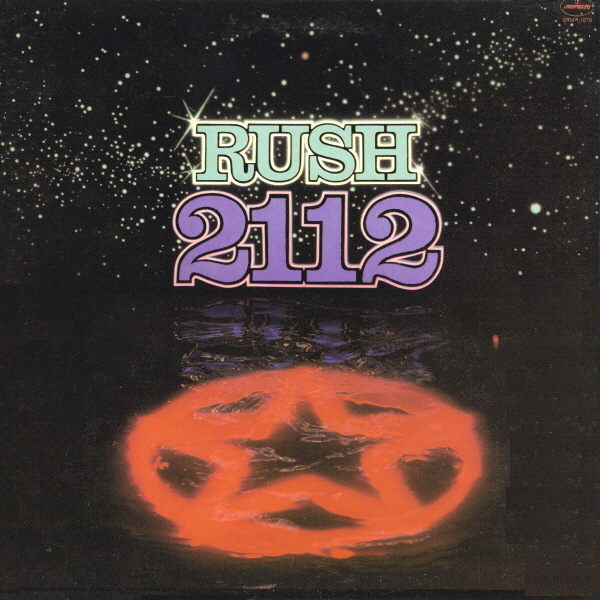
The one that immediately sprang to mind when I read the article (it showed up in the first comment, too), was 2112 by Rush.
Although their self-titled debut had gotten some traction, Rush’s second and third albums hadn’t really moved the needle. Faced with a record company giving them one last chance to produce a hit they decided to say “fuck it,” do their own thing and, if necessary, go down swinging. Alas, the album, particularly the side-long title track, really clicked with a certain group of fans and the rest is history. 2112 is literally the album that made Rush what they turned out to be.
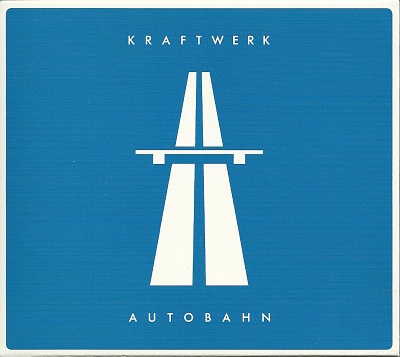
Another band whose fourth album, propelled by a side-long title track, signaled their trailblazing future was Kraftwerk with Autobahn.
Up to that time, Kraftwerk had been of a piece with the rest of the Krautrock scene, experimental and not generating much particular notice. Autobahn marked the full embrace of electronic sounds (although there’s still some guitar and flute in there) that would find full flower on later classics like Trans-Europe Express and The Man Machine and set the scene for the synthpop and electronic music boom of the modern age.
An artist of a completely different variety, but with a similar swerve, is Bruce Hornsby. After the megahit of “The Way It Is,” his next two albums with the Range produced reduced commercial returns (although they’re both pretty good). For Harbor Lights, his fourth album, he changed things up.
For one thing he ditched The Range, not just in name but in body, aside from drummer John Molo. In their place he brought in a host of players with jazz (and related) cred, including Pat Metheny, Branford Marsalis, Jerry Garcia, and Phil Collins. The music brings in more influences from jazz, bluegrass, and classical music that would define Hornsby’s music in the years to come. It’s not a Kid A seismic shift, but it’s pretty significant.
Somewhat closer to the spirit of Kid A was Dazzle Ships by Orchestral Manoeuvres in the Dark.
After several successful albums, capped by Architecture & Morality, the band did a swerve into samples, found sounds, and collages. There are a few pop-facing songs, sure, but it’s more experimental and, as a result, kind of bombed compared to previous releases. It didn’t shift OMD’s style or anything, but it’s a solid example of a band using its success as a chance to do something different and mostly succeeding.
Finally, echolyn’s fourth album, Cowboy Poems Free, certainly belongs on this list.
It was their third album, As the World, that was supposed to be the big one, an unabashedly progressive rock record released by a major label (Sony) in the middle of the grunge-fueled 1990s. However, personnel at the label changed, the album was released with no real support, and the band broke up. But they returned in 2000 with Cowboy Poems, a little older and wiser (?), at least about the mechanisms of the record business. They’ve kept going (slowly, at times) ever since, release some really brilliant albums. For them, the fourth album was a “yeah, we can still do this” moment.
I’m sure there are plenty of fourth albums out there that fall flat, but, on balance, I’m not sure there’s such a thing as a fourth album curse if you can muster this many exceptions. Or maybe it’s more of a nuisance than a curse – in which case, why make such a big deal about it?
Information is not knowledge.
Knowledge is not wisdom.
Wisdom is not truth.
Truth is not beauty.
Beauty is not love.
Love is not music.
Music is THE BEST
– Mary, from the bus (via Frank Zappa, “Packard Goose”)
Even before the current administration’s crackdown on education, it wasn’t unusual to see band directors or other music educators arguing for, if not more funding for school music programs, then at least no more cuts. Often, music education supporters trot out a graphic like this in support of such arguments:
That’s great and it’s important that the public knows that stuff, but whenever I see it I feel like it risks turning music – and art in general – into something transactional that we do, or teach kids about, only because its boosts the bottom line down the line. Isn’t it enough to make and embrace music for its own sake?
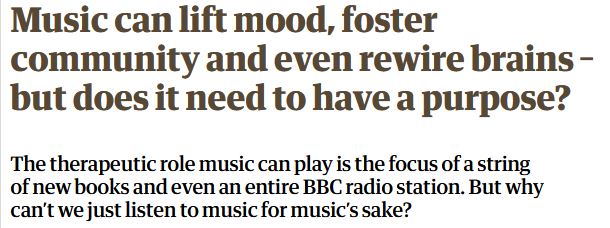
This all came back up when I saw this article by Emily MacGregor in The Guardian:
MacGregor talks about a recent rush of books about the healing powers of music and focuses on a new BBC station called “Radio 3 Unwind”:
Programming on Unwind is light on chat, but heavy on second (i.e. slow) movements and, er, birdsong. The schedule consists mostly of playlist-type shows with names such as Mindful Mix and Classical Wind Down and features plenty of recognizable choral, piano and instrumental classics from big hitters such as Chopin, Purcell and Mozart, alongside an emphasis on new music and composers from diverse backgrounds.
Unwind’s presenters often have psychology or mindfulness credentials – and above all soothing voices. When I tune in, I find myself being encouraged to consider “the grandness of the natural world” by an authoritative baritone against strains of undulating woodwind, majestic strings, sonorous horns. “You breathe, as nature would have you breathe. You are alive.” Hmmm. A Shostakovich symphony this is not. I can’t quite shake the feeling that I’m settling in for a spa treatment.
I’m not here to poo-poo the healing power of music. Many a frustrating days at work have been made right by a drive home with the windows down, tunes blaring, and me singing along so enthusiastically I start losing my voice. Without a doubt, music can make you feel better. But isn’t it so much more?
Back to MacGregor:
The anxiety is that Unwind devalues music, so that we start thinking that it is only of value insofar as it’s useful for something else. Mightn’t Unwind encourage listeners to think classical music is little more than bland background muzak, with nothing to say? Criticism has come from all directions: the BBC has been accused of selling out, of dumbing down, of anaesthetizing listeners and of relegating classical music to the awful category of “ambient”. There’s been a rallying cry for the intrinsic value of music, music for music’s sake.
Hey, now, let’s not take shots at a foundational part of electronic music, shall we?
Anyway, I agree with MacGregor’s statement that she’s “allergic to the suggestion that music needs to be attached to claims about something else to be worthwhile,” I don’t necessarily see research about the benefits of music as problematic. The problem is more with a society that views anything that isn’t “productive” (where “productive” probably means economic gain) has to justify itself in some way. It should be enough to listen to a symphony or a Marillion song because it brings you pleasure, on some level.
Thus, I’ll join fully in MacGregor’s conclusion:
Where the art-for-art’s-sakers and the music-for-healing camps find common ground is in the idea that as a society we’ve lost sight of how important music is. Over the past decade, there’s been a sharp decline in UK sixth-formers studying the arts, following the government’s “strategic priority” emphasizing Stem subjects. But music is not the icing on the cake of an existence dominated by science, technology and economics; it’s (to push a metaphor too far) the rich butter whipped right through the mix. We are aural creatures, reverberating together.
Listen to Mary – music is the best.
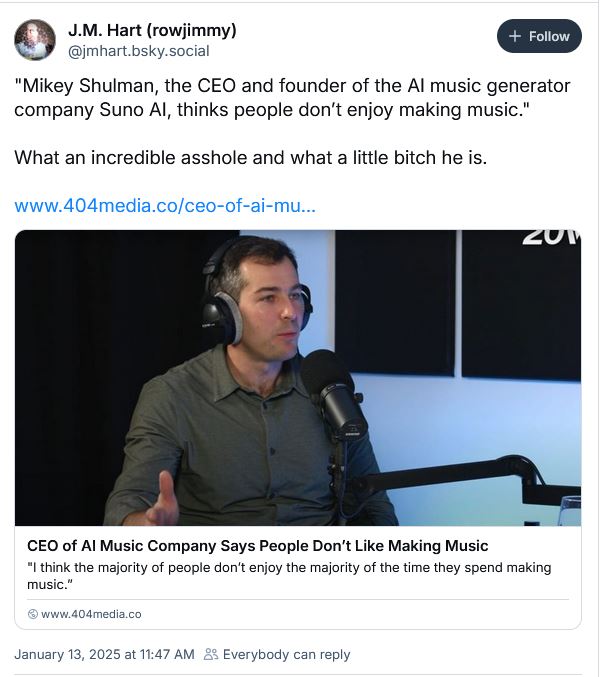
A while back I saw this headline:
And let’s just say I had an instant reaction:
My second reaction was hoping this dope wasn’t related to the Shulman brothers of Gentle Giant fame (doesn’t seem like it). I cooled off a bit and figured maybe he was being taken out of context or something.
Reading further didn’t make things any better. I had thought, perhaps, that what Shulman meant when he said people don’t like making music these days was something about how creators have to spend so much time doing other stuff (building brands, being terminally online, etc.) that “making music” in a business sense is not as fun as it once was. He was talking about professionals, in other words.
Nope. He’s just a douche:
“It’s not really enjoyable to make music now. It takes a lot of time, it takes a lot of practice, you need to get really good at an instrument or really good at a piece of production software,” Shulman explained. “And I think the majority of people don’t enjoy the majority of the time they spend making music.”
It’s an interesting and arresting angle.
Not really and here’s why – the vast majority of people who make music do so only for their own amusement or the amusement of those few around them. Most musicians aren’t trying to make it big, or even make a living, making music. They’re making music because it stirs something in their soul, fills a need in the way they interact with a world. Put simply – for most musicians being “good” is irrelevant to why they make music in the first place.
Years ago, one of my local writer colleagues made a very good point about making art. When people ask writers if they’ve ever been published or artists whether they’ve had an exhibition, they’re tying the doing of art with the high-level consumption of it, with sales. As a comparison, my colleague suggested, nobody asks a bunch of middle-age guys playing basketball at the Y if they’re training for the NBA. Rather, we recognize the value of doing the thing just for the sake of doing it, not to produce a product for which other people might pay money.
As a writer I like to think of myself as a professional – I work very hard on the text, work with editors and cover designers to produce a polished final product. As a musician, I am very much an amateur. I make noise when the spirit takes me and, if something comes out that makes me particularly happy, I’ll upload it to share with others. But I don’t deceive myself that I’m doing anything other than having fun and, maybe, another person or two might have fun with it, too. Which isn’t to say I don’t have fun writing, too – if I didn’t I wouldn’t do it – but I have different goals in each area.
Doing anything well, much less competently enough for others to pay you money for it, is hard. It takes work, long-term effort, and lots of failure. You know what doesn’t require any of those? Making are because you love it. Your sculptures can be lumpy. Your stories can peter out in the end. Your songs can be stiff and not particularly catchy. Did you enjoy making them? The answer to that question is the only thing that matters in the end.
So I will disagree with Mikey and suggest that the vast majority of people who make music – or any kind of art – enjoy it simply because that’s the whole point of doing it in the first place. Sure it can be frustrating, but the answer is to take a break and take the dog for a walk, not to turn to some soulless piece of AI to do the work for you.
Make art for yourself. And have fun.
I continue my look back at the year just past and highlight some of my favorite, or just most interesting, media I consumed (not necessarily new, but new to me). This week let’s watch some TV . . .
I can only imagine that the brainstorming sessions for this show must have included some mind altering substances. A nun scours the globe, with the help of various other colorful characters, in order to fight an out of control AI that might be taking over the world. Should this work in any way shape or form? No. Does it? Amazingly, yes. It’s funny, thrilling, compelling, and hits you in the feels. In a world overrun with IP-driven reboots and rethinks we need more Mrs. Davises.
Not an original thought, I know – this once-limited series has been praised to the hilt since it premiered. Pleasantly, it completely lived up to the hype. Having no familiarity with either the original novel or miniseries (I’m not that old) I can’t say how it compares to those sources, but as a stand-alone piece of work it was brilliant. Was the ending kind of a cop out? In a way, but isn’t that what life’s like sometimes? Besides, there’s a second season coming to stir things back up!
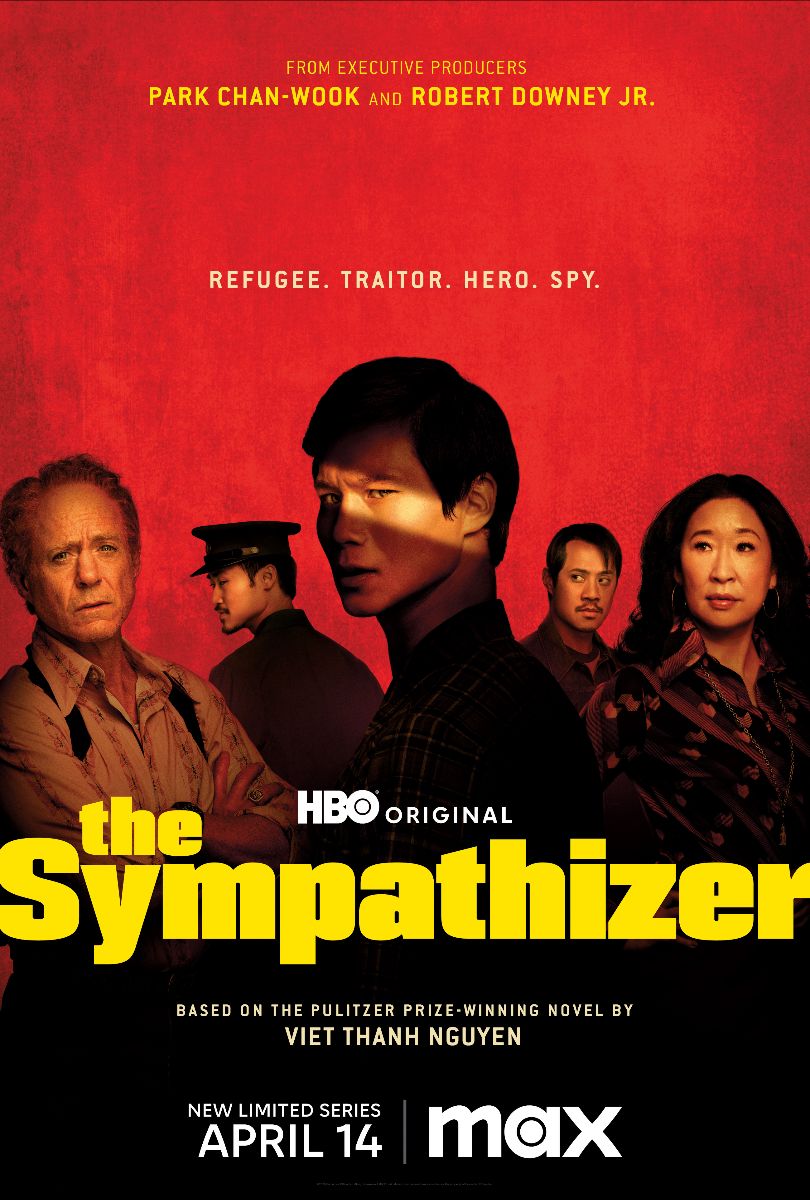
This is another show that probably shouldn’t have worked as well as it did. The titular character is a North Vietnamese spy who infiltrates the office of a South Vietnamese general so thoroughly that when the general flees to the United States the spy goes along. What follows is a twisting examination of being and identity, punctuated with a lot of black humor. There’s a movie within the show that sends up Hollywood and Robert Downey, Jr. shows up in multiple roles. It doesn’t all work all the time, but, as with Mrs. Davis, this is more of the odd kind of storytelling TV needs.
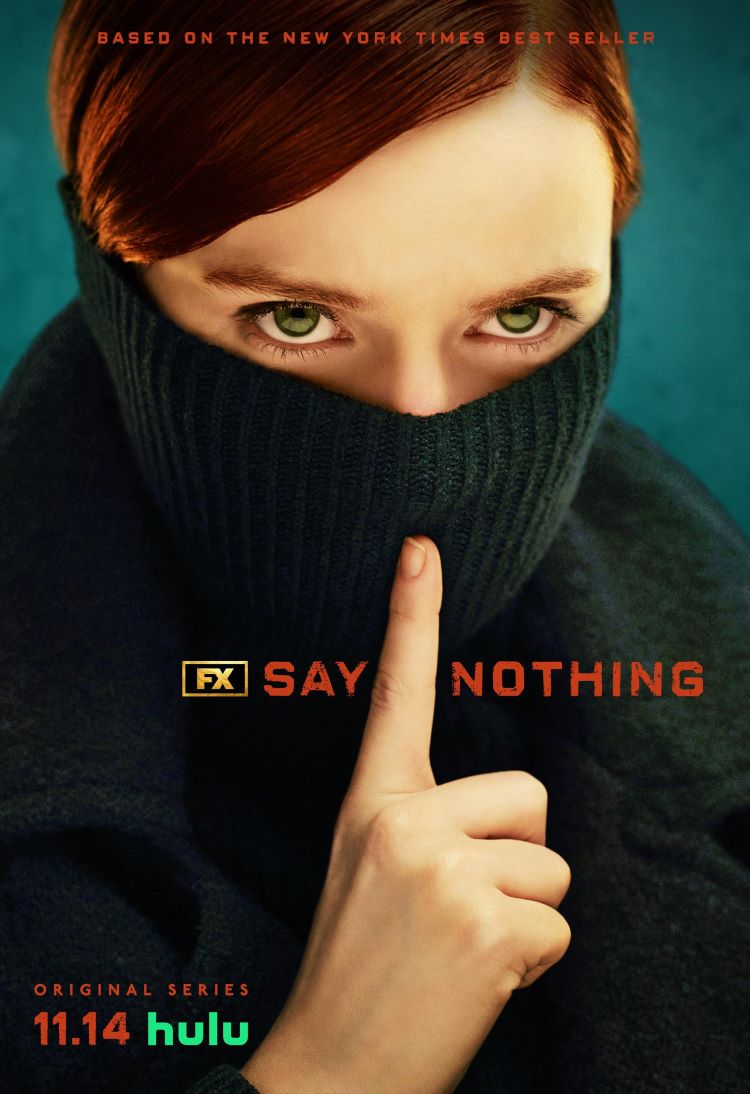
Say Nothing is one of the best books I’ve ever read (as I’ve noted before). When I heard at TV adaptation was in the works I was skeptical that they’d be able to pull off the same trick of telling some very relatable, personal stories about people involved in The Troubles while also providing enough high-altitude context to explore the wider conflict. The show, of course, doesn’t quite do that quite as well, but by paring things down a bit the story told wound up very powerful. The series performs a neat sleight of hand by setting the first few episodes as kinetic pieces of lawlessness and violence done for the cause and then pivoting to explore the long-term consequences of participating in those things. Excellent on its own, even better if it makes you want to read the book afterwards.
It’s a great elevator pitch – a series about a group of young Muslim women in Brittain (of Pakistani background) who form a punk band. Could be a heavy, maudlin examination of the struggle of outsiders in the modern UK, right? Or, it could be a very funny show with deep-down laughs and fun songs that also manages to dig into themes of belonging and identity. I was completely captivated, in spite of a couple of music-related nitpicks (the music isn’t really punk, even if the attitude is, and their plan for success sounds more out of the 1980s than 2020s). Hoping for more!
While watching stuff I frequently hop over to IMDB to figure out why a familiar face looks so familiar. I don’t know what we were watching or who I was looking up, but one of their prior works was Brian Pern: 45 Years of Prog and Roll – needless to say, it piqued my interest. Brian Pern is a parodic version of Peter Gabriel – lead vocalist of a prog-rock band called Thotch in the 1970s who went on to a genre-defining solo career (he frequently states that he invented world music). Across three short seasons (three episodes each, plus a couple of later specials), Pern first chronicles the history of rock and roll then navigates his own failing career, which ends in a botched Thotch reunion and death in an unfortunate Segway accident. There’s a lot of very funny stuff over the seasons (which includes appearances from the likes of Rick Wakeman and Gabriel himself), but the first is the best. If you’re a fan of prog at all, or much mockumentaries, you owe it to yourself to track it down online.
I continue my look back at the year just past and highlight some of my favorite, or just most interesting, media I consumed (not necessarily new, but new to me). This week, let’s talk music and podcasts . . .
Zopp is manifesting itself into a real band (they’ve played live), but this, their second album, is still primarily the work of Rya Stevenson, who plays just about everything except drums and horns. At the forefront of the nouveau-Canterbury sound is fuzzed out organ, of course, along with lots of other tasty keyboards. New for this album are a couple of tunes with vocals. Stevenson’s not a powerhouse vocalist, but his laid back, low drama delivery is in step with his Canterbury predecessors. If you thought nobody made music like Egg or Caravan these days, you’re in for a treat!
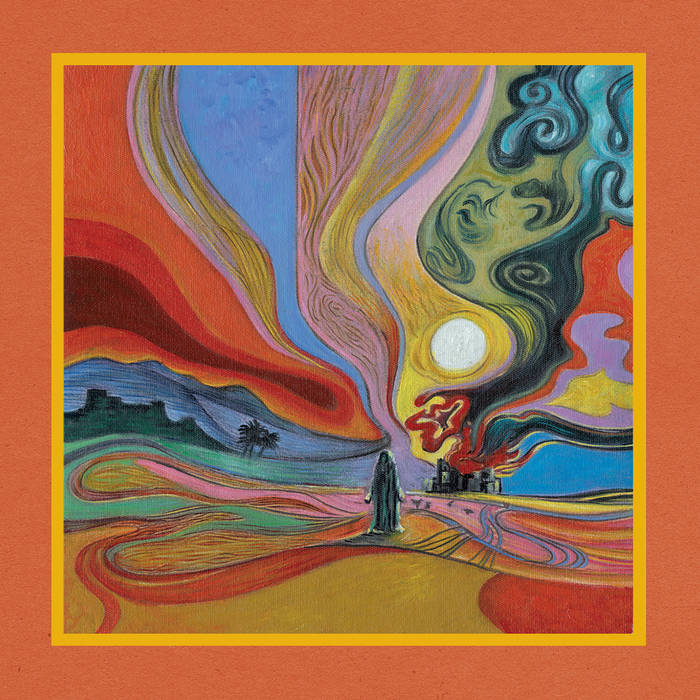
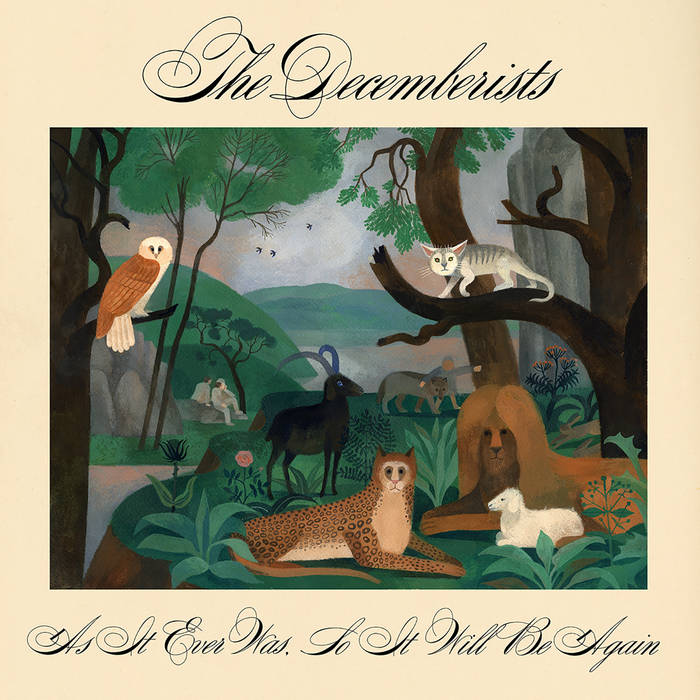
A fine collection of neo-psychedelia that often feels like Traffic run through some kind of chemically-induced dream state. A lot of the palate is organic – acoustic guitar, flute, piano – which makes the soaring, sinewy guitar parts stand out all the more. You don’t need a drink (or something else) to dig this, but it probably wouldn’t hurt. Beautiful cover, too.
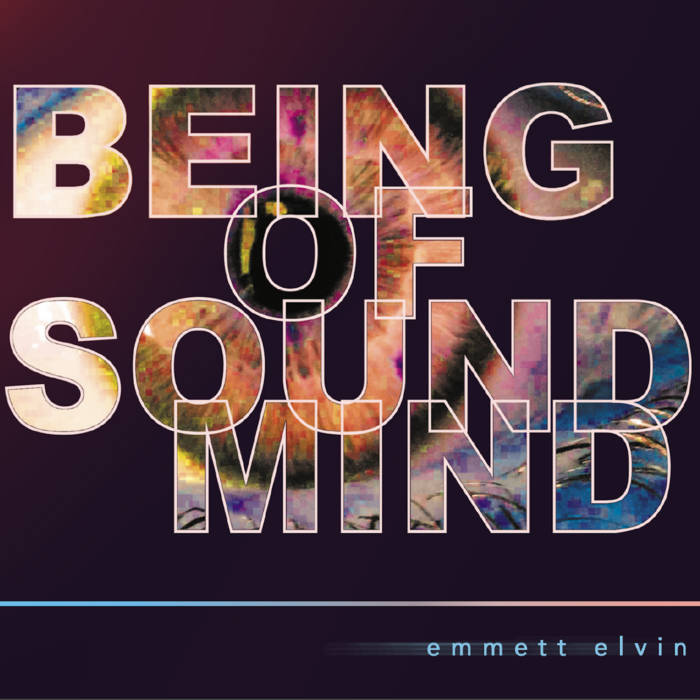
I knew Elvin from his work with Knifeworld and Guapo, but was completely unprepared for the funhouse experience that this solo album was. Kicking off with some serious Zappa vibes, the songs bounce from genre to genre without any apparent rhyme or reason, but it all works. Menacing and playful, dissonant and melodic in equal measure. There’s even the catchy “Artificial Guitar” than you can kind of sing along with! Far and away my favorite new thing I heard last year.
I liked St. Vincent’s detour into 70s-inspired sleaze, Daddy’s Home, more than most, but I admit it felt a little slight and lacked the edge of some of her earlier work. No worries here, as the darkness and general oppressiveness is back. The soundscapes are equally lush but feel smothering rather than intoxicating, with an electronic glaze to them. Compelling, yet disturbing, kind of like 2024.
With a title like As It Ever Was, So It Will Be Again it was clear that this album would be a return to “normal” for The Decemberists (again, I liked their last album more than most). I perhaps bought into that so much that when I first got this album I thought it was very nice, but kind of “Decemberists by numbers,” without a lot of standout material. My opinion changed over the year and it really grew on me. There are several great songs (“Burial Ground,” “Long White Veil,” “Don’t Go to the Woods”) without even mentioning the closing epic, “Joan In the Garden” that managed to channel “Echoes” in spots. It’s no shame to revert to form when the form is so damned good, right?
One of the great joys of last year was that, at long last, Homicide: Life on the Street appeared on a streaming service. Not only that, the clamor of that release even interested my wife in watching it, so we burned through the entire series over the fall (more thoughts on that from me sometime later). This podcast, hosted by Kyle Secor (Bayliss during the series) and Reed Diamond (Kellerman), bills itself as a rewatch podcast, but that mostly just serves as a frame for them to bring in various people associated with the show to talk about how the sausage got made. Guests have already included David Simon and Tom Fontana and I’m not sure how long it can make it into the series this way, but if you’re a fan of the show it’s a must listen. And it’s a lot of fun (I love the musical bumpers for various segments they’ve done).
A really good podcast about movies with a pretty misleading name. You’d think it was all about doomed productions and flops, but in actuality it’s more of an examination of how things change in movie projects from inception to production. In other words, it’s a recognition that things go wrong, but ultimately can still produce a good movie. The one on Star Wars (I’m old, I don’t do episode numbers) was particularly good.
My general rule of podcasts is that you need at least two people for it to work right. It’s not just because having someone else to bounce facts and opinions off of is often more entertaining, it’s because one person droning on tends to lead down rabbit hole and not make for compelling listen. Dark Histories is the exception to the rule, as it’s merely Ben and a microphone, but you can tell that he’s put great effort into putting together an actual script to tell particular stories in a satisfying way (with just a hint of sound design in the background). As the title suggests, the focus is on weird, odd, or terrifying stories of the past, things that might get overlooked in general. Fascinating and very well done.
So, 2024 has been a year. It began with on a serious down note, produced its share of highs along the way, and then slouched towards . . . well, whatever we’re doing now. Oy.
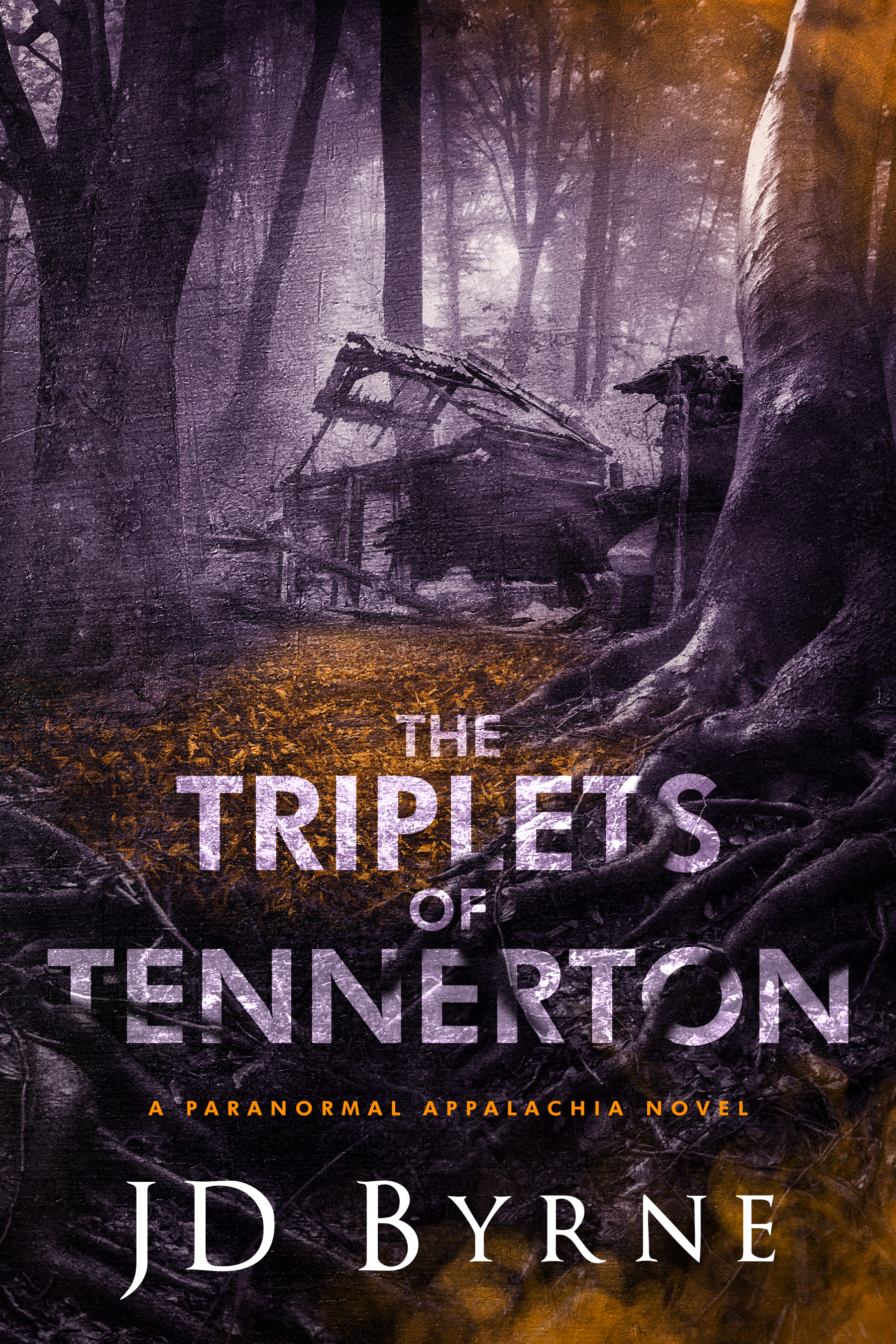
Without a doubt, my personal high point was the release of The Triplets of Tennerton, the second book in the newly refashioned Paranormal Appalachian series.
On the back of that release I got to do lots of in-person events and talk to lots of people about it all over the state. It’s the most fun I’ve had with a book launch and came at a very good time for me. Even won an award!
If you’re interested in Triplets you can read excerpts from it here and here and a little about the real world inspiration for the murder mystery at its heart here. I even did an interview of my own self about the book that you can check out here.
In fact, if you’re still doing some Xmas shopping, or maybe you’re looking for a present for yourself (you deserve it!), both Triplets and the original Ben Potter story, Moore Hollow, are on sale in eBook form for 99 cents for the rest of the year. Get Triplets here (Kindle) or here (other formats) and Moore Hollow here (Kindle) or here (other formats). There’s paperback versions of each book, too, available here and here or locally at Cicada Books & Coffee in Huntington and Plot Twist Books in South Charleston.
So, I hope you get some time to read or hang out with friends and loved ones over the next few weeks, regardless of what holidays you celebrate (if any!).
I’ll be back in 2025. Until then, have some seasonally appropriate tunes.
I have never read Ulysses. I don’t think that’s a major confession (certainly a lesser one that I’ve never read Tolkien, given my genre of choice), given that while it’s one of the most famous works of English literature it’s also got a reputation as one of the most difficult to read. Not a breezy beach romp is Joyce’s chronicle of a day in Dublin.
It’s a reputation reinforced by things like this column on Slate from last month, in which the author staggers under the idea that his book club was going to “raw dog” Ulysses, rather than read it with some kind of supporting, explanatory work alongside. Putting to one side the continuing attempts to make “raw dogging” a thing, isn’t that the way you should first approach a work of art? If you need to have someone else tell you what it means from the jump what’s the point?
Without a doubt there are books, movies, and albums that cannot be fully appreciated on the first go. The one my mind goes to immediate is Memento, Christopher Nolan’s early breakthrough that’s told (in essence) backwards. It’s definitely a movie that rewards rewatching once you have a better idea of what’s going on, but it’s worth experiencing on your own at first to get the full effect. Seeking outside meaning before you watch it yourself spoils part of the fun.
The difference comes from wanting to understand what you’ve already seen or read versus wanting to have a complete understanding of the work the first time you experience it. I’m not saying that are that requires that kind of work is inherently better than stuff that’s more direct and accessible from the jump – there are different kinds of pleasures when it comes to art and sometimes that pleasure is teasing out just what the artist means after you know what they’re saying.
A lot of my favorite music is British. As a result, sometimes there are references in it that I, as an American, just don’t get. I’ve spent time figuring out just what Fish was saying about 1980s Brittain on the first four Marillion albums. That I didn’t understand it all when I first heard them wasn’t important, but learning the details afterwards only deepened my understanding of the songs.
I do the same thing with books and movies. After I finish one I have a ritual in which I scour various review sites – Goodreads, Letterboxd, etc. – as well as critic’s reviews and other write ups, not just to see if my opinion of the work matches consensus (a lot of times it doesn’t!) but to see if other people have insight into what I’ve just read or watched. I love learning about how movies or albums are made and what weird sausage-making process was involved in the final product and how much of the creators’ original ideas came through (if any).
Sitting down to read a book or watch a movie shouldn’t feel like work. Having to do so with a separate work open beside you to make sure you “get” what you’re reading or watching sure seems like work to me. It’s what I do in my day job – I look at a case that requires me to dig into a statute or regulation to figure out what it really means, which requires me to jump to another case, which requires me to look at a historical version of the statute to see how it’s changed over time. I don’t want to have to do that in my spare time. Who does?
Works of art are, in essence, sales pitches. Are you, consumer of art, entranced or intrigued or outraged enough by what you see/hear/read to linger? To borrow a phrase, would you like to know more? That’s the point to at which you might expect a reader or viewer to start digging into supplementary materials. Before you set the hook, however, they really ought to be left to muddle through on their own.
Now, if you don’t mind, I’m going to go listen to this song for the umpteenth time and, once again, try and figure out what Jon Anderson is on about:
A few years ago I did a post about what I called “minor” epics – songs that sprawled past 10 minutes, but wouldn’t have taken up an entire album side back in the good ole’ days. I decided that it was about time to address to “real” epics, of the kind that progressive rock loosed upon the world around the time I was born. Rather than pick a certain number, I decided I’d highlight my favorite epic from each decade. Some decisions were harder than others, believe me!
But first, some ground rules. By “epic” here I mean a song that would have typically taken up one side of vinyl (or nearly so), so longer than 15 minutes. I’m not including entire albums that are only one song (think Jethro Tull’s Thick as a Brick or echolyn’s mei) or albums with sides that flow easily from song to song, where those are still separate songs (e.g., Marillion’s Misplaced Childhood, side two of Abbey Road by The Beatles, etc.). Also, I’m excluding from consideration electronic and post-rock artists who tend to work on this kind of scale, simply because their epics don’t hit me the same way (even though I love some of them). Finally, as with any list like this, it’s completely subjective and highly personal – I can only opine on stuff I’ve actually heard.
Let’s go!
The current decade is fairly light in terms of epics. Partly that’s due to it only being half over, but I also suspect that it’s also partly due to the whole “side long” thing not meaning as much when most music is consumed in ways that don’t involve “sides” at all. So it really came down to a choice between two, the first of which is from the most recent album by The Decemberists, As It Ever Was, So It Will Ever Be. “Joan in the Garden” is a proper wild epic, complete with sections that hint back to something like “Echoes” more than the folky art pop they’re more known for. It’s really good, but it’s not my favorite from this decade.
That honor goes to “Celebrity” by I am the Manic Whale, from their 2020 album Things Unseen.
The song manages to do something I thought impossible – honoring folks who do well in those ubiquitous TV talent shows while gleefully skewering those who think they’ll just show up and (to paraphrase one lyric) “give it their heart and soul.” So, lyrically it’s quite fun. Musically, too, it’s great, with some unexpected bassoon in the bass line for a good bit. “Celebrity” is really the perfect distillation of what this band is all about, which is a good thing for an epic to be.
This is more what I was thinking about when I decided to embark on this project. There’s enough good stuff from the 2010s to make this a very difficult decision. I mean, all three epics from Marillion’s Fuck Everyone and Run (2016) meet the criteria! As great as they are, however, I didn’t land on one as my favorite. Other strong contenders included the excessively epic “Harvest Aorta” by Ephemeral Sun (from the 2010 album of the same name) and Resistor’s tale of epic musical adventure, “The Land of No Groove” (from Rise, also from 2010).
In the end, I decided to go with the title track from DeExpus’ 2011 album The King of Number 33.
A great, tragic, story song that has the feel of being based on a true story (although I have no evidence that it is). The “king” is a mentally ill man who rides the local bus everyday in full regalia until, one day, he demands obedience and attacked dissenters with a sword. Musically it’s solidly in the neo-prog realm, complete with Marillion’s Mark Kelly chipping in on keyboards. It soars, it rocks, it hits you in the heart. What more could you want?
Well, a version of the entire song available somewhere to link to. Here’s the whole album, which is worth a listen.
The Oughts were a good time for epics, from Ritual’s Moomin-inspired story-song “A Dangerous Journey” (from 2007’s The Hemulic Voluntary Band), the earnest sunniness of Moon Safari’s “Other Half of the Sky” (from 2008’s Blomljud), and the wild avant-garde piano runs of “Vertiges” by Present (from 2009’s Barbaro (ma non troppo).” I feel like I could have wrestled with this group for a long time, but for the fact that this decade provided what I think of as my favorite “new” epic of them all.
From 2006’s A Place in the Queue, it’s The Tangent and “In Earnest.”
Lyrics don’t impact me too much (vocals are an entirely different thing), particularly with epics, but when they do they really add an extra layer of enjoyment to the song. “In Earnest” is about an old man who spent his youth fighting the Nazi’s in the RAF, only to have his entire life reduced to that experience in the public’s mind. It’s a sad reflection on memory that ends with a stirring plea:
Don’t leave me nostalgic for the wrong things in my life
I don’t want adventures among your grand designs of war
I’ll take a clear morning with the wind in my hair
I beg you, In Earnest, for nothing more
That, combined with the soaring guitar and keyboard parts backing it, frequently chokes me up.
This one was really tough, as this decade includes some peak epics from some of my favorite bands. “The Healing Colors of Sound” by Spock’s Beard (Day for Night – 1999) is one of my favorites of theirs. “The Narrow Margin,” from IQ’s sprawling concept album Subterranea (1997), really clicked for me after I got to hear it live a couple of times. Throw in bangers from Anglargard (“Höstsejd” from 1994’s Epilog), Dream Theater (finally putting down “A Change of Seasons” on the 1995 EP of the same name), and echolyn (“A Suite for the Everyman” from 1992’s Suffocating the Bloom) – not to mention a pair of new epics from Yes (“Mind Drive” and “That, That Is” from the Keys to Ascension semi-live albums of 1996 & 1997) – and this decision could have landed on any of them.
But in the end, there could be only one – Marillion’s “This Strange Engine,” the title track from their 1997 album.
Marillion’s first epic in a while (and kind of a breakthrough return to the form they’ve returned to again and again in years since), it was also the first time in a long time that Mark Kelly got to rip off a big solo, which was fun to hear again – and see! Part of the reason this is my favorite epic for the decade is that that I got to see the band play it live on the fan-funded tour that helped give birth to crowdfunding. Every time I hear this song, I’m transported back to that night in a club in Pittsburgh.
If the current decade is a little slight for epics, the 1980s were positively bereft, at least when it came to progressive rock. Prog by that time, to steal a phrase from Frank Zappa, wasn’t “dead, it just smells funny.” The neo-prog movement was all about presented a more direct, polished, and streamlined version of prog that scaled down the epic nature of things somewhat (although there were some – IQ’s “The Last Human Gateway” led off their debut album, 1983’s Tales from the Lush Attic and Marillion had the temerity to release 17+ minute “Grendel” as the B-side of a single in 1982!). Meanwhile bands like King Crimson were steering into new wave and other genres that didn’t exactly pride expansiveness.
There’s still at least one gem out there, though – the first track off of avant-garde band Present’s debut album, Triskaidékaphobie, “Promenade au fond d’un canal.”
Normally I’m sharing studio versions of these tracks, but this one from 2005 is just too good to pass up (and finishes in menacingly bonkers fashion). If this had been the last gasp of prog it would have been an awesome capstone.
Yeah, so, this is the hard one. There are so many songs to choose from (more than a handful of Yes tunes alone!). There’s extensive explorations of inner and outer space (“Echoes,” from Pink Floyd’s 1971 album Meddle), lengthy organ freakouts (“Nine Feet Underground” by Caravan, from 1971’s In the Land of Grey and Pink), and terrifying sci-fi epics that can’t always been contained to one album side (both from Emerson, Lake and Palmer – 1971’s “Tarkus,” from the album of the same name, and 1973’s “Karn Evil 9,” from Brain Salad Surgery). Then there’s whatever hypnotic nightmare fuel “De Futura” is (from Magma’s 1976 Udu Wudu).
Ultimately, though, it has to come down to Yes v. Genesis, two of my favorite bands. For Genesis there is only one entry, at least – “Supper’s Ready,” the psychedelic apocoalypse (in 9/8!) that wraps up 1972’s Foxtrot. By comparison, in the mid 1970s Yes cranked out four albums in a row with at least one epic (and one alum entirely composed of four of them!). All those epics have their charms, but in the end, I picked one of them to lead the way.
“Awaken” is not Yes’ first epic and the album that it appears on, Going for the One, is kind of the first of their 1970s albums that isn’t really pushing the envelope of what it means to be Yes. It’s still great, though, and the epic closer is the very refined endpoint of Yes in epic form (they wouldn’t produce another until 1994). It’s my favorite epic of prog’s founding decade – at least it is today.
That’s the awesome thing about favorites – they’re not frozen in time, decisions made that can never be revoked. If I wrote this post next week all the answers might be different. Ain’t music the best?
NOTE: Just to prove the point, shortly after I wrote this post I listened to Seconds Out, which has a fabulous version of “Supper’s Ready” and I wondered how I could ever choose anything else!