2025 – My Year In Movies

Having covered the small screen from 2025, let’s talk about the big one . . .

I had a pretty good 2025 when it came to movies. My wife and I made some effort to get out to the theater to see things on the big screen more than in the past few years, which meant I actually saw some new releases when they were actually new! Of course, the in-theater experience can be a little odd sometimes, so most of what I saw last year was at home.

That included a movie that, while not near my favorite for 2025, has caused me to do a lot of thinking.  That’s the latest from Kathryn Bigelow, A House of Dynamite.
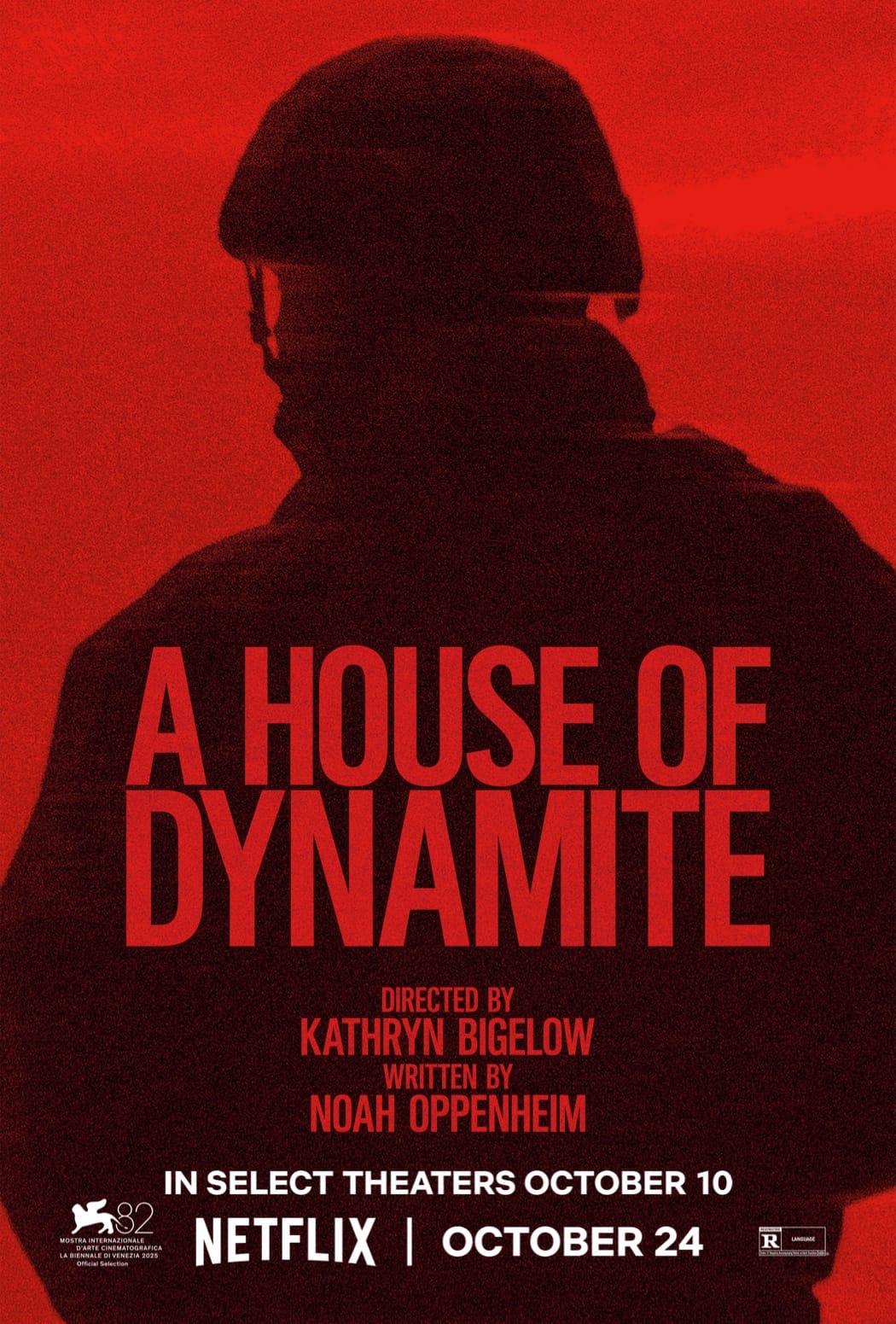
Released on Netflix, it’s the story of a sudden, unexpected nuclear missile launch from somewhere (we never learn where) that kicks the United States’ response plans into action. It plays out in real time (three times over) as the missile heads for Chicago and a response is weighed and (maybe) retaliation launched. The time-loop structure drains some of the tension as it goes around, but I like how each time worked further up the chain of command from information gatherers to strategists and decision makers (ultimately, the president). And while the cut-to-black ending didn’t bother me as much as some people, I thought the couple of coda scenes tacked on afterwards were pointless. Regardless, what this movie did was to send me deep down a rabbit hole of fiction of the nuclear apocalypse, of which I’ll have more to say later.

Several of my favorite movies of 2025 actually came out in 2024, but I only got around to watching them after the start of the year.

That’s how I wound up seeing Anora just before it won Best Picture last year. Yeah, it was that good.

The story of a stripper/hooker who gets swept into the world of the son of a rich Russian oligarch, it’s funny, bawdy, and really sweet in equal measure. Mike Madison carried the movie as the titular character (deserved her Oscar, she did). I kind of expected to be underwhelmed by this, and maybe that’s why it hit me all the harder. I wrote some more about Anora here.

I had a better idea of what to expect from A Different Man, but it still hit pretty hard, too.
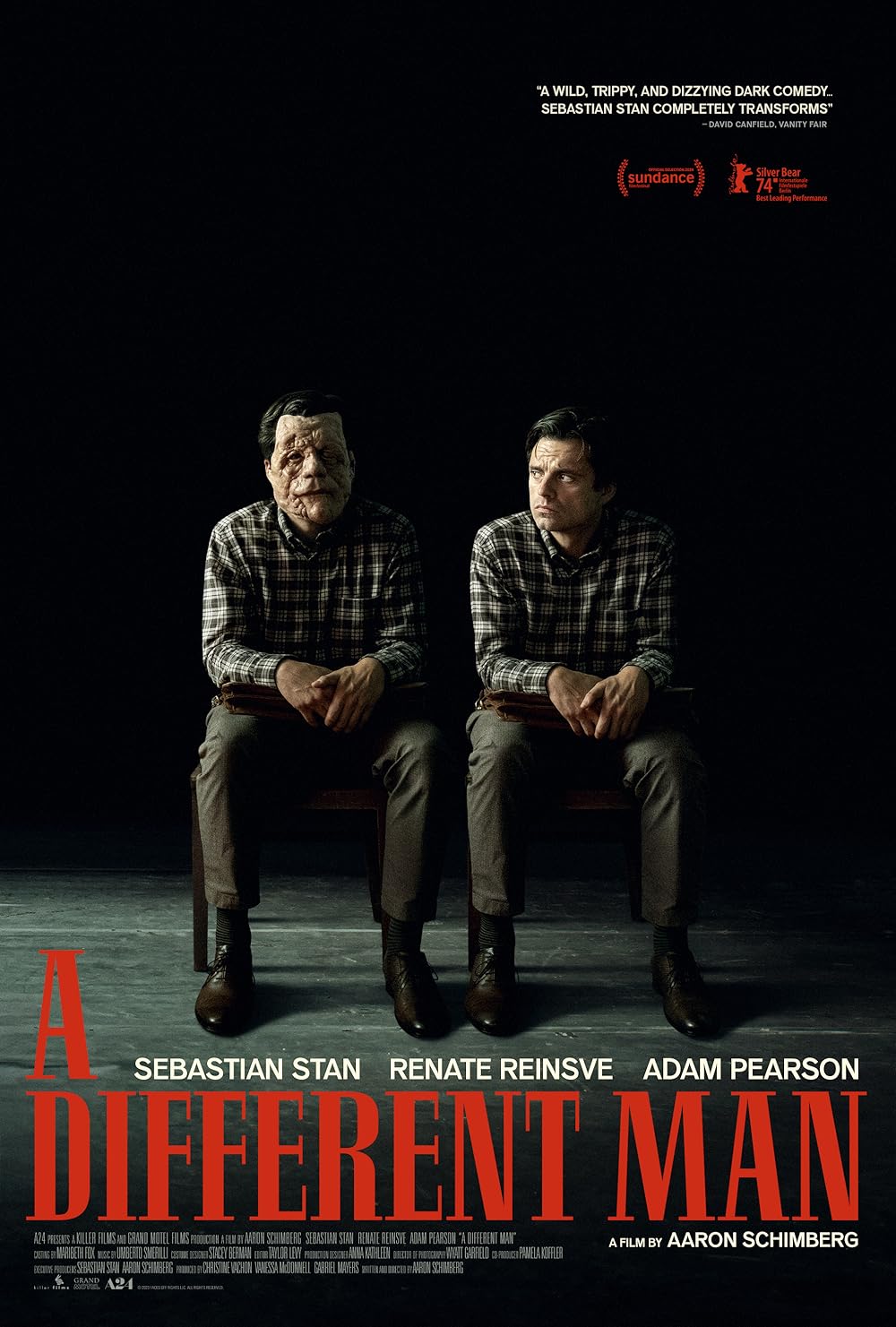
It has a simple pitch: a miserably aspiring actor with a disfiguring disease undergoes an experimental therapy to cure it, only to wind up cast in a play about a man with that condition – being advised by another man with the same condition who’s getting along quite well in life. This could have gone a very saccharine “after school special” kind of way, but it didn’t, partly due to Sebastian Stan’s amazing performance. It asks questions of identity, of what the world owes us, and how to deal. Highly recommended.

A more difficult watch, definitely, but just as highly recommended is September 5.
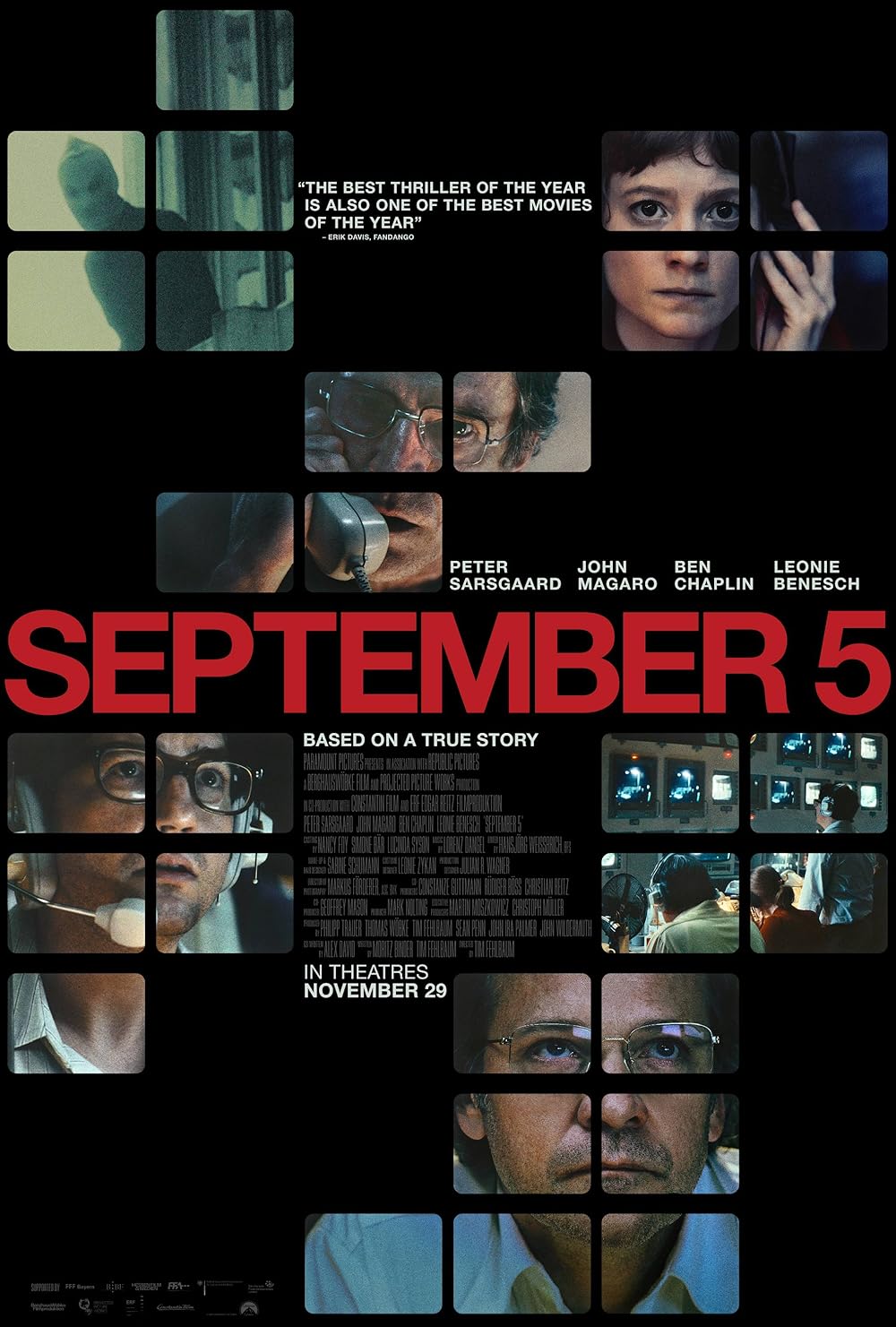
The particular September 5 in this case comes in 1972 at the Summer Olympics in Munich when terrorists attacked the Israeli team. This is not a broad overview of the event – for that see the 1999 documentary One Day in September, which is chilling – but focuses narrowly on how ABC Sports, who were covering the games, reacted to the situation and brought the news of it to the world. It’s very technical and, ultimately, it’s about people confronted with an astounding situation and dealing with it as best they can. Has some resonance today, no?

Home is where I normally watch documentaries – new, old, or otherwise – and 2025 was no exception. A couple were pretty disturbing, while another was uplifting in a way that made its “big screen” adaptation abysmal.

Without a doubt, one of the weirdest and saddest things I saw last year was The Contestant.
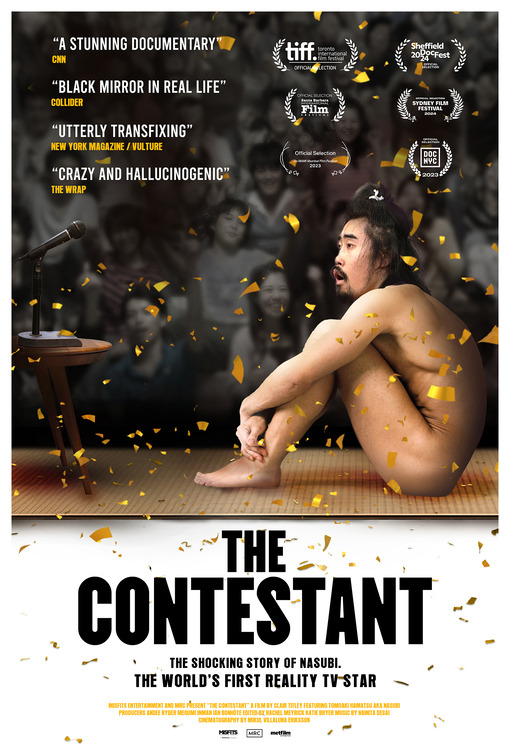
A 2023 British documentary about a late 1990s Japanese reality show, it covers the fame (infamy?) of a guy known as Nasubi (meaning “eggplant,” due to the shape of his face – and, yes, that might be where the emoji comes from) who went on a show where he lived in a tiny apartment, by himself, and had to subsist entirely on winnings from magazine sweepstakes competitions. Producers threw in a little bit of food, but he was on his own for the most part. Critically, he thought this would all be edited and broadcast later – only it was shown live (some of it streaming on the nascent internet). The whole thing is a wild indictment of just what you can get people to watch on TV and the impact it might have on the people involved.

Just as sad, but for completely different reasons, was another 2025 Netflix release, The Perfect Neighbor.
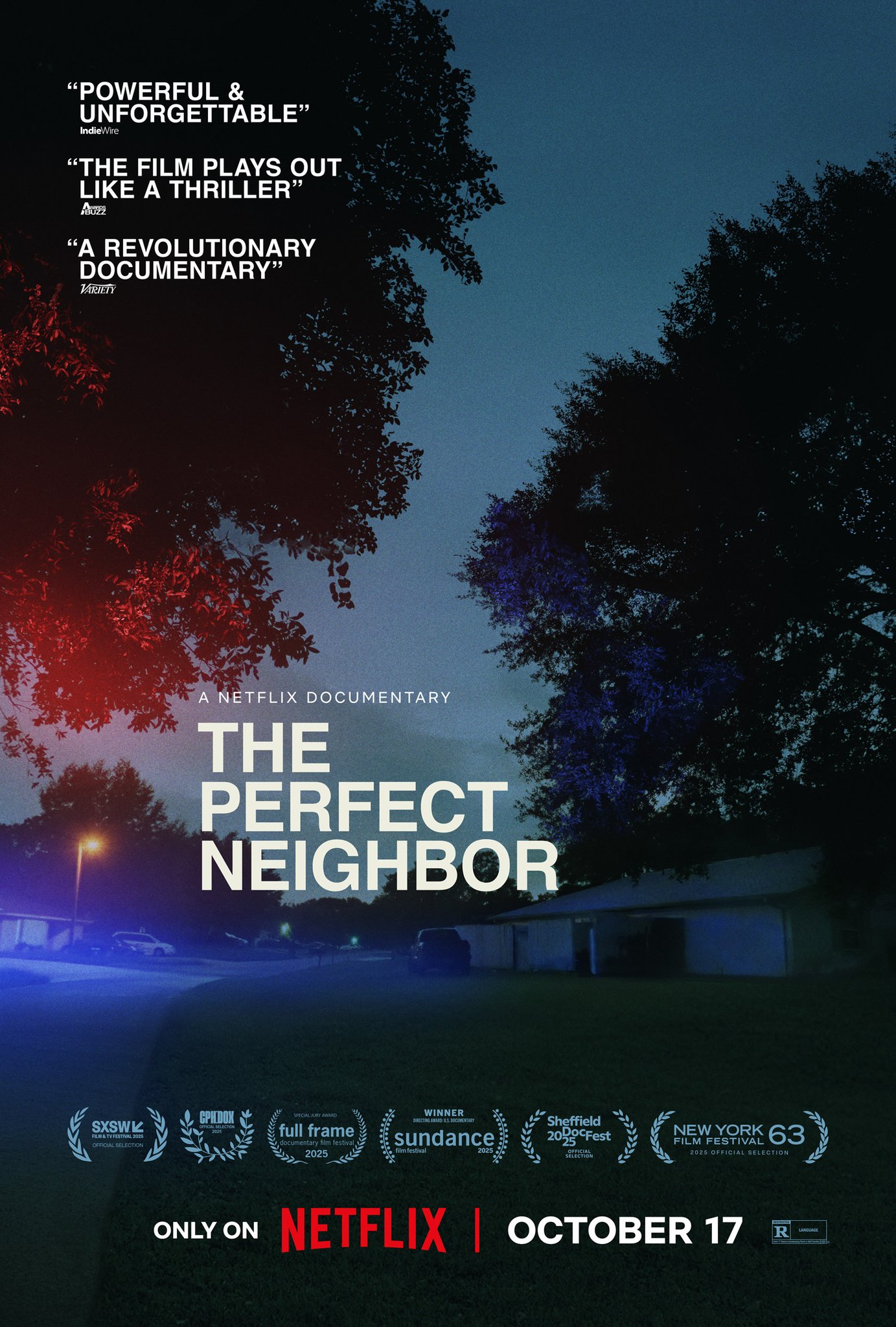
It’s the story of a Florida neighborhood fully of playing kids (most of color) and the “perfect neighbor” (a racist white woman) who shot and killed their mother one night. The film is told almost entirely through body camera and dash camera footage from cops, which provides an interesting perspective (although not a completely objective one – don’t be fooled). It mostly plays out as slow motion tragedy (we know from the jump she kills somebody), but it’s really well put together and leaves you feeling like you’ve been on the corner in that neighborhood watching as things slowly simmered and then suddenly exploded.

A much happier outcome is portrayed in Next Goal Wins, a 2014 documentary about the improbable struggles of the American Samoan national soccer team.
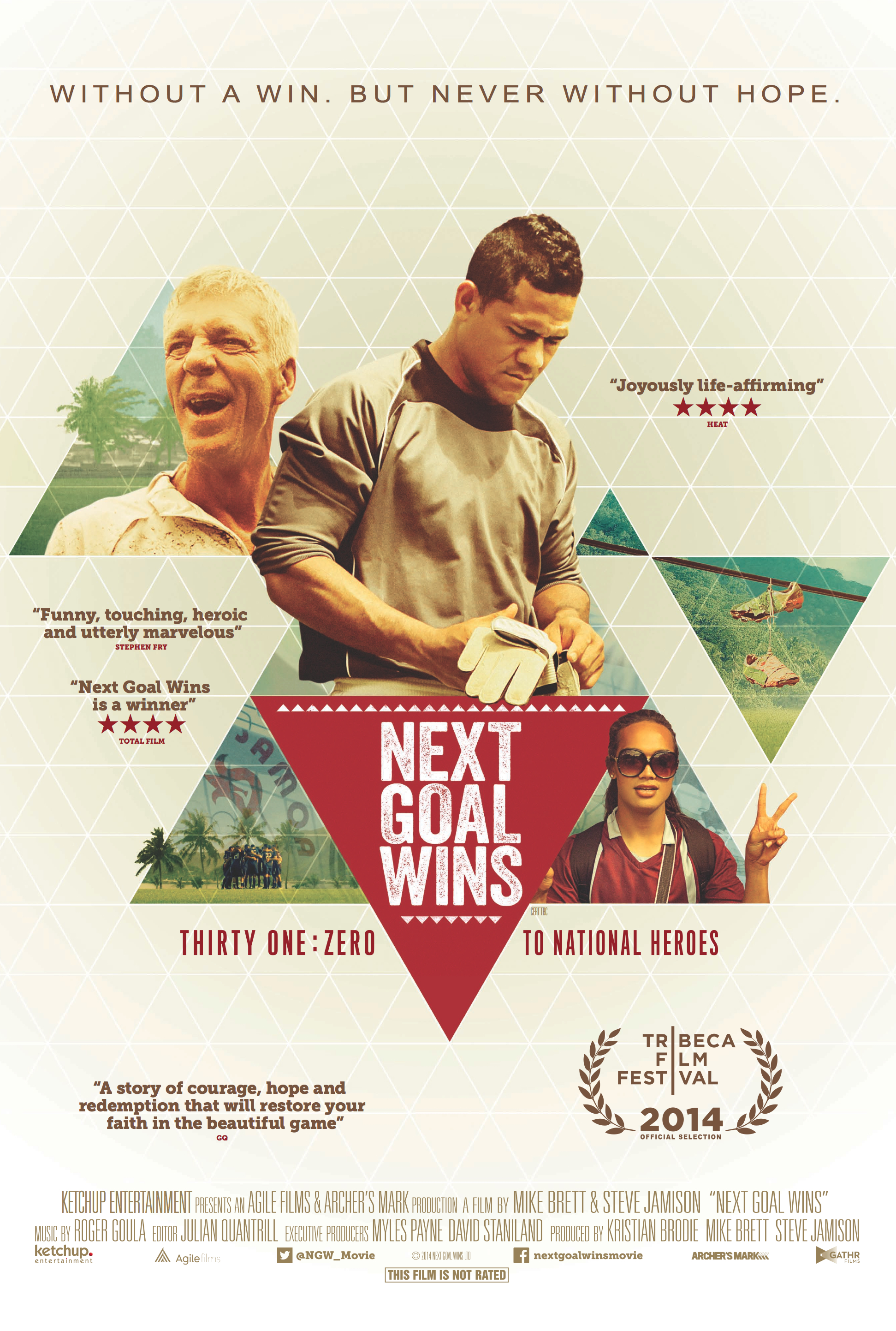
Having been blown out by Australia 31-0 in 2001 World Cup Qualifying (a result that caused Australia to switch regions in search of more competitive games), the powers that be hired Thomas Rongen – among whose prior stops included a stretch coaching DC United (1999 Supporter’s Shield and MLS Cup winners!) – to turn things around. Which meant, maybe, winning a game during the next cycle. That happens and its as heart swelling as any game could be, but only because by that time you’re fully invested in the amateurs that make up the team (including a transgender player, highlighting Somoa’s history of more diverse views on gender identity) and Rongen himself (fighting through grief at his daughter’s death). It’s just a great story well told.

Which is more than could be said of the 2023 narrative film of the same name, starring Michael Fassbender as Rongen. I watched it by mistake (they have the same title, I rented it first) and it’s just awful, turning Rongen into a needless villain and smoothing down a lot of interesting angles. Do yourself a favor, stay away from the Hollywood version on this one.

Of course, at home is the only place I could have seen a couple of stone cold classics last year.

I didn’t even know Akira Kurosawa made a movie called High & Low until I found out last year that Spike Lee was doing a remake.
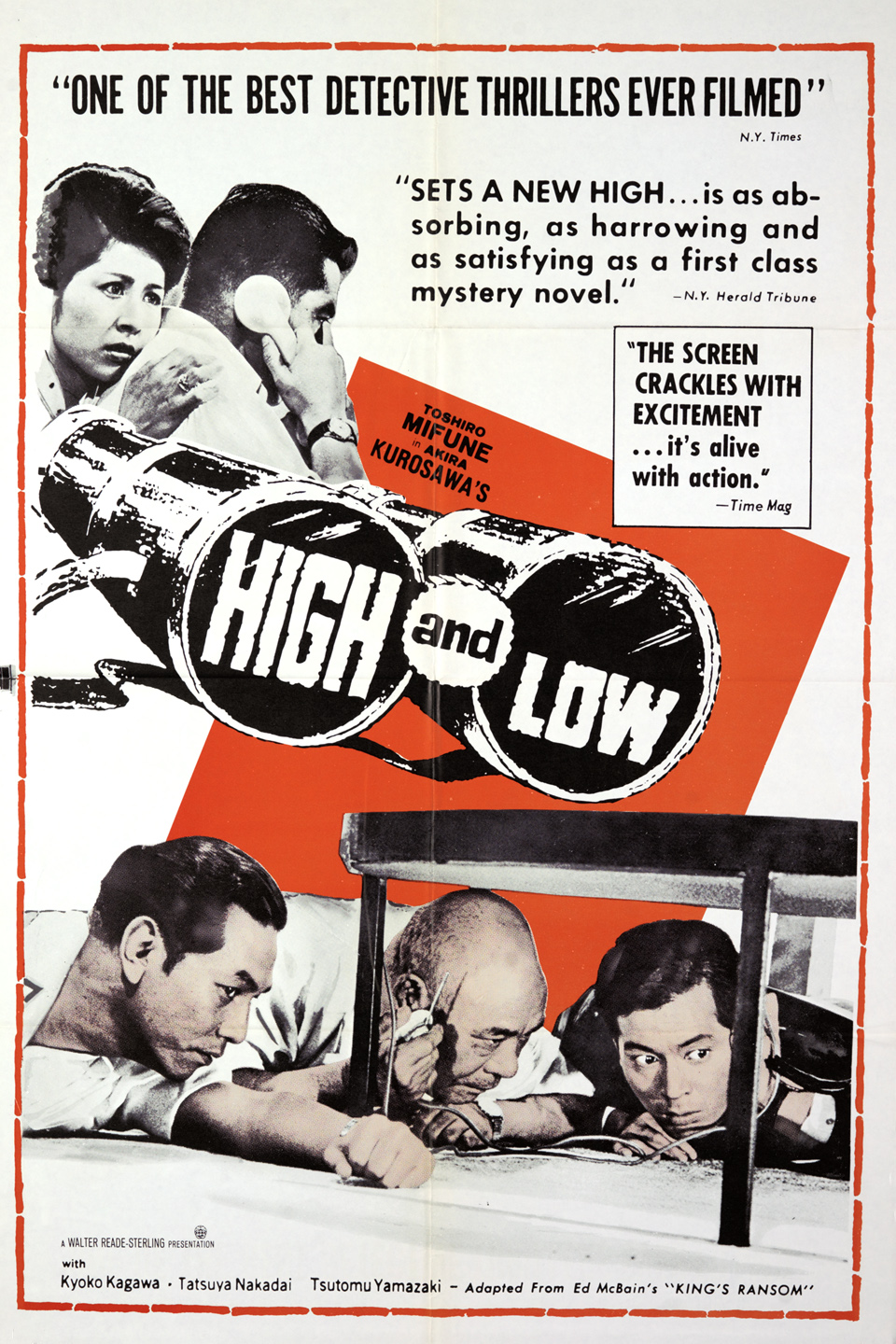
It’s the story of a wealthy businessman (who’s having issues, of course) whose son is kidnapped and he agrees to pay a ransom. Only it’s not his kid, it’s his chauffer’s taken by mistake. Will he do the right thing? That’s the first half of the movie, with the back half a tight police procedural tracking down the kidnapper. It’s wild to see Japanese cops work so selflessly, professionally, and with coordination, versus the usual rule-bending cowboys favored in American movies.

I wrote a bit about High & Low and how Lee’s joint, Highest2Lowest compare here. It’s not the masterpiece the original his, but it’s pretty good with some excellent set pieces.

The other old movie I finally got around to seeing last year was The Great Dictator, Charlie Chaplin’s satire of Hitler and fascism.
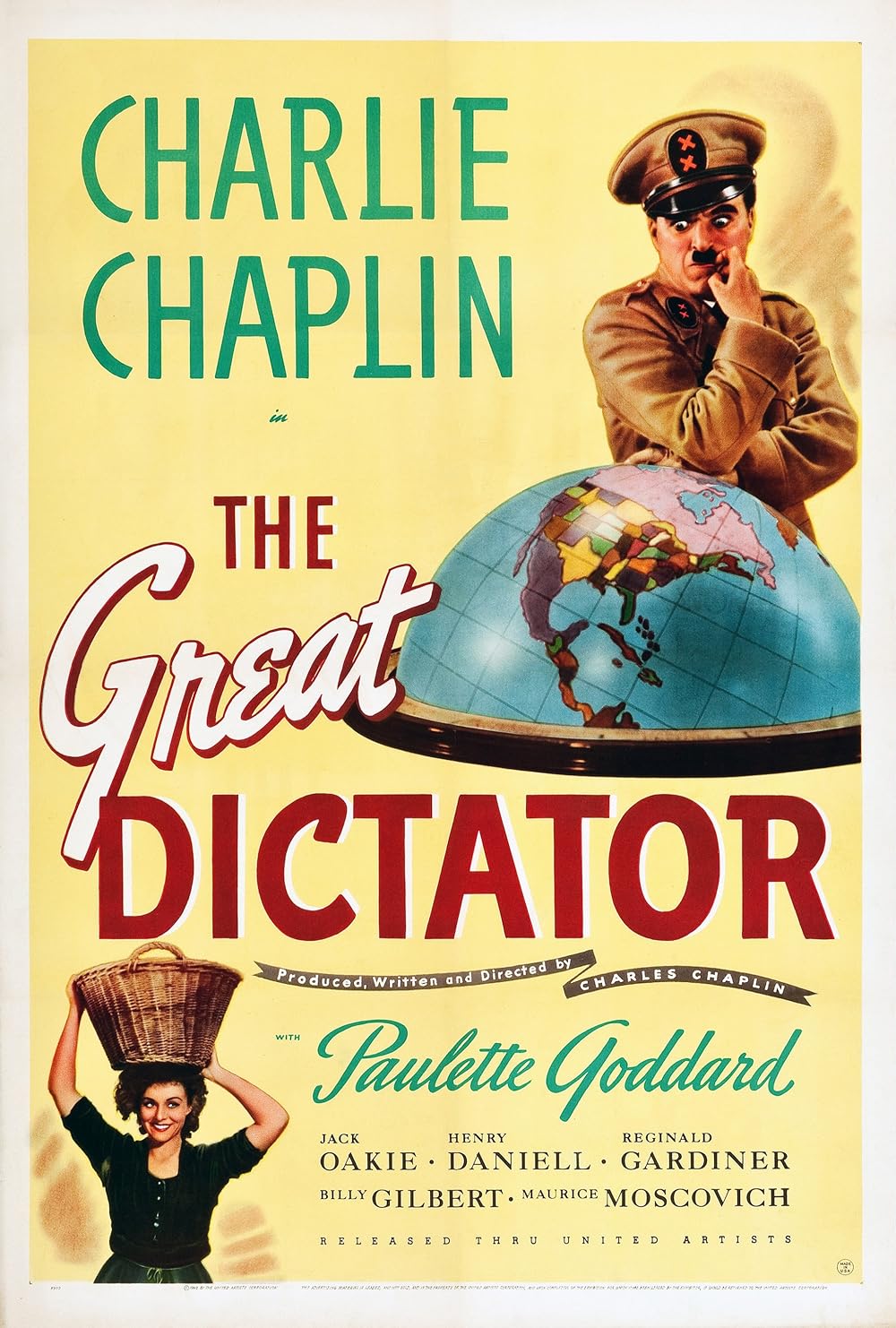
Can’t imagine why that felt sadly relevant in 2025 (or 2026).

All that said, I wanted to highlight a couple of great movies I’m very glad I got to see on the big screen.

The first was Sinners, the long-simmering passion project from Ryan Coogler.
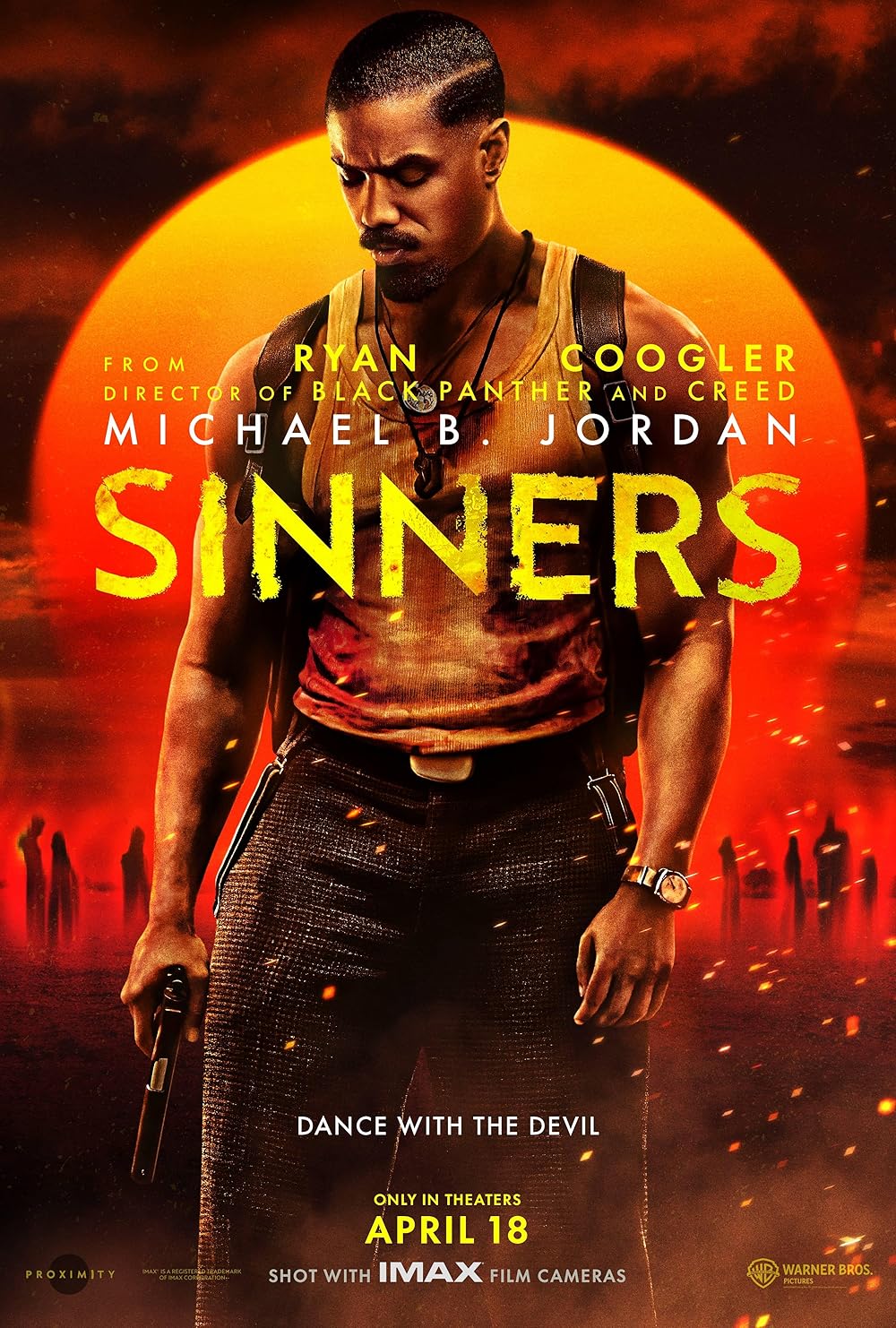
This was my favorite new movie I saw in 2025. I was a little suspicious (at one point someone said it was a musical, which, no thanks?) when I first read about it and the effusive praise it got upon release just upped my natural anti-hype reflex. It lived up to it, big time. The world building was completely immersive. The scene where the song in the juke joint turns into a rhapsody across time and culture was amazing. And Michael B. Jordan brought more reality to the one-guy-playing-two-dudes thing than most.

The other great new movie I saw in theaters was Weapons.
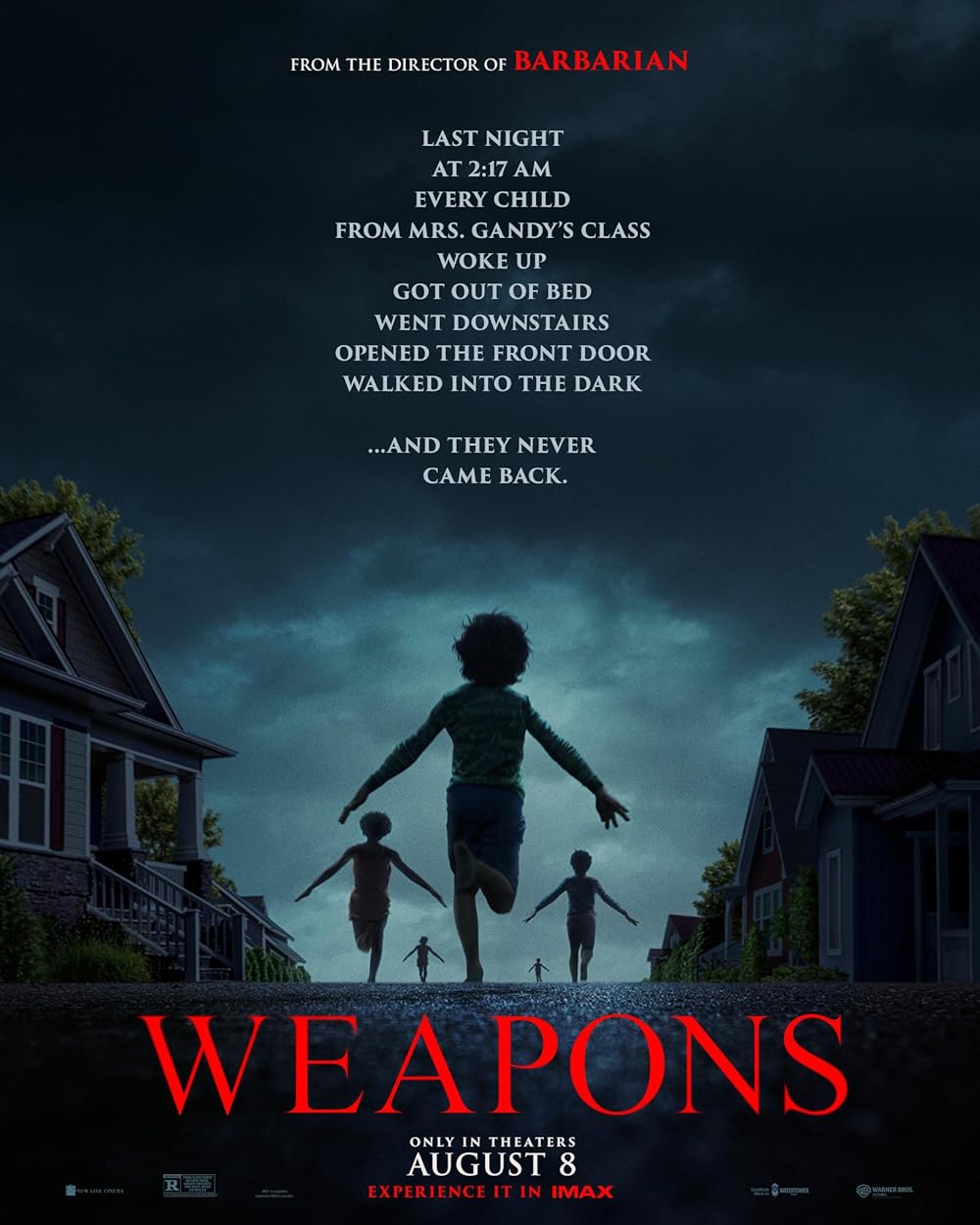
It starts with a fabulous premise – what if, one night, all the kids in a particular elementary school class just disappear (technically they run away, but still). The movie does a good job of showing how unsettled the town gets, where blame gets put initially, and the like. The fractured timeline works pretty effectively, so much so that when it lock in for the home stretch it’s kind of disappointing (shockingly hilarious violence excepted). Still, a pretty awesome telling, for the most part. 

But, at the end of the year, it was back to the small screen to see what appears to be the current Best Picture front-runner, One Battle After Another.

This was another one that where my hype reflex kicked in, but it met the challenge, for the most part. I love Boogie Nights and There Will Be Blood so I didn’t find that it reached those heights, but it’s very good. Love the way Di Caprio’s character fails his way through the movie (although he does wind up in the right place when needed), but the supporting cast is just as good (including Chase Infinity, who plays his daughter). Johnny Greenwood’s score is, of course, great. All in all if this kind of “not his best work” Paul Thomas Anderson can make that’s really saying something.

So much for sights and sounds – next week we wind things up with words.
2025 – My Year In Sound

Back with the second installment of my review of 2025 in media. This time, it’s all about sounds, in various forms . . .

Music

Unlike TV, my year in new music in 2025 was pretty limited. That’s probably not the fault of the music world in general (I’ve got several titles scoured from other “Best of” lists waiting for listens) so much as it was me not being into a lot of artists that produced new material last year.

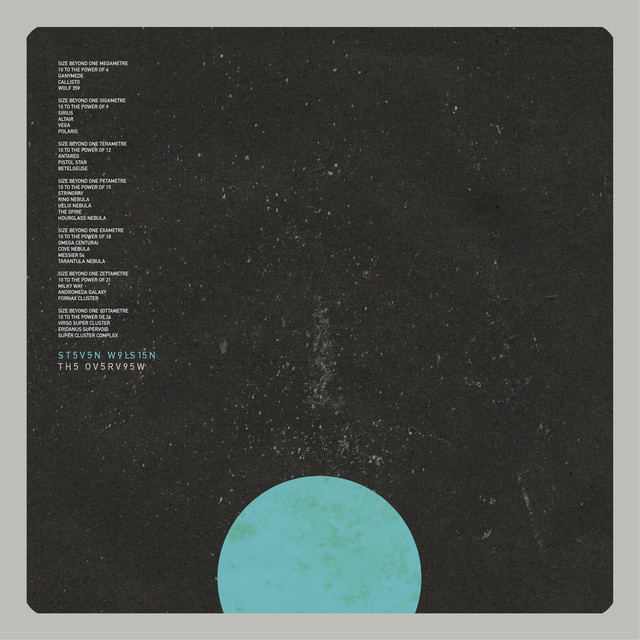
That said, at least there was one gem that came my way, Steven Wilson’s sprawling The Overview.

After a couple of albums exploring more electro-pop territory (not a bad thing, for the most part!), Wilson returned to his widescreen “conceptual rock” roots with this one. Over two side-long hunks of music, Wilson grapples with the “overview effect,” a condition that sometimes hits astronauts when they see the Earth from space and are hit with the insignificance of it all. If that sounds depressing it’s not, particularly if like me you’re not really a spiritual person. There’s some comfort in being galactically insignificant.

This album really came alive for me when I saw him play it live (having dragged my wife along – love you!). Although there was a certain reliance on some backing tracks to get the whole thing out that bug me a little, the playing was all great and the various stylistic sections – from drifty electronics to prog rock workouts and a “day in the life” section with lyrics from Andy Partridge – really flow together. It’s not my favorite album of his, but the more I listen to it the closer it gets.

As for “new to me” stuff for 2025, as it happens the albums that stuck with me most all came out within five years of each other. Let’s work through them chronologically.

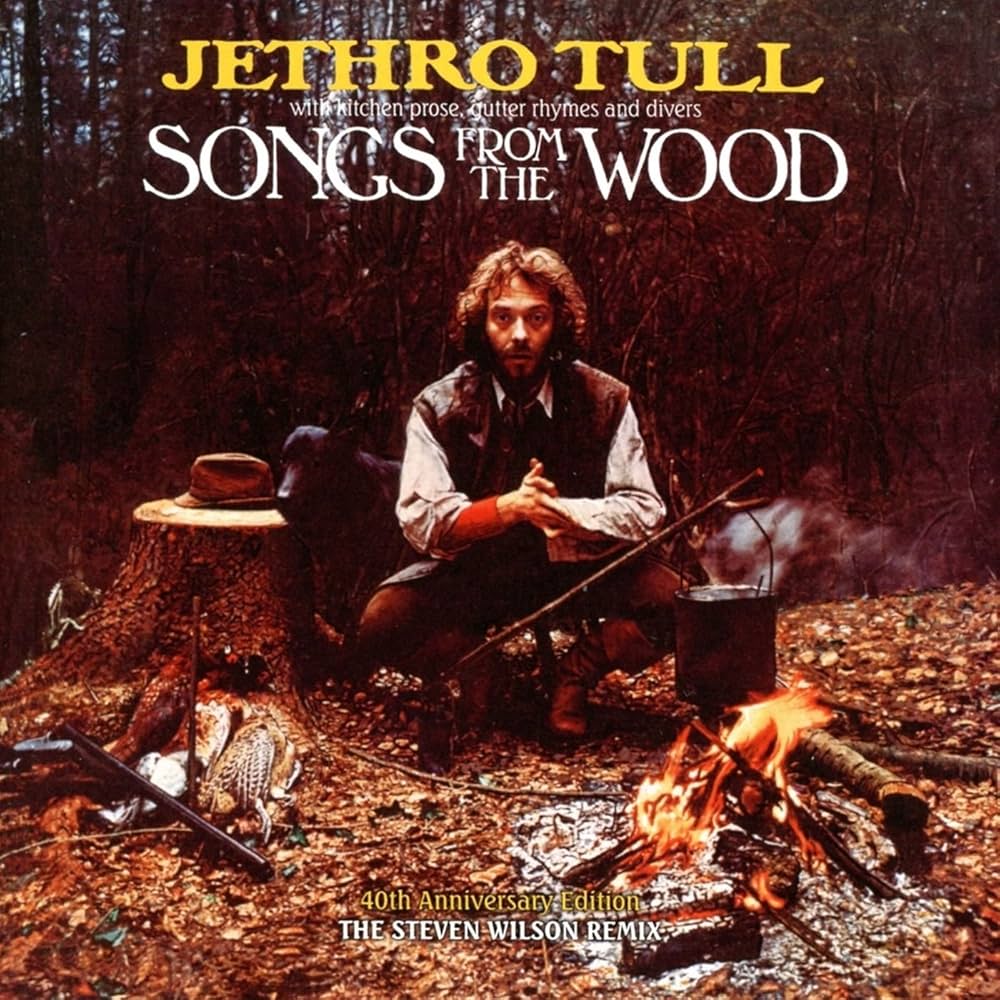
The first was Songs from the Wood by Jethro Tull, from 1977.

My Tull collection was pretty much limited to Aqualung and Thick As a Brick, but on the way back from that Steven Wilson concert, in a Half-Price Books, I found a collection of five Tull albums in their own slipcases for about $10 and had to jump on it. Songs from the Wood was the first of those album and my favorite. It reorients Tull toward more of a folky sound, but there’s still some rock and proggy flourishes here and there. That it starts with some great acapella harmonies is a nice hook.

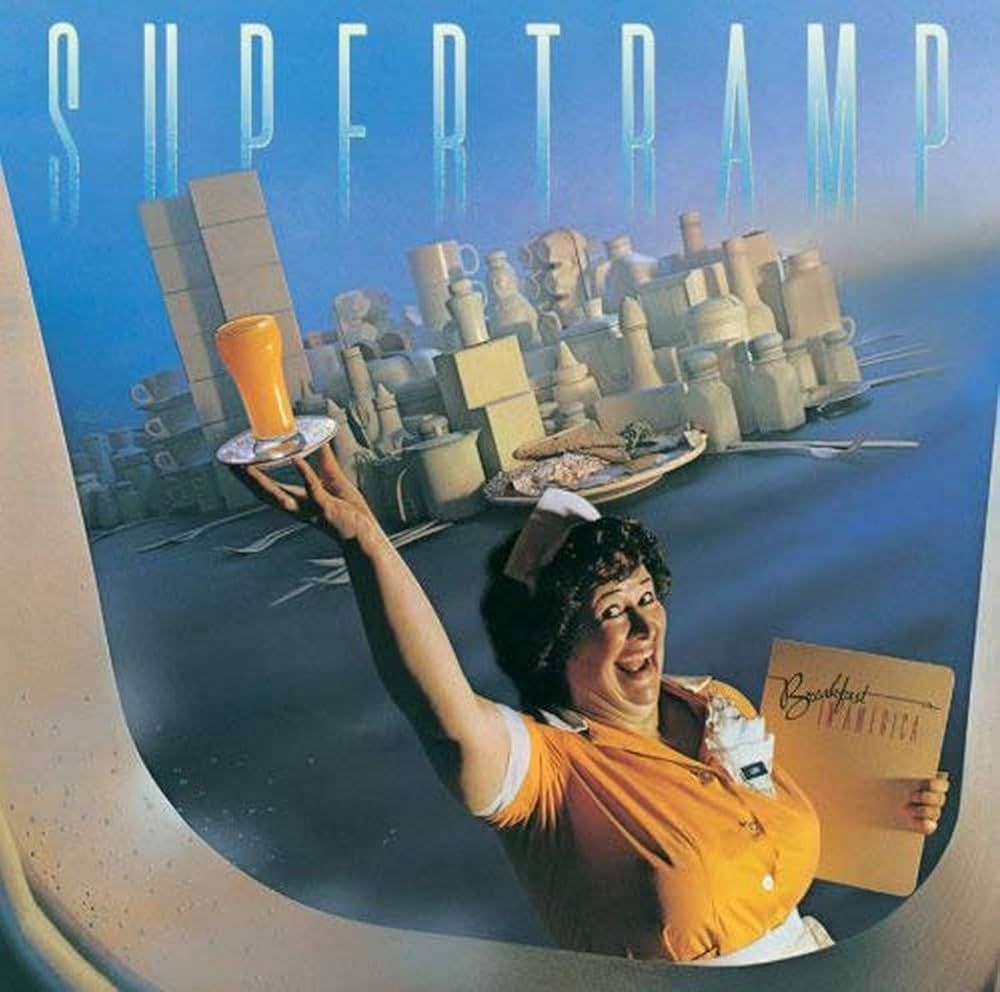
Next up, from 1979, is Supertramp’s Breakfast in America.

Supertramp is frequently referenced as a prog band, but I don’t see it. They’re definitely making arty pop/rock music that was influenced by the fact that bears the influence of prog’s early 70s popularity, but it doesn’t go further than that, for me. Maybe that’s why I like this album better than Crime of the Century, as this one is just full of tightly constructed gems and don’t seem to be trying too hard to be something else. There’s some good snark in the lyrics, too!

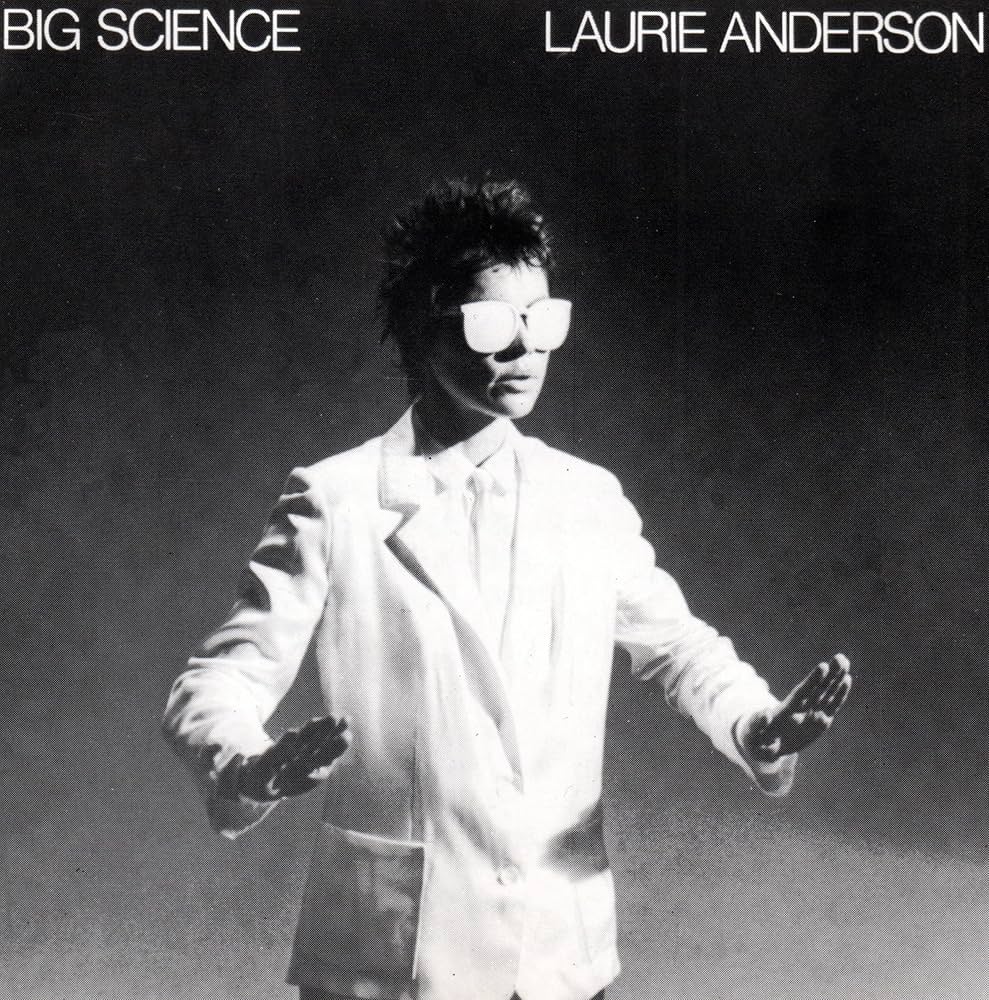
Of course, compared to Laurie Anderson’s Big Science, from 1982, Supertramp sounds like a prepacked boy band.

Amazingly, this album, drawn from an eight-hour (!) performance art piece produced a hit (#2 in the UK!), “O, Superman,” which gives you a pretty good indication of what the whole thing is like:

It’s odd, minimalist, electronic in a primitive way. It’s also pretty compelling and an interesting document of the era. Honestly, if the plane’s going down I’d rather have Laurie’s “From the Air” monologue in my ears than the usual platitudes!

Podcasts

My regular collection of podcasts continued to expand in 2025 (for good or for ill), but I wanted to highlighted a few that jumped out at me last year.

The first two serve related purposes of keeping me up to date on my two soccer teams in the UK, Leeds United in England and Hearts of Midlothian in Scotland. The Square Ball covers Leeds, with Hearts Standard covering (you guessed it) Hearts.

I rely on both primarily for post-match commentary. For Leeds it’s much easier these days to watch every game since they’re back in the Premier League, but I enjoy the level of analysis and sarcasm that the guys on The Square Ball bring. The Hearts Standard episodes are more critical, as Hearts are only rarely on TV in the United States (but are becoming more so now they’re top of the table!). Both shows also do episodes about transfer rumors and such that help flesh things out.

My other new favorite listen is, no surprise, another podcast about music, Prog & Progeny.

In this case the “prog” is Marillion keyboard player Mark Kelly and the “progeny” is his daughter, and documentarian in training, Tallulah. Kelly wrote a book about his career a few years ago and that’s been the structure for the podcast, working forward through his life as a musician. So far the reading of things from his book has been broken up by interviews with various folks from his past, including an engineer and (most recently) a roadie, so it’s getting some different perspectives on the band.

That’s it for sounds – a return to visuals next week with my year in movies.

2025 – My Year In TV

It’s January once again, which means it’s time for me to take a quick look back at my favorite things from the year before. A reminder that these posts include both truly new stuff and stuff that was “new to me” from last year. And, as always, I’m talking about personal favorites and don’t argue that any of these are the “best” of their kind. Still, I’d recommend everybody check them out.

With that said, let’s kick things off with the small(er) screen . . .

2025 was a hell of a year for television. Either that or I just did a better job of keeping on top of new series that it really seemed like a hell of a year. In fact, going back over my notes, just about everything that caught my attention in 2025 was actually new.

The Pitt, for example, was just as good as everybody said it was.

We came to it late – in fact, for months all I really knew about it was the legal wrangling over its status as an unauthorized ER sequel. I’m not the hugest fan of medical dramas, but it was hard to ignore all the buzz. We binged it over a weekend once all the eps were dropped and, needless to say, that was a pretty intense couple of days. The series is really good, though, as provided some moments of light and dark humor so it doesn’t feel like crushing dread all the time.

By the time we got to it The Pitt wasn’t a surprise, but Adolescence sure was.

I was sold on the format before I read any real reviews – the story of a teenaged girl’s murder and the hand of similarly-aged boy, told in four single-shot episodes – that I was in. That it touched on crime and the mechanics of the (British) criminal justice system was even better. Each episode was great, with the third episode – a suspect and interrogator (in this situation, a forensic psychologist) bottle episode that reminded me of the classic episode of Homicide – a true standout.

I’ve written previously about how the formats of The Pitt and Adolescence impacted their stories here.

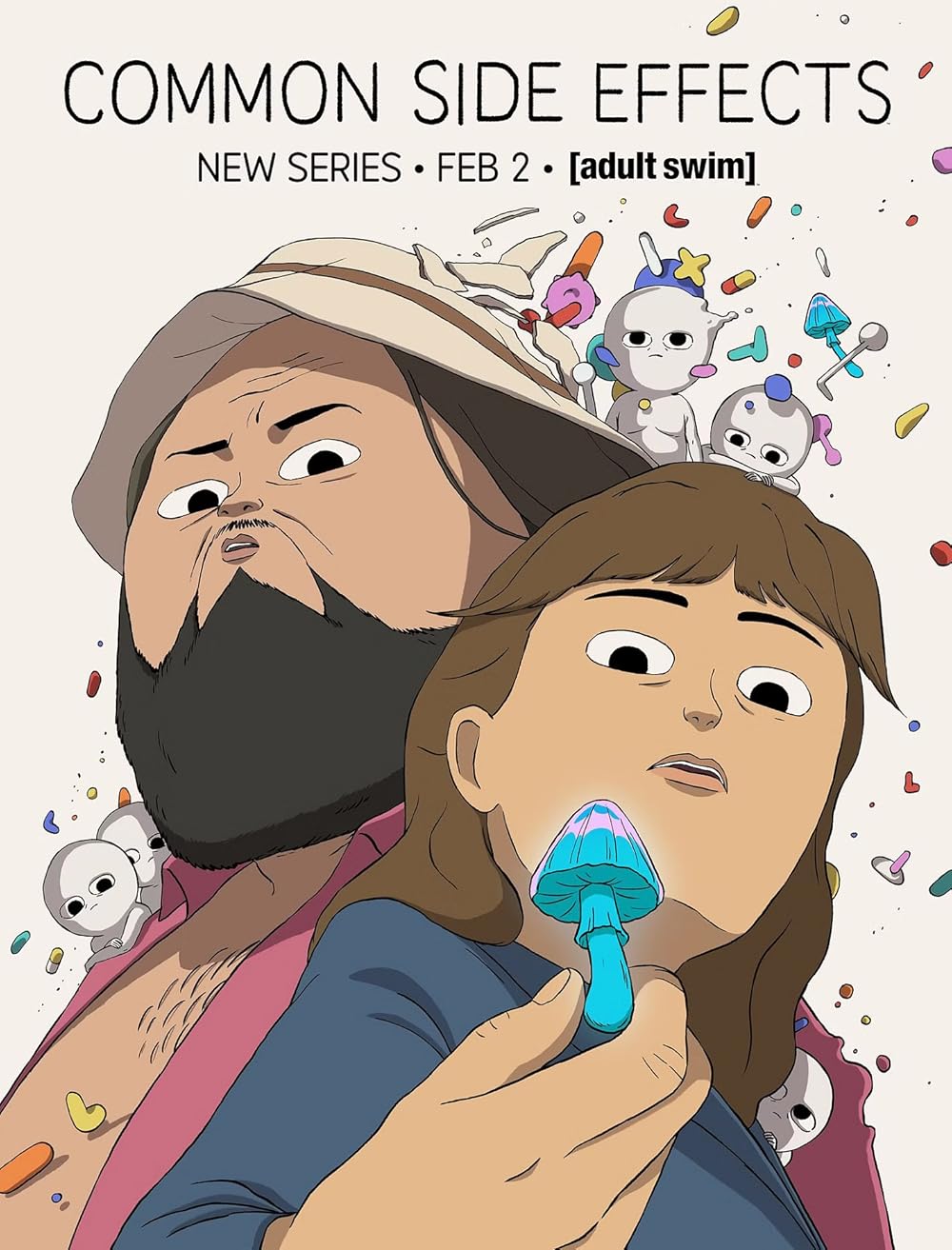
Less formally inventive, but visually dazzling, was Common Side Effects.

Created by (among others) one of the minds behind the equally excellent Scavenger’s Reign, it’s the story of a schlub who discovers a mushroom in South American that has amazing healing properties – but also causes those to take to start seriously tripping balls. The show takes full advantage of the limitless possibilities of animation to demonstrate these freakouts and show a story of corporate corruption and deep paranoia. Can I say, as a public defender, how much I loved the lead pair of cops?

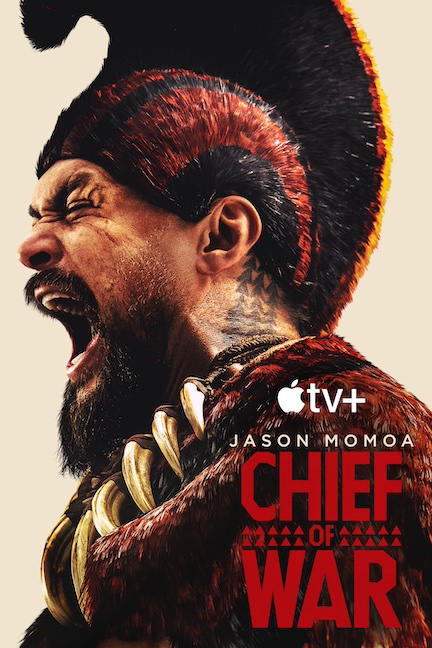
My pleasant surprise for 2025 was Chief of War, the Hawaiian historical drama from (yes) Jason Mamoa.

It was, honestly, a little bit of “what if Shogun, but Hawaii?,” but it looked amazing and it was very cool to have another story like this that centered the indigenous people and culture. It doesn’t quite live up to Shogun in terms of the script or acting, but it’s a solid historical adventure with some big bloody set pieces, not to mention lots of Mamoa running around without a shirt on (if you’re into that kind of thing – my wife is!).

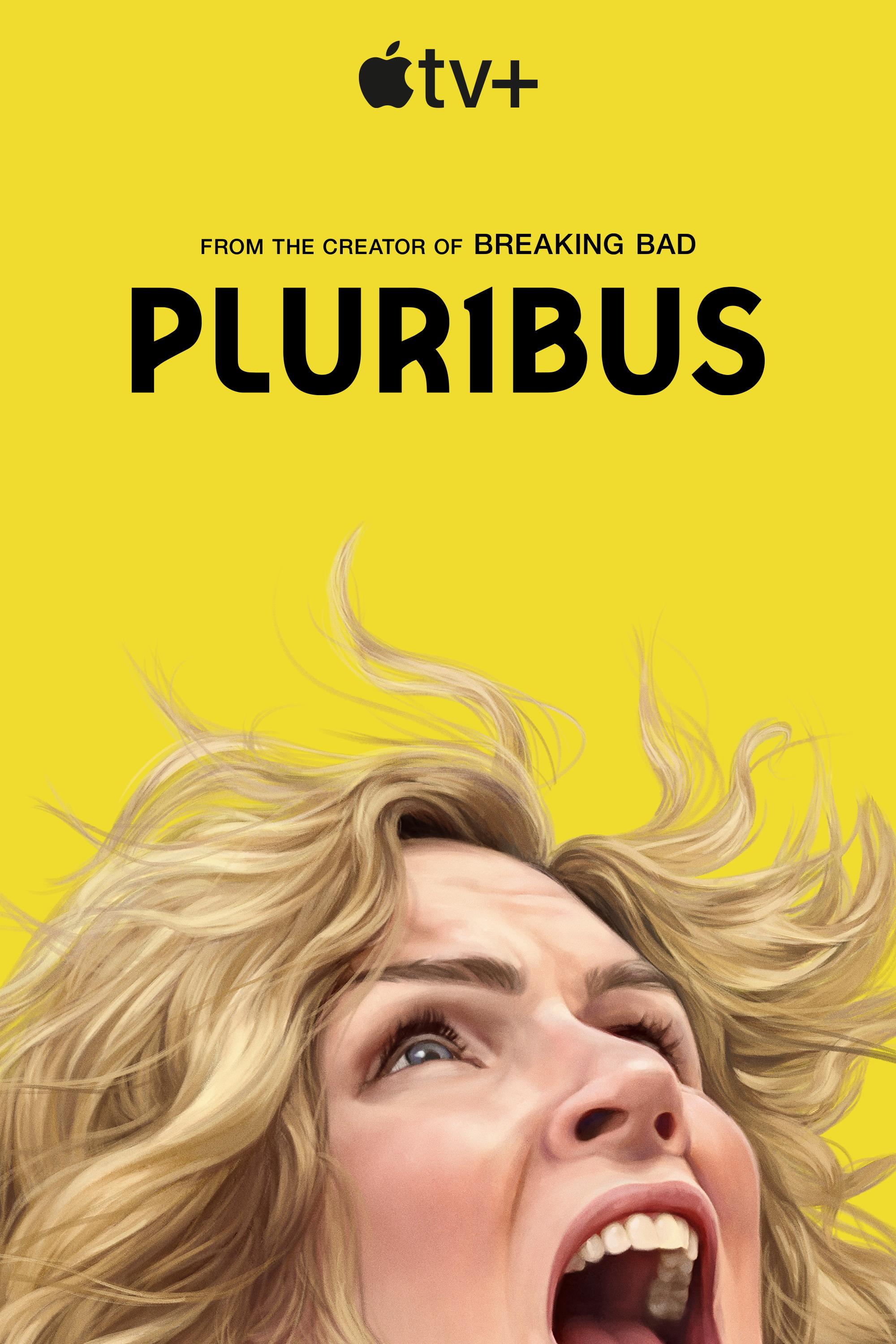
Last of the new stuff that I really enjoyed was Pluribus.

This was another one I was down for the moment I heard that it was from Vince Gilligan, he crafted it for the criminally un-Emmied Rhea Seehorn, and he was returning to sci fi (he wrote for The X-Files, remember). I will admit that I admire Pluribus more than I loved it. Seehorn’s character is hard to take at times (hitting a little too close to home sometimes, too) and, having binged it, I can grasp why people think it’s slow. Still, I think folks who are looking to solve mysteries on the show are doing it wrong – it’s about Carol and her changes (or maybe lack of changes), of which I’ll write more later.

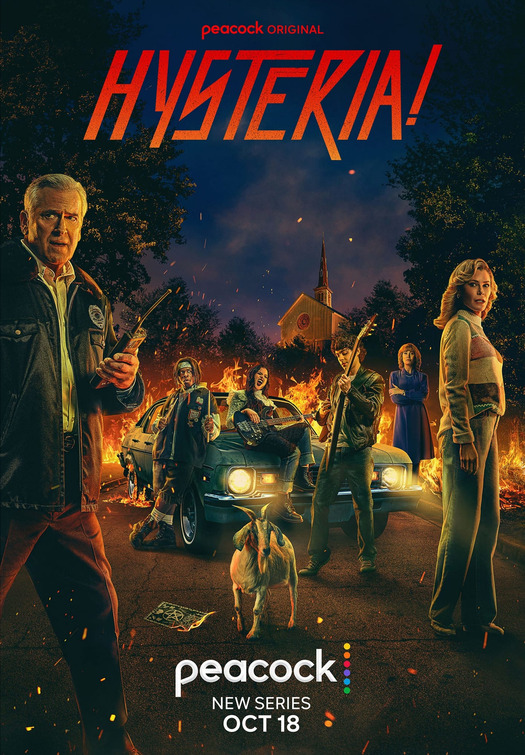
As for “older” stuff (for a certain definition of “older”), the one that really jumped out, from the unusual locale of being a Peacock original, was Hysteria!

From 2024, but set in the suburban 1980s, it’s the tale of a shitty heavy metal power trio trying to get off the ground just around the time of the Satanic Panic. They, naturally, rebrand themselves as Satanic and start to draw a following. I thought the show was really funny and well done (the music was spot on), but ultimately the show didn’t quite know whether it was about the panic or actually something demonic happening. Would have gladly watched more, but it was cancelled after one season.

Other than that, the notable departure for the year was Andor, which wrapped up its second and final season.

Was it a great series in its own right? Yes. Was it the best bit of Star Wars to come down the pike for a long long time? Also yes. Did it suffer from a need to tie into Rogue One and the rest of the established cannon? Unfortunately. Not enough to ruin it or drag it down too much, but it was particularly noticeable as the series came in for landing. Still, the build up was excellent. More like this, please.

That’s it for the small screen – next week, let’s talk tunes.

Highs and Lows

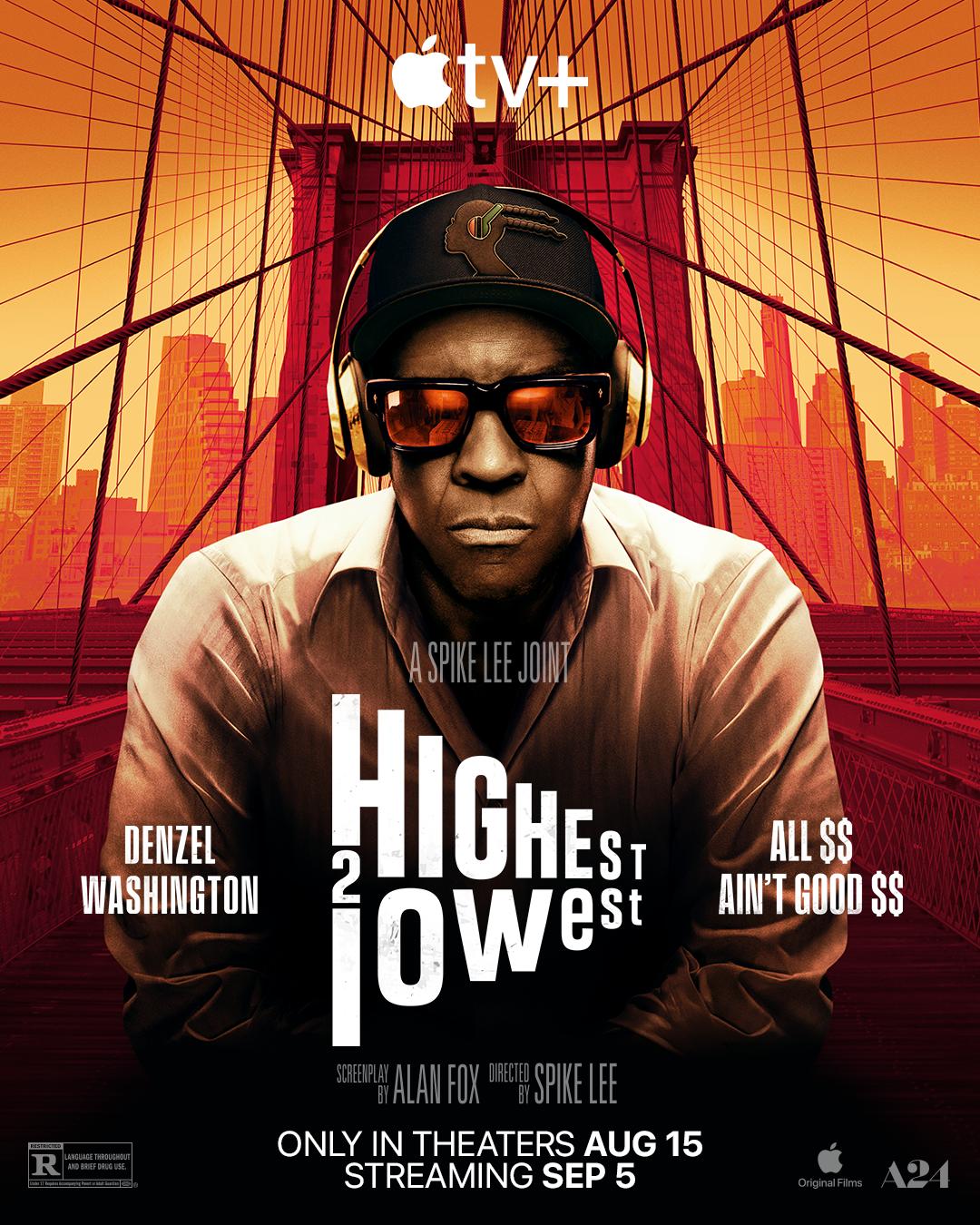
When I found out earlier this year that a new Spike Lee Joint was on the way, I was excited. When I found out it was an adaptation of an Akira Kurosawa film – one I’d not yet seen – I was doubly thrilled. So how does Highest 2 Lowest compare to High and Low? Not as well as it might have, but I kind of think that’s the point. There will be spoilers aplenty!

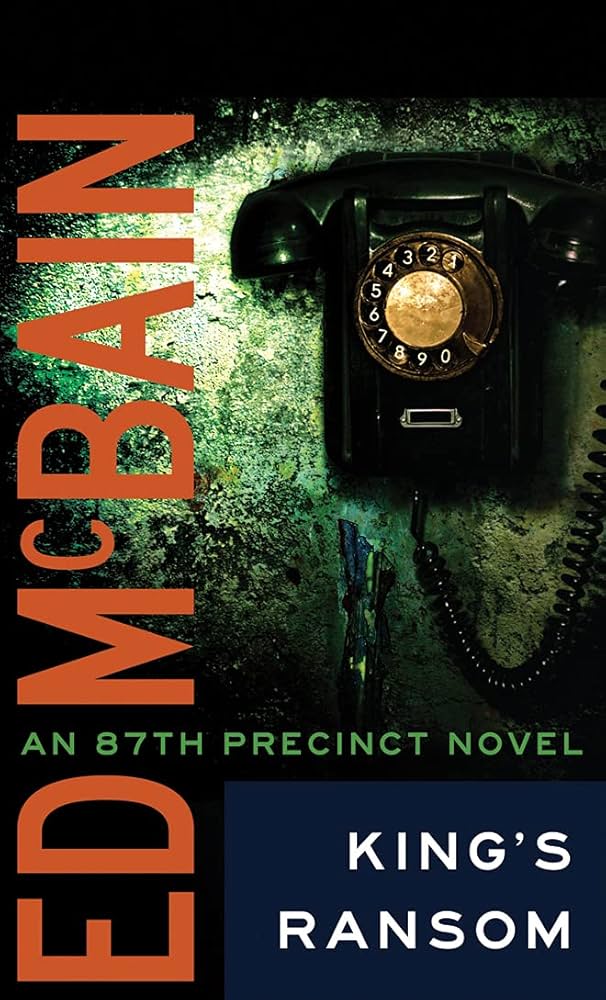
It’s worth noting that both movies have their roots in a 1950s hard-boiled detective novel, King’s Ransom by Ed McBain.

No, not that McBain. “Ed McBain” was a pen name of Evan Hunter, who also wrote the book The Blackboard Jungle (on which the movie was based) and the screenplay for The Birds. King’s Ransom was part of a series of books dealing with a particular group of cops and tells the story of a wealthy magnate (named King, hence the title) who, while angling to take over his company, learns that his son has been kidnapped. The twist is that the kidnapped kid is actually his driver’s, which leads to a conflict as to whether King will pay the ransom or not.

Neither film, it turns out, is a particularly faithful adaptation of the book for a simple reason – in the book (so far as I can tell – I’ve not actually read it) King decides not to pay the ransom. The plot is entirely taken up in a will he/won’t he. As we’ll see, both movies use the ransom stuff as more of a jumping off point, although they go to entirely different places.

Both movies, though, at least use the same setup as the book. High and Low, which came out in 1963, stars Kurosawa regular Toshiro Mifune in the King role (since the names are basically the same in both movies I’ll refer mostly to actors’ names instead) as an executive leveraged to the hilt in an attempt to take over the shoe company he runs.

In Highest 2 Lowest, by contrast, Denzel Washington plays the aging head of a music label of which he’s trying to regain control.

He’s not in quite as much financial peril as Mifune, but the nature of his business raises bigger concerns (about, for instance, a historical driver of black culture being stripped for parts after a takeover). It’s a subtle difference, but an important one.

The relationship between mogul and driver is quite different, as well. Mifune’s relationship with his driver is purely business and plays out through rigid class distinctions. Their kids play together, but there’s never any forgetting who is the boss and who works for whom. Denzel, by contrast, has a much deeper relationship with his driver (played by Jeffery Wright), one that suggests common roots, if different life paths. The pairing of Denzel and Wright is great and Highest 2 Lowest is often best when it focuses on them, but the deepening of that relationship drains some of the suspense out of whether the ransom will eventually be paid.

Although there’s not really any doubt on that. Beyond the fact that there’s no back half of these movies without the ransom being paid, the fact is there really isn’t much of a moral argument against paying it. Practical, yes, but not moral. To have either Mifune or Denzel hold out would have ruined their characters (or made for very different movies). That said, how the decision gets made is also subtly different. Mifune never decides to “do the right thing” (so to speak) and pay the ransom, but agrees to a police scheme to pay it as part of an operation in which, he’s promised, they’ll get the money back. It’s unclear exactly why Denzel has a change of heart, although getting the money back is also mentioned by the cops he works with, too. I suspect that vagueness is intentional, but it’s a little frustrating.

Where both movies shine, in different ways, is the sequence where the ransom money is actually turned over. Both take place on trains. The kidnapper lures Mifune onto a train where he thinks the handoff will take place, only to be instructed to toss the bag with the money out a window going over a particular bridge. It’s a taut, tense sequence where it looks like everything is spiraling out of control, but actually isn’t. Denzel is likewise lured onto a train, a subway train bound for Yankee Stadium (allowing Spike Lee to indulge in some amusing Red Sox hate). It’s more sprawling than taught, but equally vibrant in a completely different way, accented with chanting Yankees fans and a chase through a Puerto Rican Day parade. Musically this is where Highest 2 Lowest is at its best, both in the propulsive jazz piano score and the sweet Latin fusion of the late Eddie Palmieri and his band (performing for the parade).

It’s here where the movies diverge greatly, leading one to ask whether “adaptation” is the right description for what Highest 2 Lowest is. Which one works better for you will probably come down to what you look for in movies.

In High and Low, once the money is dropped Mifune is almost entirely absent from the rest of the film. The focus shifts to the police who, with the kidnapped kid safely rescued, work on tracking down the kidnapper and the money. There’s some time spent with the kidnapper himself, as well, but we’re mostly with groups of cops trying to track down leads. The driver helps with one, but aside from a couple of quick check ins Mifune is absent. What proceeds is almost like a time capsule from an era were cops were dedicated and incorruptible, going above and beyond. It’s almost like a fairy tale.

Highest 2 Lowest, by contrast, slips into action movie mode. The cops here range from ineffectual to flat out racist and are more wedded to procedure than anything else. When Denzel, who we’ve been told over and over again has the best ears in the business, delivers a pretty damned good clue as to the kidnapper’s identity thanks to them, the cops shrug it off. The dedicated police procedural of Kurosawa’s film instead becomes a kind of buddy movie, with Denzel and Wright teaming up to find the kidnapper and get the money back. This allows Denzel to come face to face with the kidnapper (a rapper played by A$AP Rocky) in a cracking scene in a recording studio that has the rhythm of a rap battle. It also personalizes the motives of the kidnapper, for better or worse.

Oddly, then, both kind of come back together at the end. In High and Low Mifune, who has lost just about everything (some of the money was recovered, but not quickly enough to save his home, much less the corporate takeover), has a final confrontation with the kidnapper in prison, during which the kidnapper explains his motives. Highest 2 Lowest has a similar scene, although Denzel comes into it in a much better position, and it feels a little redundant given the prior confrontation in the recording studio. The motives are also quite different, with Mifune’s tormentor choosing him as an avatar of wealth lording it above the rest of society, while Rocky is bent out of shape at not being recognized specifically by Denzel for his musical talents. Highest 2 Lowest then ladles on a coda showing Denzel’s relaunch in life and business, a stark contrast with High and Low’s decidedly downer ending.

With all that said, does one work better than the other? Like I said, I think that it depends on what you’re looking for. In spite of their common roots, the movies are quite different and it’s unfair to judge Highest 2 Lowest against High and Low in the way you might judge a movie version of a book. They are different things getting at different ideas. And, if anything, the thing they’re least interested in are what they take from King’s Ransom.

Highest 2 Lowest has, for my money, more highs and lows than the prior film. Some scenes – the money drop and chase, Denzel’s initial confrontation with the kidnapper – are electric. Some others are a little sluggish, particularly in the first half. In fact, the critical consensus seems to be that the first half is bad, the second half good. I think that’s overly simplistic – High and Low’s first half skates by on a lot of technical mastery (framing, shot composition, etc.), which kind of overlooks how non-compelling the actual moral dilemma is. Highest 2 Lowest doesn’t get the same break. Highest 2 Lowest also offers the Denzel/Wright pairing, which is unlike anything in the other film. That said, while it does lead to some great work on screen, it also slightly undermines what tension there otherwise could be over whether the ransom is ever going to get paid.

Where High and Low shines is in its broader themes. My understanding is that some critics initially read it as an indictment of capitalism and I definitely get that. This is where Mifune’s business venture being less compelling than Denzel’s pays off because it makes his choice even more stark – he’s going to risk some poor boy’s life for shoes? Additionally, because it ends with Mifune basically stripped of everything it implies that he’s paying a price for not doing the right thing for the right reasons. High and Low also really lives up to its title, shifting from one milieu to the other halfway. Its kidnapper could have targeted any rich guy as a blow against the system.

In the end, I don’t think Highest 2 Lowest is going to supplant High and Low, but I don’t think that was its intent, either. It is, to borrow the musical terminology of the movie, a riff on a common theme. High and Low is a classic for good reason and one of the highlights of Kurosawa’s career. Highest 2 Lowest is pretty good, but I don’t think anybody will think it’s knocking any earlier Lee movies out of his top five or so. It’s definitely worth a watch.

Is There a Fourth Album Curse?

I never thought about whether there was a “fourth album curse” until the other day when I saw this AV Club article about fourth albums that beat the curse. The concept is pretty thinly sourced – a 2011 discussion forum thread and an article about Franz Ferdinand, in which its leader said:

Alex Kapranos once found himself dreading an inevitable milestone with his band, Franz Ferdinand: their fourth album. “At that point a lot of people are going, ‘Why are you still here? Why are you still doing stuff?,’” he recalls.

I can sort of see his point. By the time an artist has been around to release a fourth album the novelty has worn off and, depending on who they are, things can start to get a little familiar. With Beardfish, for example, I jumped on the train with their second album, The Sane Day, which is great.

I really liked the next two as well (the Sleeping in Traffic duology), but by the time Destined Solitaire rolled around – my fourth album with them, their fifth overall – the sheen had worn off. It’s not a bad album, by any stretch, but it failed to wow me and nothing they’ve done since has sparked the same sonic joy for me.

But let’s assume the premise is true – arguendo, as they say in the legal world – and see if there are some other artists who knocked it out of the park on their fourth (studio) album and avoided this so-called curse.

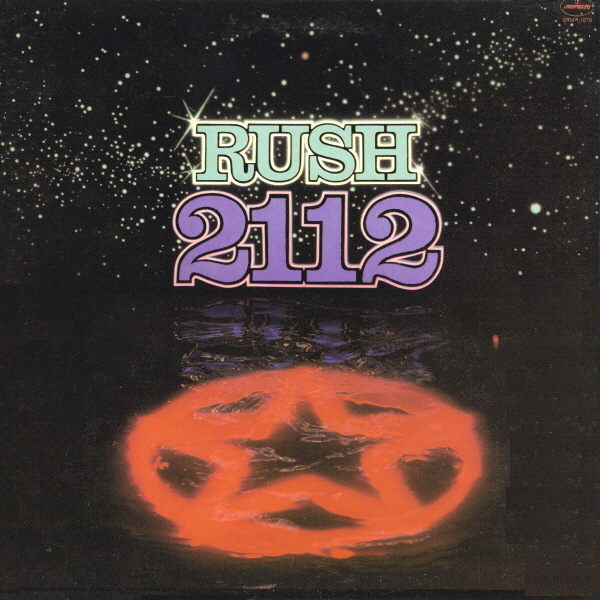
The one that immediately sprang to mind when I read the article (it showed up in the first comment, too), was 2112 by Rush.

Although their self-titled debut had gotten some traction, Rush’s second and third albums hadn’t really moved the needle. Faced with a record company giving them one last chance to produce a hit they decided to say “fuck it,” do their own thing and, if necessary, go down swinging. Alas, the album, particularly the side-long title track, really clicked with a certain group of fans and the rest is history. 2112 is literally the album that made Rush what they turned out to be.

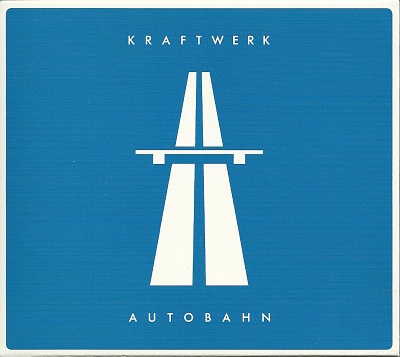
Another band whose fourth album, propelled by a side-long title track, signaled their trailblazing future was Kraftwerk with Autobahn.

Up to that time, Kraftwerk had been of a piece with the rest of the Krautrock scene, experimental and not generating much particular notice. Autobahn marked the full embrace of electronic sounds (although there’s still some guitar and flute in there) that would find full flower on later classics like Trans-Europe Express and The Man Machine and set the scene for the synthpop and electronic music boom of the modern age.

An artist of a completely different variety, but with a similar swerve, is Bruce Hornsby. After the megahit of “The Way It Is,” his next two albums with the Range produced reduced commercial returns (although they’re both pretty good). For Harbor Lights, his fourth album, he changed things up.

For one thing he ditched The Range, not just in name but in body, aside from drummer John Molo. In their place he brought in a host of players with jazz (and related) cred, including Pat Metheny, Branford Marsalis, Jerry Garcia, and Phil Collins. The music brings in more influences from jazz, bluegrass, and classical music that would define Hornsby’s music in the years to come. It’s not a Kid A seismic shift, but it’s pretty significant.

Somewhat closer to the spirit of Kid A was Dazzle Ships by Orchestral Manoeuvres in the Dark.

After several successful albums, capped by Architecture & Morality, the band did a swerve into samples, found sounds, and collages. There are a few pop-facing songs, sure, but it’s more experimental and, as a result, kind of bombed compared to previous releases. It didn’t shift OMD’s style or anything, but it’s a solid example of a band using its success as a chance to do something different and mostly succeeding.

Finally, echolyn’s fourth album, Cowboy Poems Free, certainly belongs on this list.

It was their third album, As the World, that was supposed to be the big one, an unabashedly progressive rock record released by a major label (Sony) in the middle of the grunge-fueled 1990s. However, personnel at the label changed, the album was released with no real support, and the band broke up. But they returned in 2000 with Cowboy Poems, a little older and wiser (?), at least about the mechanisms of the record business. They’ve kept going (slowly, at times) ever since, release some really brilliant albums. For them, the fourth album was a “yeah, we can still do this” moment.

I’m sure there are plenty of fourth albums out there that fall flat, but, on balance, I’m not sure there’s such a thing as a fourth album curse if you can muster this many exceptions. Or maybe it’s more of a nuisance than a curse – in which case, why make such a big deal about it?

Music for Its Own Sake

Information is not knowledge.

Knowledge is not wisdom.

Wisdom is not truth.

Truth is not beauty.

Beauty is not love.

Love is not music.

Music is THE BEST

– Mary, from the bus (via Frank Zappa, “Packard Goose”)

Even before the current administration’s crackdown on education, it wasn’t unusual to see band directors or other music educators arguing for, if not more funding for school music programs, then at least no more cuts. Often, music education supporters trot out a graphic like this in support of such arguments:

That’s great and it’s important that the public knows that stuff, but whenever I see it I feel like it risks turning music – and art in general – into something transactional that we do, or teach kids about, only because its boosts the bottom line down the line. Isn’t it enough to make and embrace music for its own sake?

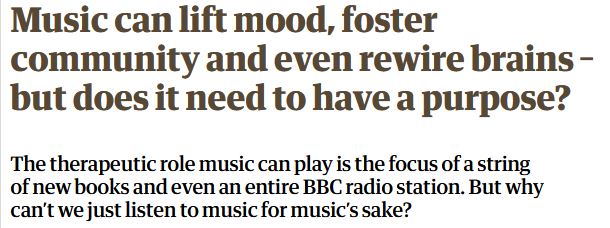
This all came back up when I saw this article by Emily MacGregor in The Guardian:

MacGregor talks about a recent rush of books about the healing powers of music and focuses on a new BBC station called “Radio 3 Unwind”:

Programming on Unwind is light on chat, but heavy on second (i.e. slow) movements and, er, birdsong. The schedule consists mostly of playlist-type shows with names such as Mindful Mix and Classical Wind Down and features plenty of recognizable choral, piano and instrumental classics from big hitters such as Chopin, Purcell and Mozart, alongside an emphasis on new music and composers from diverse backgrounds.

Unwind’s presenters often have psychology or mindfulness credentials – and above all soothing voices. When I tune in, I find myself being encouraged to consider “the grandness of the natural world” by an authoritative baritone against strains of undulating woodwind, majestic strings, sonorous horns. “You breathe, as nature would have you breathe. You are alive.” Hmmm. A Shostakovich symphony this is not. I can’t quite shake the feeling that I’m settling in for a spa treatment.

I’m not here to poo-poo the healing power of music. Many a frustrating days at work have been made right by a drive home with the windows down, tunes blaring, and me singing along so enthusiastically I start losing my voice. Without a doubt, music can make you feel better. But isn’t it so much more?

Back to MacGregor:

The anxiety is that Unwind devalues music, so that we start thinking that it is only of value insofar as it’s useful for something else. Mightn’t Unwind encourage listeners to think classical music is little more than bland background muzak, with nothing to say? Criticism has come from all directions: the BBC has been accused of selling out, of dumbing down, of anaesthetizing listeners and of relegating classical music to the awful category of “ambient”. There’s been a rallying cry for the intrinsic value of music, music for music’s sake.

Hey, now, let’s not take shots at a foundational part of electronic music, shall we?

Anyway, I agree with MacGregor’s statement that she’s “allergic to the suggestion that music needs to be attached to claims about something else to be worthwhile,” I don’t necessarily see research about the benefits of music as problematic. The problem is more with a society that views anything that isn’t “productive” (where “productive” probably means economic gain) has to justify itself in some way. It should be enough to listen to a symphony or a Marillion song because it brings you pleasure, on some level.

Thus, I’ll join fully in MacGregor’s conclusion:

Where the art-for-art’s-sakers and the music-for-healing camps find common ground is in the idea that as a society we’ve lost sight of how important music is. Over the past decade, there’s been a sharp decline in UK sixth-formers studying the arts, following the government’s “strategic priority” emphasizing Stem subjects. But music is not the icing on the cake of an existence dominated by science, technology and economics; it’s (to push a metaphor too far) the rich butter whipped right through the mix. We are aural creatures, reverberating together.

Listen to Mary – music is the best.

“Bone Valley” and the Crushing Weight of Finality

I occasionally get appointed to what are called “cold record” appeals, so called because the lawyer handling the case on appeal (that’s me) is not the same person, or from the same office, who handled the case at trial, plea, or sentencing. In those cases I have a letter I send that explains just what a direct appeal is and what it isn’t. Part of that spiel is that in the United States courts of appeals generally don’t review the facts of cases. They’re looking for legal error (for which the facts may be relevant), but generally the question of “did this person actually do it?” has already been answered and the court of appeals isn’t going to revisit that.

It’s called “finality” and it is, in many ways, the hobgoblin of our criminal justice system. It’s the idea that once someone is convicted of a crime it becomes really difficult to even get a court to look at the question of guilt/innocence, much less in a way that might actually result in a conviction being reversed. It’s something that a lot of lay people don’t understand and find frustrating – which I do, too!

I was thinking about this while listening to season one of the podcast Bone Valley.

The subject is Leo Schofield, who was convicted of the 1987 murder of his wife, Michelle. The podcast covers not only the initial investigation and Schofield’s trial (for which the evidence presented is pretty slight), but also his attempts to get a new trial after evidence turns up pointing to another man, Jeremy Scott, as the killer. Scott eventually confesses, but even that’s not good enough for Florida courts, who denied Schofield’s requests for relief (he was eventually released on parole in 2023).

Bone Valley does a pretty good job as a “whodunnit,” but there’s a gaping hole in the middle of it when it comes to the law. Nobody ever comes out and says just what Schofield has to show to get a new trial. What is the standard of review? Is it enough to show newly discovered evidence or does he have to show it’s of a kind that it completely undermines his conviction? Does it matter that Scott tells a half dozen different stories and isn’t particularly reliable as a witness, but appears to get some details right that only the killer would know? The show presents its case as if courts now are looking at the question of guilt anew, but they aren’t.

Let me give you an example. The state, of course, has a theory as to how Schofield killed his wife and can marshal some facts to back it up (not enough, in my opinion, but a jury disagreed). A couple of times Bone Valley dings courts for taking the state’s gloss on the facts as gospel truth, as if they’re just gullible doofuses.

Only that’s how review of facts in criminal cases generally work. On appeal I can technically challenge the sufficiency of evidence supporting a conviction, but in doing so the court of appeals has to take the facts of the case in the light most favorable to the prosecution. In particular, that means if a witness whose credibility was sketchy testified to X and X supports conviction, the court of appeals has to accept X as true.

For example, there’s a witness in Schofield’s trial who testified that she saw him loading something heavy, perhaps a body, in the back of his car the night his wife disappeared. Damning if true! Only her sister’s testimony suggested she had her dates wrong and that was really a couple of weeks before the murder (when, Schofield says, he was loading an amp into his car to go play a gig). You can choose to believe that witness or not, but courts of appeal can’t – her testimony supports the verdict and so, taking things in the light most favorable to the prosecution, her testimony is reliable.

Finality is, like all the various procedural hurdles inmates have to jump through to get back to court, about prioritizing an answer already gotten over making sure it’s the right answer. Antonin Scalia famously wrote in an opinion that there’s nothing in the Constitution that “forbids the exe­cu­tion of a con­vict­ed defen­dant who has had a full and fair tri­al but is lat­er able to con­vince a habeas court that he is ​’actu­al­ly’ innocent.” He wasn’t wrong – our system is designed to produce a winner and a loser, rather than struggle to get to the “right” answer (the same’s true in civil cases, too).

This is not how it has to be. Lots of other countries, usually working in variants of the civil/Napoleonic system, review the factual bases of convictions fresh on appeal. I honestly don’t know if those systems work out any better, on average, than ours when there are genuine questions of guilt, but at least the system isn’t structured to entrench mistakes in the name of not upsetting the status quo. What’s for certain is that any system that allows Alford and nolo contender guilty pleas (where a defendant pleads guilty even though they maintain they didn’t do it) or excludes reliable evidence because it was found or seized in the wrong way has other priorities than getting the ultimate question of guilt “right.”

All this is important if you really care about legal outcomes, not just the factual issues around the case. It’s one thing to ask, as a factual question, “did Leo Schofield kill his wife?” You can weigh the evidence however you want and make your best case. It’s an entirely different thing to ask, as a legal matter, “should Leo Schofield get a new trial based on newly discovered evidence that somebody else killed his wife?” The judges who will make the decision have law that constrains them in terms of how they view the facts of a case.

It’s surely not the best system the world has ever known. I’m not even certain it is (to borrow a phrase) “the worst . . . except for all the others.” But it is the one we’ve got, so know what it is you’re working with. Still and all, sometimes Dickens was right.

Thoughts on Rewatching “Homicide: Life on the Street”

Last fall one of the great injustices of the streaming world was remedied when the entire run of Homicide: Life on the Street (including the wrap up TV movie) was finally available to stream on Peacock.

Yes, some of the music cues had to be changed due to rights issues (miss my “No Self Control” drop!), but otherwise the show looks and sounds better than it has for years. Created by Paul Attanasio (with an assist from director and Balimore guru Barry Levinson) and based on a book by then-journalist David Simon called Homicide: A Year on the Killing Streets, the show broke a lot of ground for network TV and helped usher in the cable shows we now think of as peak TV, including Simon’s The Wire.

I wish I could say I was into Homicide from the jump, but the truth is I only remember being able to drop in here and there during the show’s original run. I liked what I saw, but it was harder to watch a specific show back in those days, kids (it was on Friday night for part of its run, for fuck’s sake!). Where I really picked up the show was on cable a few years later and, ultimately, by getting the entire series on DVD. In spite of having it right there, I hadn’t really watched it for years until it hit Peacock last year.

The relaunch on streaming led to a good deal of reportage on Homicide’s place in the TV pantheon, which caught my wife’s attention. She’d not seen much of the show, but decided it was worth diving in in light of the hype. How does the series hold up during a full-length rewatch after all these years?

Dramatically, Homicide holds up remarkably well. Part of that is due to the fact that it doesn’t look or feel like a product of 1990s network TV. If you listen to the (hopefully not gone for goode) podcast Homicide: Life on Repeat, Kyle Secor and Reed Diamond talk a lot about how differently the show was shot and other technical things that are, mostly, above my head. Still, it doesn’t feel like a TV show from thirty years ago, from an era with commercial breaks and network censors looking over everyone’s shoulders.

That extends to the storytelling itself, of course. The cops of Homicide are not (generally speaking) heroes out there braving the mean streets to make the world safe for democracy. They’re just men (mostly) and women trying to do a job and get through days filled with horror, pain, and uncooperative witnesses. Cases frequently remain unsolved (the “board” – a large dry-erase board that lurks to one side of the squadroom tracking open and closed cases – is practically a character itself). Unlike it’s NBC stablemate Law & Order things rarely go to court, so most often it’s the arrest, the clearance of the case, that matters, not ultimately whether justice is actually done. Homicide depicts police work as a grind, as a kind of assembly line, rather than a great, noble calling. It’s not unlike the practice of law, in my experience.

None of that would work without amazing work from the cast, both the series regulars and guests (again, like Law & Order, there are lots of “hey, they went on to . . .” moments). Secor, as Tim Bayliss, provides the perfect audience surrogate, the new guy to the squad who has to figure out the rhythms of the work and whether he should really be there are all. Andre Braugher rules as Frank Pembleton, master of “the box,” and the last person you want to sit down with for a chat. That the series doesn’t shy away from the fact that interrogations are often about tricking idiots into incriminating themselves adds a sleazy sheen to proceedings.

I’ve already mentioned Law & Order a couple of times and it’s impossible not to compare the two shows. I’m no Law & Order hater, in spite of my profession, but that show does seem to have a more upbeat attitude toward police work than Homicide does. A great example of that is two stories that dealt with suspects who really looked guilty, but the facts didn’t show it.

On Homicide, Bayliss’ first case as a primary is the sexual assault and death of a young girl, Adena Watson. Through most of the first season he and Pembleton try to build a case against a neighborhood fruit seller who really appears to be the best suspect, but they can never actually pin the murder on him. An entire episode is devoted to his interrogation, after which nothing has changed. The case remains unsolved (as did the real life inspiration in Simon’s book) and haunts Bayliss through the rest of the series. Viewers are left without any real closure, either.

Compare that to the Law & Order episode “Mad Dog” from 1997, in which a rapist prosecutor Jack McCoy had convicted years prior is released on parole, over McCoy’s furious objection. Shortly thereafter, there is a rape/murder in the neighborhood that bears the released guy’s modus operandi, but no real evidence to connect him. Detectives and prosecutors spend most of the episode deploying various tools of surveillance and coercion to trip the guy up, to no avail (McCoy is even chided by his boss for “dragging the law through the gutter to catch a rat”). It could have ended like that, with a sense of unknowing and asking serious questions about police conduct. Instead, a second assault is interrupted by the would-be victim taking a baseball bat to the skull of her attacker – who is, of course, the recently paroled rapist. In a flash we get closure and knowledge that not only had the cops and prosecutors been right all along, but that the bad guys’s dead, to boot.

All of this leads to an interesting question rewatching Homicide after all these years – is it copaganda? That is, do the stories it tells valorize police in a way that polishes their public image in a manner that can lead to the public letting police get away with stuff they never should get away with? Although it’s hardly a new phenomenon, I don’t remember “copaganda” being a term back during the show’s original run or it being discussed as such. There are certainly moments when the show leans that way – for all their faults, the cops are still fairly noble and have a sense of purpose as “murder police” (as Meldrick Lewis would put it), but overall it doesn’t really feel like it. These cops cut corners, unashamedly treat some murders as more worthy of solving than others, and worry about bulking up overtime. It’s not pure copaganda, at any rate, which makes sense given the issues many of the characters’ real-world analogues have had.

But I might be biased. For all the glory heaped upon The Wire, which is great, I always held Homicide in higher esteem. It seemed to get there first, but did it with constraints that would strangle a modern “prestige TV” series. After rewatching I still do. It’s an amazing achievement and, if you’ve not seen it, you owe yourself some binging.

On the Joys of Going to the Movies

I listen to several different podcasts about movies and if there’s one thing they all have in common it’s praise for the experience of seeing movies in the theater. Indeed, they exhort listeners to go out to theaters and see movies with others and enjoy the kind of communal experience you just can’t have at home, no matter how good your setup is from a technical standpoint. Recent experience suggests they might be overselling things.

A couple of weeks ago the wife and I did something we haven’t done in years – we actually went to the theater to see a real, grown-up, R-rated movie, the new Soderberg flick Black Bag, which I enthusiastically recommend.

We’ve gone to theaters in the past (less frequently since COVID hit, of course), but usually for the kind of big-screen spectacle popcorn movie that makes Scorsese itch. Those, to me, are more made for the big crowd thing than smaller movies that you have to engage with a little more. But this was the first time we’d been to see something like this in quite a while.

Things got off to an inauspicious start as there was absolutely nobody in the lobby of the theater complex (attached to the one mall in the area that remains thriving) when we arrived – no patrons, no employees. That meant we had to buy tickets via a kiosk, which went smoothly enough, although some vital information about the showing we were going to was left out (more on that in a moment).

Around the corner the concession stand was manned by a couple of young kids, but the crux of the moviegoing experience – popcorn and drinks – was all self-serve (the kids ran the registers, at least). There was a menu of other stuff that I suppose they would have made for you upon request, but we’d just had lunch so it wasn’t much of a concern. Still, we’ve not even made it into the theater yet and the experience is kind of cold and off-putting.

Our theater was at the very end of the corridor (not a problem!), which gave us the chance to walk past a handful of other theaters, some with movies playing. Some of the doors were open, others weren’t, but in either event you could hear what was going on inside pretty well. Not the best of omens for a satisfying movie experience. Next door to us the new Captain America flick was well underway.

Since we were early I took the chance to wander back up the corridor for a bathroom break. On the way back I noticed that one of the other theaters was in the middle of Anora, apparently rereleased on the back of its Best Picture Oscar win. It was during one of the louder more expletive-laden parts, so I decided to peek in and drink in a few minutes on the big screen, since we only got to see it at home. Inside there was nothing on the screen – no picture, no flickering, no nothing. But the soundtrack was going strong. I assume there was nobody in there (I was a little scared to look, frankly), but then why run the sound? It was just another odd note in a growing symphony.

As the loop of pre-movie ads gave way to previews, we noted that a couple of them used subtitles, even though the previews were all in English. My wife wondered if the movie itself would have them and I said I hoped not. Sure enough, once the opening titles were gone the subtitles popped up again. I ran back up the corridor to ask if they could be turned off (the kid at the concession stand said he didn’t know). Apparently they couldn’t, as they ran during the entire movie. It’s a minor annoyance, but a distracting one nonetheless.

It turns out that this screening was set aside as one for folks with hearing impairments and, thus, the subtitles were the point. I’ve no problem with that, but there was nothing in the ticket-buying process or the Google movie times listing that indicated this was that kind of screening. It was only afterwards, when I went to the theater’s website specifically, that I got an explanation. Had we known that ahead of time, we’d have gone to a different theater.

Three other people watched the movie with us. Two were a couple a few rows behind us (the ticket kiosk sells reserved seats, but that was pointless given the turnout). A little past halfway they started to be attacked by plastic bags (I can only suspect), given the occasional bouts of plastic crinkly noises. The other cinemagoer was a guy who came in about 20 minutes late and then left and came back three more times (always sitting in those couple of rows right in front of the screen). I’m not sure he made it all the way to the end.

Along the way there was at least one point where I could hear Sam and Red Hulk smashing it up next door. And, repeatedly, parts of the screen would go pixelized briefly in the way a streaming service does if it’s a little sluggish.

All of these are minor annoyances. None alone ruined the movie, nor did the weight of all of them together. As I said, the movie is great and worth seeing and I did it as part of a lovely afternoon out with my beloved (we even dodged the rain!). Still, if this is what the modern moviegoing experience is it doesn’t do a lot to inspire.

I don’t want to deny anyone the communal movie-going experience if that’s their thing and I realize the importance of it to the health of the industry, but I’m clearly not the one who finds the process less than thrilling these days. Black Bag, critically well received and the “kind of movie they don’t make anymore” – aimed at grownups, original, not the first in a series, an only a trim 94 minutes long – won’t even break even, it looks like. The modern theater-going experience is cold, sterile, and off-putting.

Sorry, Marty, but I’ll continue to consume most of my cinema at home on the couch with a snoozing puppy by my side.

Is Any Game a “Big Game”?

It was the kind of situation that screamed “big game,” a few weeks ago. Leeds United were on 72 points and top of the English Championship, but only two points ahead of their closest pursuer, Sheffield United. Leeds travelled to Sheffield with the chance to not just stay top but create a bit of a cushion with a win over their Yorkshire rivals.

It was a hell of a game – Sheffield scored early in the first half (on an own goal attributed to Leeds’ keeper) and looked poised to hold off the visitors. Until the 72d minute, after which Leeds went on a run that created three goals unanswered. At the end of the night it was a 3-1 win and a five-point gap at the top. Surely, that’s the makings of a big game right?

Maybe not.

Over the next two games, by definition against teams lower down in the table, Leeds managed only a point, while Sheffield United bagged six. As a result, things are all tied up at the top of the standings just two weeks later (as I’m writing, Leeds is on top on goal differential). All this got me thinking about whether, in European soccer at least, there are such things as big games.”

The issue comes down to the league format that’s utilized in the big leagues in Europe. Rather than the typical American setup of a regular season followed by playoffs where a champion is crowned, in those leagues every team plays every other team twice (home and away), with the team that earns the most points (three for win, one for a draw) over the course of the season winning the title. It prioritizes sustained excellence at the expense of not having those do-or-die playoff games at the end of the season.

As a result, I’m not sure big games really matter. Every game is a potential three points gained or lost, regardless of the quality of opponent. This theory first sprouted in my mind last year, given how well Leeds did against the top teams in the Championship, only to fail to win promotion to the Premier League. Leeds finished third, behind Leicester City and Ipswich Town – who, in four games, Leeds defeated four times (ironically, the team that beat Leeds in the promotion playoff final, Southampton, beat Leeds twice during the regular season). Those were the big games last season, but in the end they didn’t matter anymore than losing at home to Blackburn (who finished 19th) and dropping points to Sheffield Wednesday (20th) and Sunderland (16th), among others. It was Leeds’ performance against lower table teams that mattered, in other words.

The same thing might be happening this season. Leeds’ record against the other top teams in the Championship is pretty good – three wins, two draws, and a loss. Certainly good enough to win promotion, you’d expect. But they’ve also dropped points to teams currently in 19th and 16th places, which might matter more in the end.

But maybe this is just a Leeds thing that I’m particularly attuned to as a fan. To check, let’s look at the past few seasons in the Premier League and the big games there.

Last season, Manchester City beat Arsenal to the title by two points – even though Arsenal beat them once and their other match up was a draw. What mattered more, in the end, was that Arsenal was tripped up by 13th-place Fulham twice during the season (one loss, one draw). By contrast, the year prior Manchester City’s five-point margin at the end of the season was certainly bolstered by beating Arsenal twice. The year before that, Liverpool triumphed by a single point over Manchester City, even though they drew both times they played each other. It’s not a large sample, but it at least suggests that big games often aren’t (the two seasons before that were such blowouts that there’s no point in analyzing them).

Is that enough data to draw any conclusions? Of course not, but I’m going to, anyway. I don’t see anything here that persuades me that big games mean anything over the course of long seasons like these. There are almost always other games against lesser opponents where one team slips up and the other doesn’t and those matter just as much in the end. The equivalence I’m thinking of is when somebody misses a last-second jumper or field goal and they get all the blame for a loss, when in fact there were mistakes and missed opportunities all through the game that made the last-ditch effort necessary in the first place. Are there seasons so close where defeating your closest rival head to head will make the difference? Sure, but I think those are more rare than fans would like to admit.

None of which is to say there aren’t big games for other reasons, such as rivalry/derby matches, or in other competitions – by definition every game in the FA Cup or March Madness is a big game, because if you lose you’re done. But leagues like the Championship or Premier League require a longer view.

If nothing else, it’ll lower your blood pressure from stressing over the next big game.