I’m always a little surprised when I go back through Goodreads and Library Thing at the end of the year and see which books I’d read really jump back out at me. This year, those were mostly non-fiction, for whatever reason.
Chief among those was The Lumumba Plot: The Secret History of the CIA and a Cold War Assassination, by Stuart A. Reid.
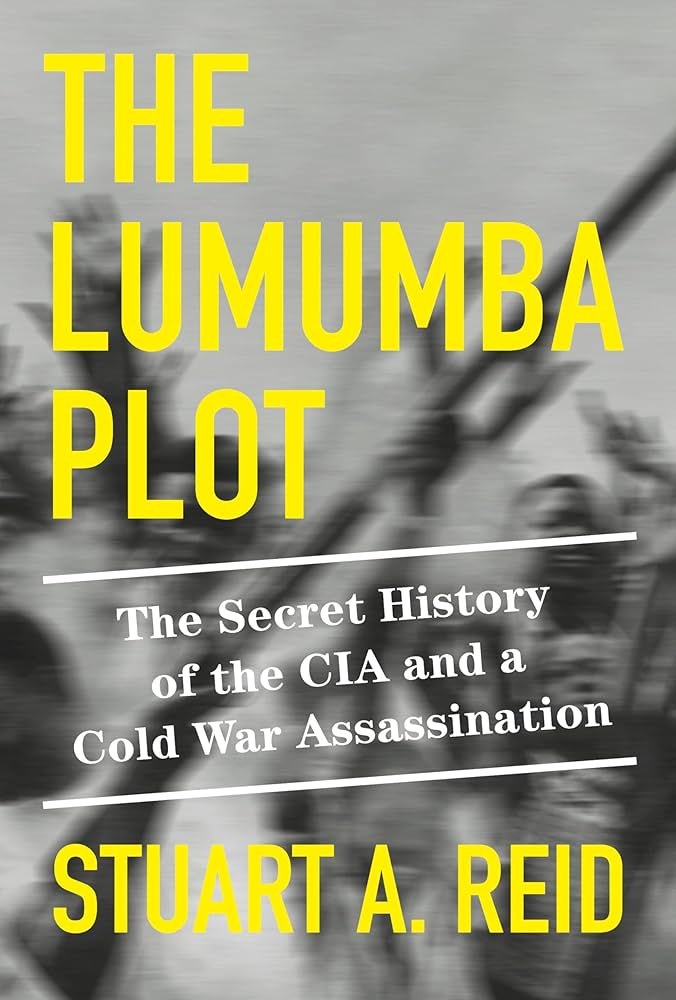
It’s almost cliché these days to know that the CIA had a history of overseas skullduggery in which it overthrew (or at least helped overthrow) legitimate governments that weren’t the most friendly to the United States. The Lumumba Plot lays out the first of those, which kind of set the template for others to come. The CIA worked with existing elements within the Congo to undermine and eventually murder Lumumba, then backed a strongman to take his place for the next several decades. Reid does a good job of placing all this in the context of other emerging nationalist movements in Africa, as well as the refusal of the Belgians to leave the area gracefully. Highly recommended.
Another interesting work of semi-modern history I read last year was The Pursuit of Italy: A History of a Land, its Regions and their Peoples, by David Gilmour (no, not that one).
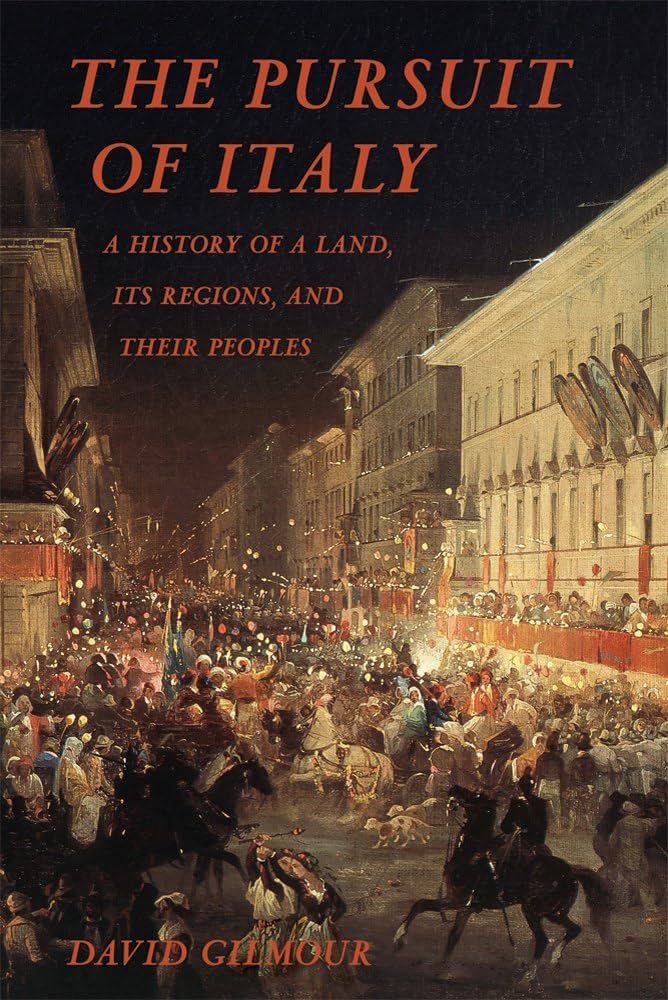
On the one hand, this is a good (if brief) overview of the history of the Italian peninsula from the founding of Rome to modern times. More interestingly, though, it’s about the entire idea of “Italy” as a nation, how it came to be, and how it continues to try and define itself and hold itself together. Gilmour’s thesis is largely that there was never an organic nationalist movement in Italy and, as a result, the modern state has certain ongoing issues that are difficult to deal with. Whether he’s right or not (it makes sense to me, but I’m hardly an expert), it’s a fascinating way to think about a place.
A much more ancient read was Children of Ash and Elm: A History of the Vikings, by Neil Price.
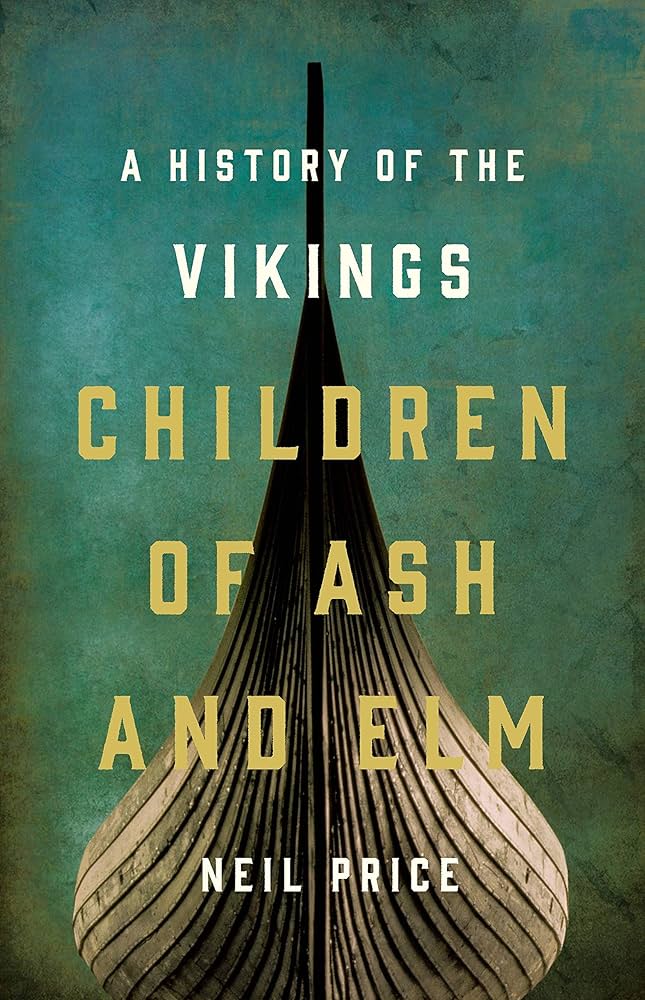
Just as it says, it’s a broad history of the Vikings, written with the intent of getting at what they were really like in human terms, not just the berserker-fueled raiders popular culture lets them be. Make no mistake – they were violent conquerors who are not what modern minds would call “enlightened” – but they’re much more complex (and interesting) than most people know. Good read for writers who are building worlds, as it emphasizes the depth of any culture.
Moving on to fiction, by far my favorite read from last year was City of Last Chances, by Adrian Tchiakovsky.
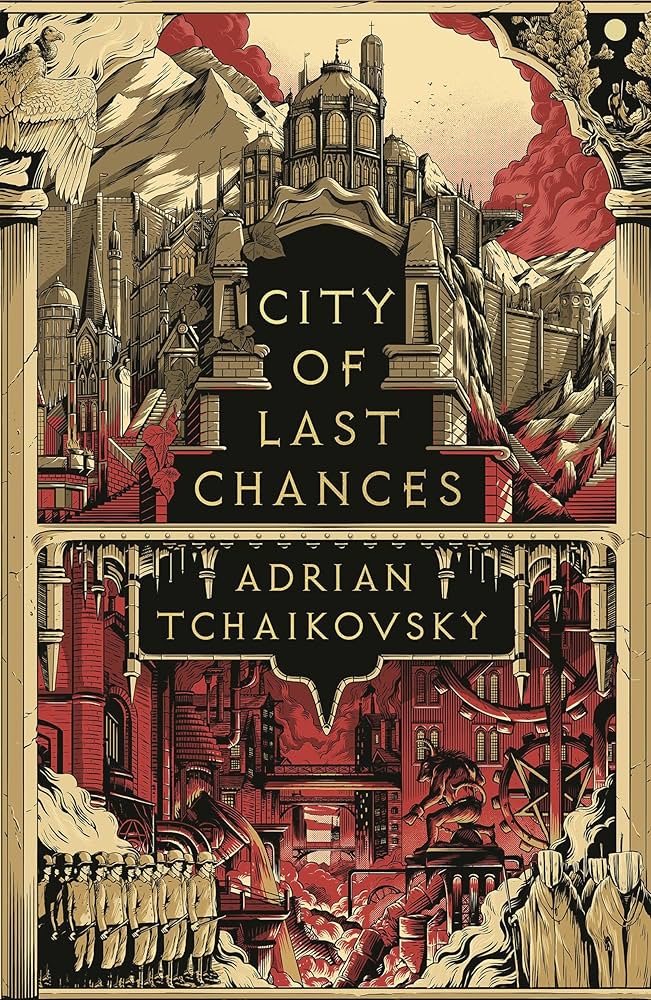
I discovered Tchaikovsky years ago via Children of Time, probably my favorite modern sci-fi novel. I had less luck with some of his fantasy books, but I took a chance on this one and I’m glad I did (he’s got so much work out there they can’t all be winners, right?). Set in an occupied city full of weird magical areas (and people), it’s huge cast is drawn into service of a moment of resistance that has finally arrived but, perhaps predictably, fizzles because everybody who wants to “resist” wants to do it for their own reasons. It can be a little hard to follow, as characters disappear for chapters only to pop up later, but it all ties together really well in the end. I’m in for the series!
From the favorite read of the year, let’s shift to the most unusual one, The Library at Mount Char, by Scott Hawkins.
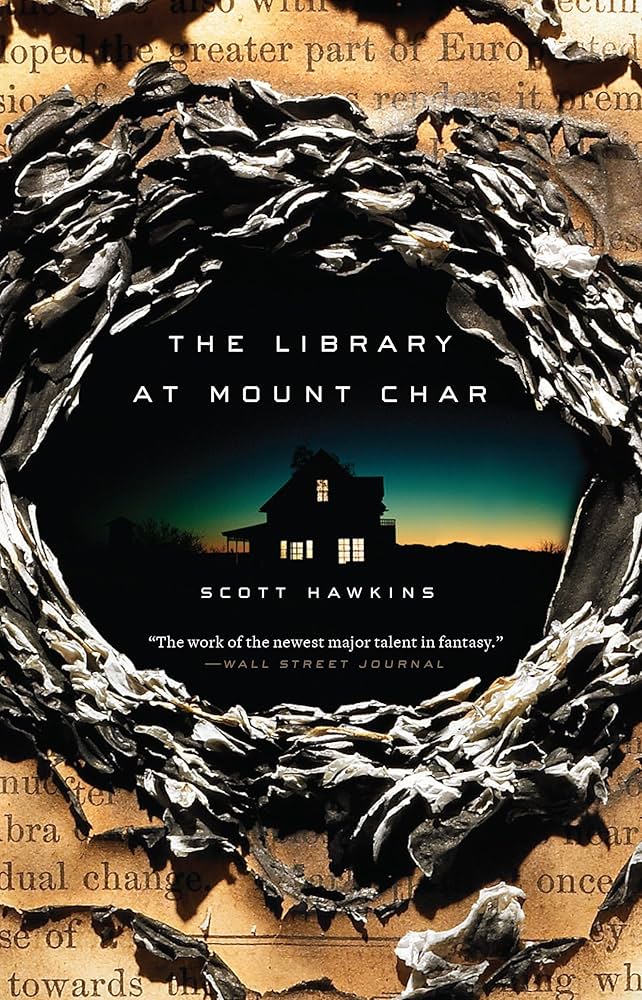
Honestly, I’m sill not sure entirely what was going on in this book. There’s ancient rites and alternate dimensions and something like a nuclear apocalypse. In spite of that (or maybe because of it!), the book was really compelling and I was really interested in seeing how it turned out. I don’t think all the strands came together effectively in the end, but I’m definitely down for Hawkins’ next book.
Finally, how about the most structurally unusual novel I read last year? That would, without a doubt, be The Mysterious Case of the Alperton Angels, by Janice Hallett.
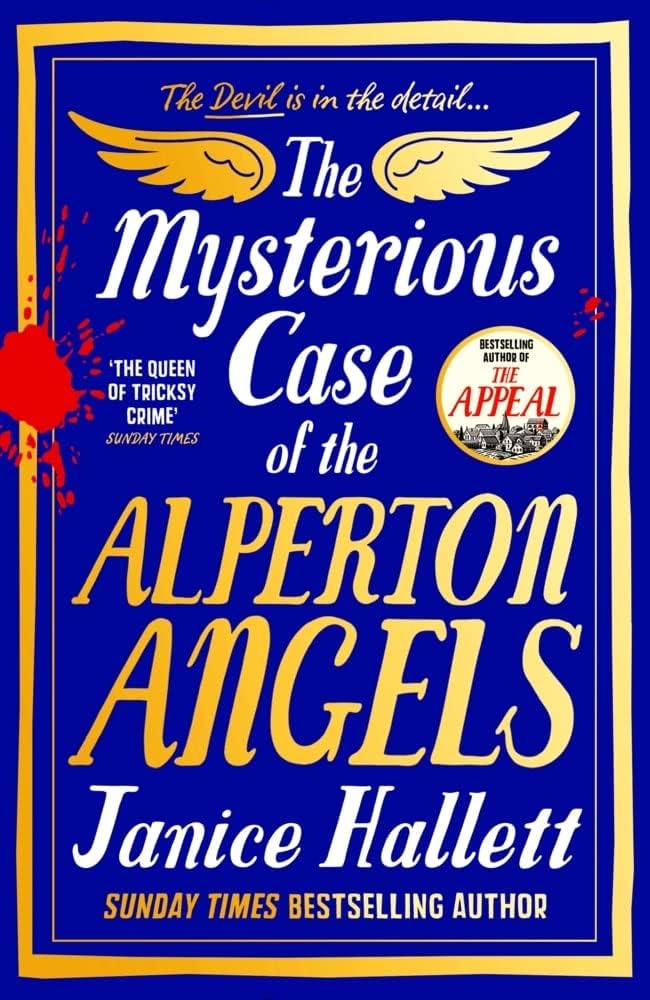
I was drawn in by that cover, and then the cult angle, but I didn’t actually flip through the book when I found it in the store (as with all the others, I listened to the audiobook version). If I had, I’d learned that this was the literary version of a found-footage movie (that apparently is Hallett’s thing). Had I know that I probably would have passed, as I’m not a huge fan of that style. Few writers actually stick to it enough to reveal problems with it (at one point, Hallett has one of the characters, who transcribes another’s recordings, wonder why she recorded this conversation – because that’s the only way we learn about it!). It’s to Hallett’s credit that I still really liked the book, particularly for how it played with concepts of belief, faith, and falling down conspiratorial rabbit holes. Don’t let the gimmicky structure fool you – it’s great!
That’s it for my 2025 in media. On to 2026!
 JD Byrne