Happy New Year! It’s the time when I take a look back at the year just past and highlight some of my favorite, or just most interesting, media I consumed (not necessarily new, but at least new to me). First up, naturally, let’s talk about books . . .
I thought I read a bunch of books in 2024 until I compared notes with my wife who read twice as many! She consumes books like food and hasn’t fallen prey to the siren song of podcasts like I have, so she has more focused. Still, I read nearly fifty books in 2024 (in addition to publishing one!) and some were particular favorites.
My Effin’ Life by Geddy Lee (2023)

Rush is my “first favorite band,” the one that initially seeded in me the need to hear everything they did, new or old. No surprise, then, that I’d jump at the chance to read bassist/vocalist/keyboardist Geddy Lee’s memoir. It is, of course, heavy on the history of Rush, particularly the early days, but it exceeds the typical rock doc book in a couple of ways. One is Lee’s exploration of his heritage – his parents survived the Holocaust then met as refugees in Canada – which is fascinating. The other is his recounting of the final days of the band and the death of drummer Neil Peart. Recommended for Rush fans for sure, but even those who might only know “Tom Sawyer” from the radio will dig it.
The Book Eaters by Sunyi Dean (2023)
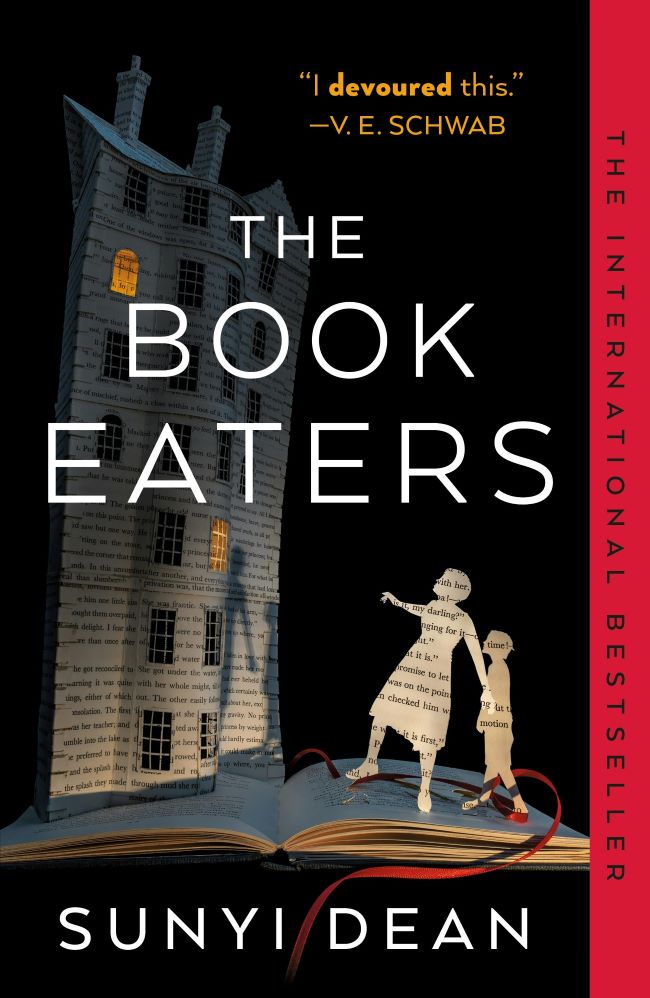
It’s a great pitch for a book – what if there were people (well, maybe not quite “people”) in the world who survived by eating books, taking in all the stories or knowledge written therein? What I expected from The Book Eaters was a fairy tale about the nourishing nature of books and words, something ethereal and mystical. What I got instead was a really cool spin on vampires (not all these “people” eat books) and problems of family and belonging. Rarely can you say the book delivered something completely different than expected and was all the better for it.
Stillwater #1 by Chip Zdarsky, Ramón Pérez, & Mike Spicer (2021)

Lots of stories question whether the idea of immortality is a good one, but usually on the scale of the individual? What if there was entire town where no one aged or could die? Like, if somebody jumps off a building and spalts on the sidewalk that’s not the end of things? That’s the setup of Stillwater. The first volume introduces up to someone who managed to get out as a child, only to be lured back. Naturally, things aren’t as grand as one might think they’d be in a town stripped of death. Can’t wait to see where it goes.
Desperate Remedies: Psychiatry’s Turbulent Quest to Cure Mental Illness by Andrew Scull (2024)
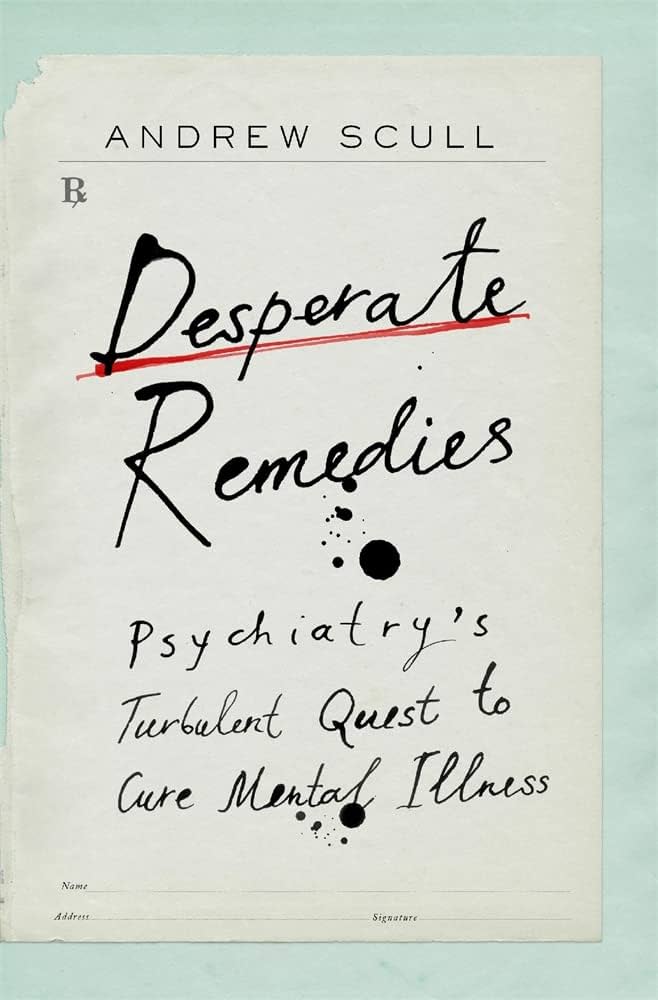
The only thing more depressing I read in 2024 came out of the daily news. This survey of the history of relatively modern attempts to treat mental illness is fascinating for showing how we have lurched from one theory of mental illness to the next, each with its own miracle cures that never seem to actually come to fruition. What comes through is that, even today, we don’t have a good handle on what actually causes mental illness (in its various forms) and that makes it nearly impossible to treat. Like I said, depressing stuff, but it does at least provide some hope that we’ll keep bashing away at the problem.
A Thread of Violence: A Story of Truth, Invention, and Murder by Mark O’Connell (2023)

There’s a version of this book – telling the story of a murderer in 1980s Ireland whose friendship with the Attorney General threatened to bring down the government – that’s a straightforward telling of the tale, which needs little pumping up to be really interested. This isn’t that book. Rather, what makes O’Connell’s angle interesting is that his grandparents lived next door to where the killer was apprehended and he’d always felt the shadow of that incident lurking over him. His conversations with the killer, who still doesn’t quite seem to grasp what he’s done, dive into issues of identity and memory that are fascinating.
Jonathan Strange & Mr. Norrell by Susanna Clarke (2004)
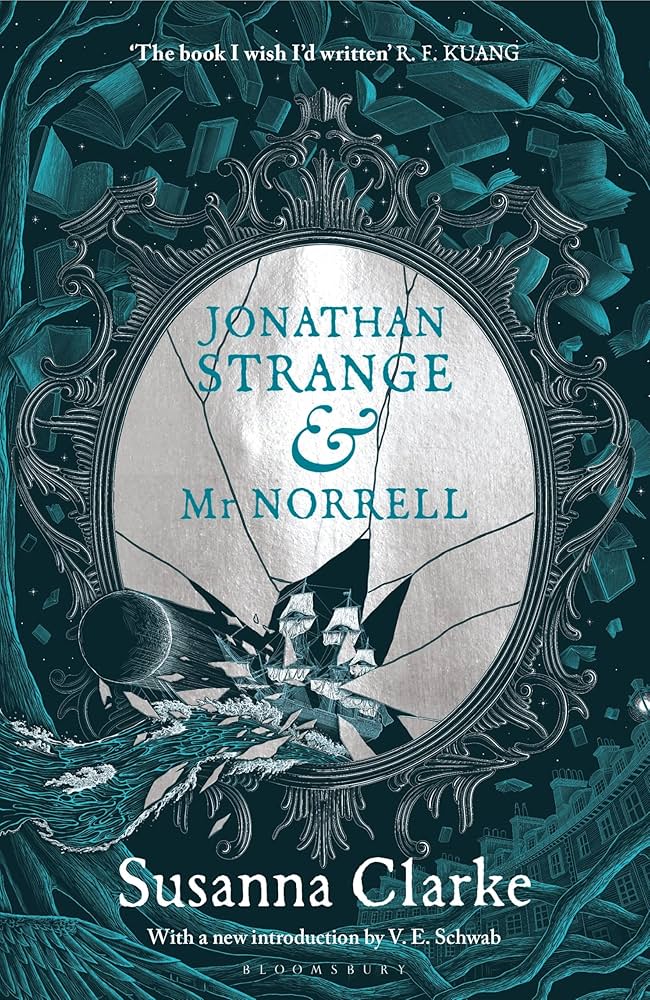
This is kind of a cheat, as I read and loved this when it first came out two decades ago. That anniversary led to a new edition and lots of coverage, so I decided to dive back into it and see if it held up after all this time. Happily, it does. I was a little worried that, with lots of writing under my belt, I might feel more picky about things, but it turns out I just admire Clarke’s work all the more. It’s so immersive, just pulling you into the world that she builds slowly and steadily. I went in willing to consider this one of the great books of the century and left being certain that’s the case.
 JD Byrne