2024 – My Year In TV

I continue my look back at the year just past and highlight some of my favorite, or just most interesting, media I consumed (not necessarily new, but new to me). This week let’s watch some TV . . .

Mrs. Davis (2023)

I can only imagine that the brainstorming sessions for this show must have included some mind altering substances. A nun scours the globe, with the help of various other colorful characters, in order to fight an out of control AI that might be taking over the world. Should this work in any way shape or form? No. Does it? Amazingly, yes. It’s funny, thrilling, compelling, and hits you in the feels. In a world overrun with IP-driven reboots and rethinks we need more Mrs. Davises.

Shogun (2024)
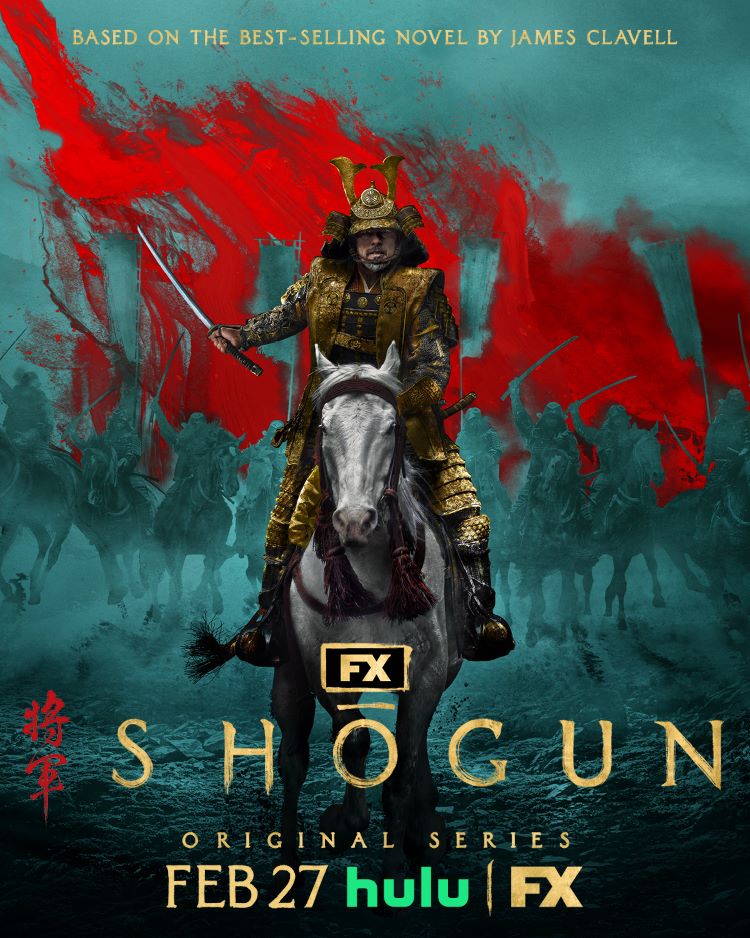
Not an original thought, I know – this once-limited series has been praised to the hilt since it premiered. Pleasantly, it completely lived up to the hype. Having no familiarity with either the original novel or miniseries (I’m not that old) I can’t say how it compares to those sources, but as a stand-alone piece of work it was brilliant. Was the ending kind of a cop out? In a way, but isn’t that what life’s like sometimes? Besides, there’s a second season coming to stir things back up!

The Sympathizer (2024)
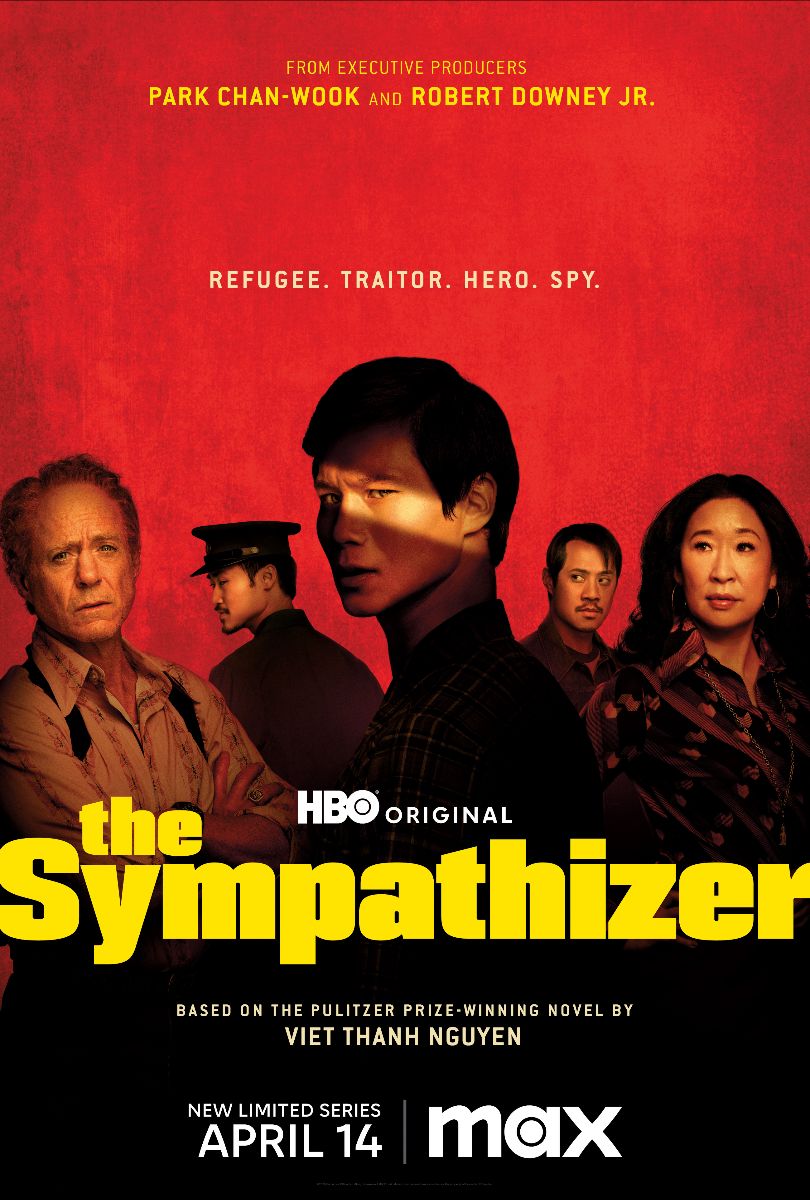
This is another show that probably shouldn’t have worked as well as it did. The titular character is a North Vietnamese spy who infiltrates the office of a South Vietnamese general so thoroughly that when the general flees to the United States the spy goes along. What follows is a twisting examination of being and identity, punctuated with a lot of black humor. There’s a movie within the show that sends up Hollywood and Robert Downey, Jr. shows up in multiple roles. It doesn’t all work all the time, but, as with Mrs. Davis, this is more of the odd kind of storytelling TV needs.

Say Nothing (2024)
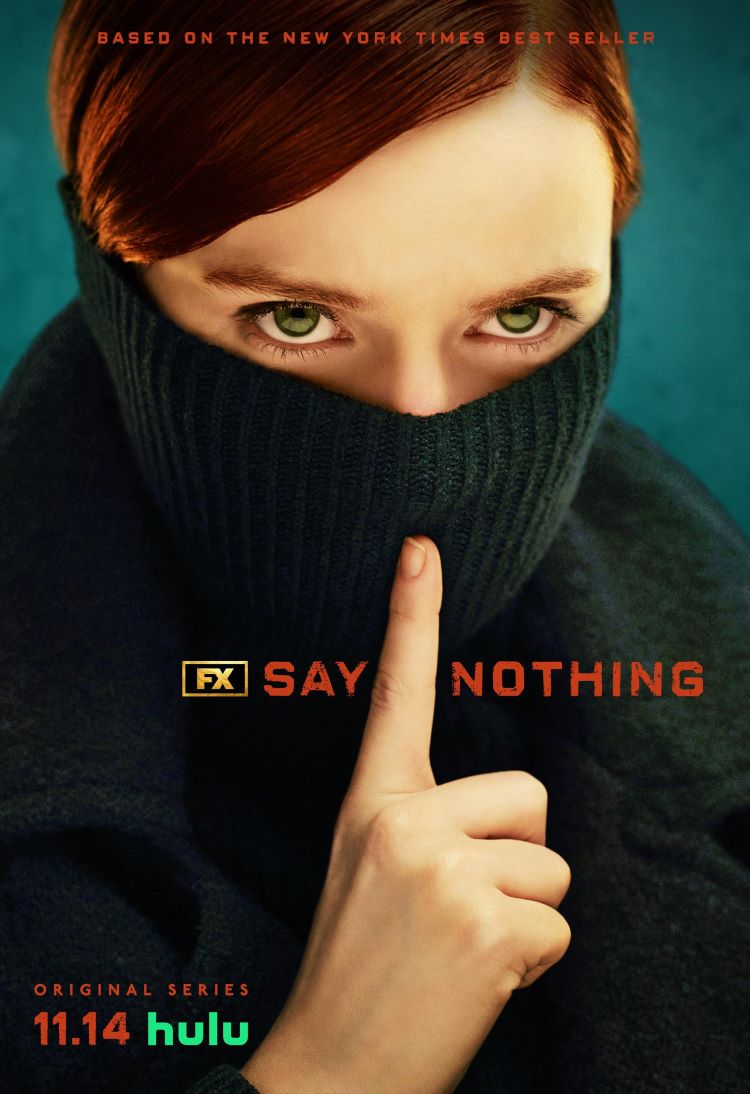
Say Nothing is one of the best books I’ve ever read (as I’ve noted before). When I heard at TV adaptation was in the works I was skeptical that they’d be able to pull off the same trick of telling some very relatable, personal stories about people involved in The Troubles while also providing enough high-altitude context to explore the wider conflict. The show, of course, doesn’t quite do that quite as well, but by paring things down a bit the story told wound up very powerful. The series performs a neat sleight of hand by setting the first few episodes as kinetic pieces of lawlessness and violence done for the cause and then pivoting to explore the long-term consequences of participating in those things. Excellent on its own, even better if it makes you want to read the book afterwards.

We Are Ladyparts (2021, 2024)

It’s a great elevator pitch – a series about a group of young Muslim women in Brittain (of Pakistani background) who form a punk band. Could be a heavy, maudlin examination of the struggle of outsiders in the modern UK, right? Or, it could be a very funny show with deep-down laughs and fun songs that also manages to dig into themes of belonging and identity. I was completely captivated, in spite of a couple of music-related nitpicks (the music isn’t really punk, even if the attitude is, and their plan for success sounds more out of the 1980s than 2020s). Hoping for more!

The Life of Rock with Brian Pern (2014) – Brian Pern: A Life in Rock (2014) – Brian Pern: 45 Years of Prog and Roll (2016) – A Tribute – At the BBC (2017)

While watching stuff I frequently hop over to IMDB to figure out why a familiar face looks so familiar. I don’t know what we were watching or who I was looking up, but one of their prior works was Brian Pern: 45 Years of Prog and Roll – needless to say, it piqued my interest. Brian Pern is a parodic version of Peter Gabriel – lead vocalist of a prog-rock band called Thotch in the 1970s who went on to a genre-defining solo career (he frequently states that he invented world music). Across three short seasons (three episodes each, plus a couple of later specials), Pern first chronicles the history of rock and roll then navigates his own failing career, which ends in a botched Thotch reunion and death in an unfortunate Segway accident. There’s a lot of very funny stuff over the seasons (which includes appearances from the likes of Rick Wakeman and Gabriel himself), but the first is the best. If you’re a fan of prog at all, or much mockumentaries, you owe it to yourself to track it down online.
2024 – My Year In Sound

I continue my look back at the year just past and highlight some of my favorite, or just most interesting, media I consumed (not necessarily new, but new to me). This week, let’s talk music and podcasts . . .

Albums

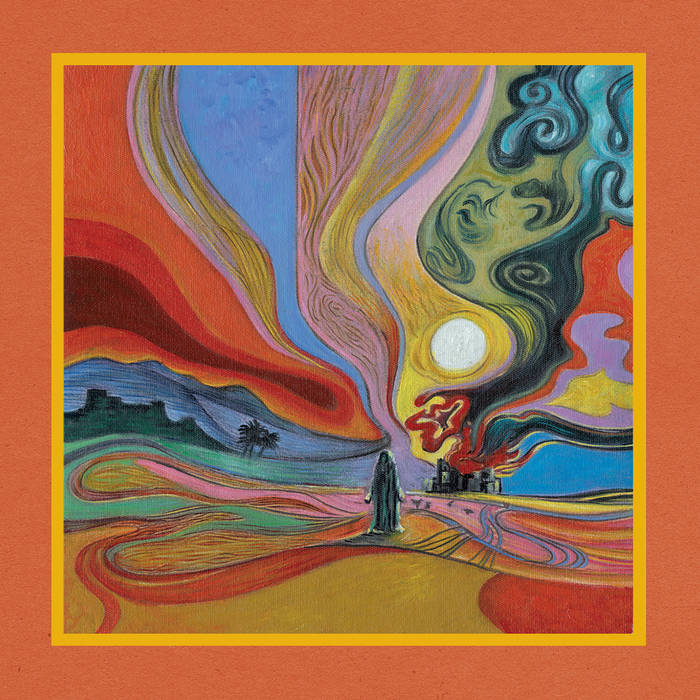
Zopp – Dominion (2024)

Zopp is manifesting itself into a real band (they’ve played live), but this, their second album, is still primarily the work of Rya Stevenson, who plays just about everything except drums and horns. At the forefront of the nouveau-Canterbury sound is fuzzed out organ, of course, along with lots of other tasty keyboards. New for this album are a couple of tunes with vocals. Stevenson’s not a powerhouse vocalist, but his laid back, low drama delivery is in step with his Canterbury predecessors. If you thought nobody made music like Egg or Caravan these days, you’re in for a treat!

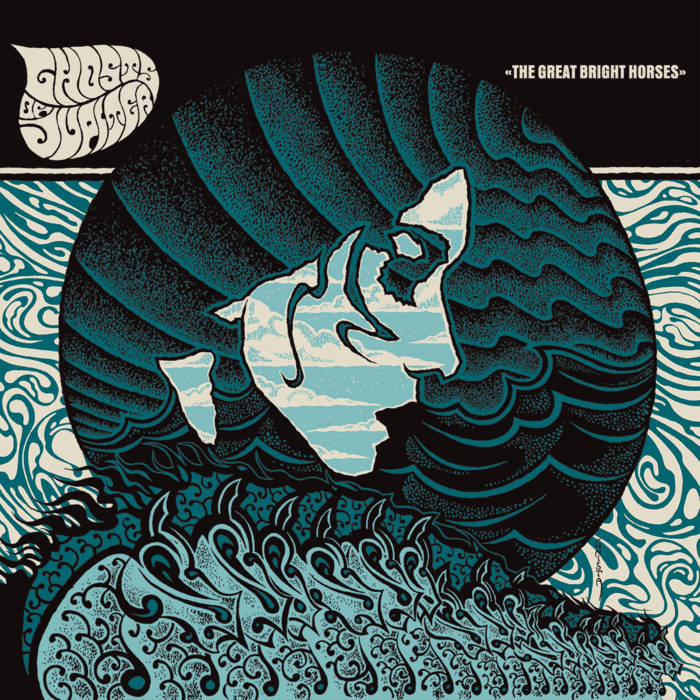
Ghosts of Jupiter – The Great Bright Horses (2016)

A fine collection of neo-psychedelia that often feels like Traffic run through some kind of chemically-induced dream state. A lot of the palate is organic – acoustic guitar, flute, piano – which makes the soaring, sinewy guitar parts stand out all the more. You don’t need a drink (or something else) to dig this, but it probably wouldn’t hurt. Beautiful cover, too.

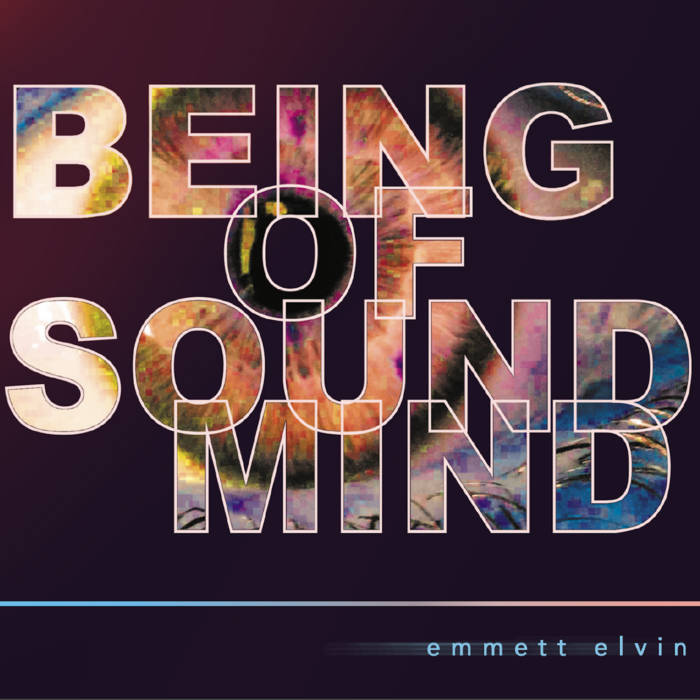
Emmett Elvin – Being of Sound Mind (2022)

I knew Elvin from his work with Knifeworld and Guapo, but was completely unprepared for the funhouse experience that this solo album was. Kicking off with some serious Zappa vibes, the songs bounce from genre to genre without any apparent rhyme or reason, but it all works. Menacing and playful, dissonant and melodic in equal measure. There’s even the catchy “Artificial Guitar” than you can kind of sing along with! Far and away my favorite new thing I heard last year.

St. Vincent – All Born Screaming (2024)

I liked St. Vincent’s detour into 70s-inspired sleaze, Daddy’s Home, more than most, but I admit it felt a little slight and lacked the edge of some of her earlier work. No worries here, as the darkness and general oppressiveness is back. The soundscapes are equally lush but feel smothering rather than intoxicating, with an electronic glaze to them. Compelling, yet disturbing, kind of like 2024.

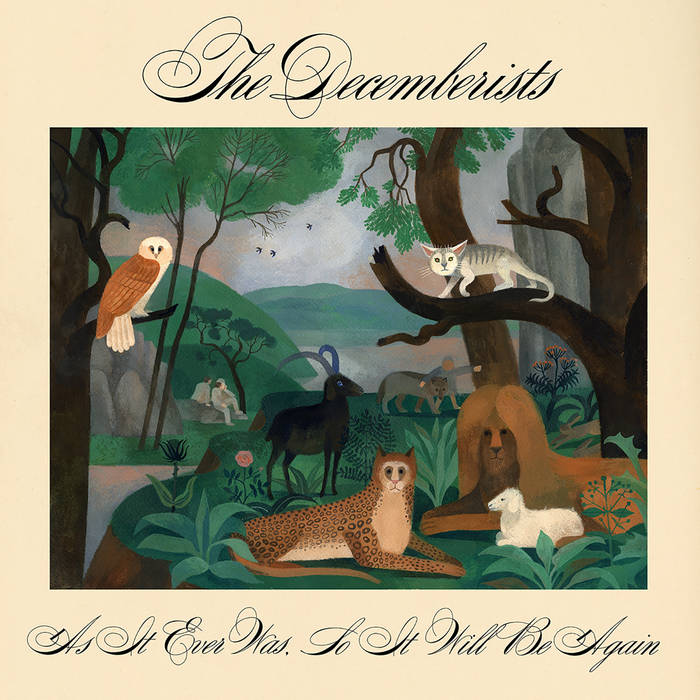
The Decemberists – As It Ever Was, So It Will Be Again (2024)

With a title like As It Ever Was, So It Will Be Again it was clear that this album would be a return to “normal” for The Decemberists (again, I liked their last album more than most). I perhaps bought into that so much that when I first got this album I thought it was very nice, but kind of “Decemberists by numbers,” without a lot of standout material. My opinion changed over the year and it really grew on me. There are several great songs (“Burial Ground,” “Long White Veil,” “Don’t Go to the Woods”) without even mentioning the closing epic, “Joan In the Garden” that managed to channel “Echoes” in spots. It’s no shame to revert to form when the form is so damned good, right?

Podcasts

Homicide: Life on Repeat

One of the great joys of last year was that, at long last, Homicide: Life on the Street appeared on a streaming service. Not only that, the clamor of that release even interested my wife in watching it, so we burned through the entire series over the fall (more thoughts on that from me sometime later). This podcast, hosted by Kyle Secor (Bayliss during the series) and Reed Diamond (Kellerman), bills itself as a rewatch podcast, but that mostly just serves as a frame for them to bring in various people associated with the show to talk about how the sausage got made. Guests have already included David Simon and Tom Fontana and I’m not sure how long it can make it into the series this way, but if you’re a fan of the show it’s a must listen. And it’s a lot of fun (I love the musical bumpers for various segments they’ve done).

What Went Wrong

A really good podcast about movies with a pretty misleading name. You’d think it was all about doomed productions and flops, but in actuality it’s more of an examination of how things change in movie projects from inception to production. In other words, it’s a recognition that things go wrong, but ultimately can still produce a good movie. The one on Star Wars (I’m old, I don’t do episode numbers) was particularly good.

Dark Histories

My general rule of podcasts is that you need at least two people for it to work right. It’s not just because having someone else to bounce facts and opinions off of is often more entertaining, it’s because one person droning on tends to lead down rabbit hole and not make for compelling listen. Dark Histories is the exception to the rule, as it’s merely Ben and a microphone, but you can tell that he’s put great effort into putting together an actual script to tell particular stories in a satisfying way (with just a hint of sound design in the background). As the title suggests, the focus is on weird, odd, or terrifying stories of the past, things that might get overlooked in general. Fascinating and very well done.

2024 – My Year In Books

Happy New Year! It’s the time when I take a look back at the year just past and highlight some of my favorite, or just most interesting, media I consumed (not necessarily new, but at least new to me). First up, naturally, let’s talk about books . . .

I thought I read a bunch of books in 2024 until I compared notes with my wife who read twice as many! She consumes books like food and hasn’t fallen prey to the siren song of podcasts like I have, so she has more focused. Still, I read nearly fifty books in 2024 (in addition to publishing one!) and some were particular favorites.

My Effin’ Life by Geddy Lee (2023)

Rush is my “first favorite band,” the one that initially seeded in me the need to hear everything they did, new or old. No surprise, then, that I’d jump at the chance to read bassist/vocalist/keyboardist Geddy Lee’s memoir. It is, of course, heavy on the history of Rush, particularly the early days, but it exceeds the typical rock doc book in a couple of ways. One is Lee’s exploration of his heritage – his parents survived the Holocaust then met as refugees in Canada – which is fascinating. The other is his recounting of the final days of the band and the death of drummer Neil Peart. Recommended for Rush fans for sure, but even those who might only know “Tom Sawyer” from the radio will dig it.

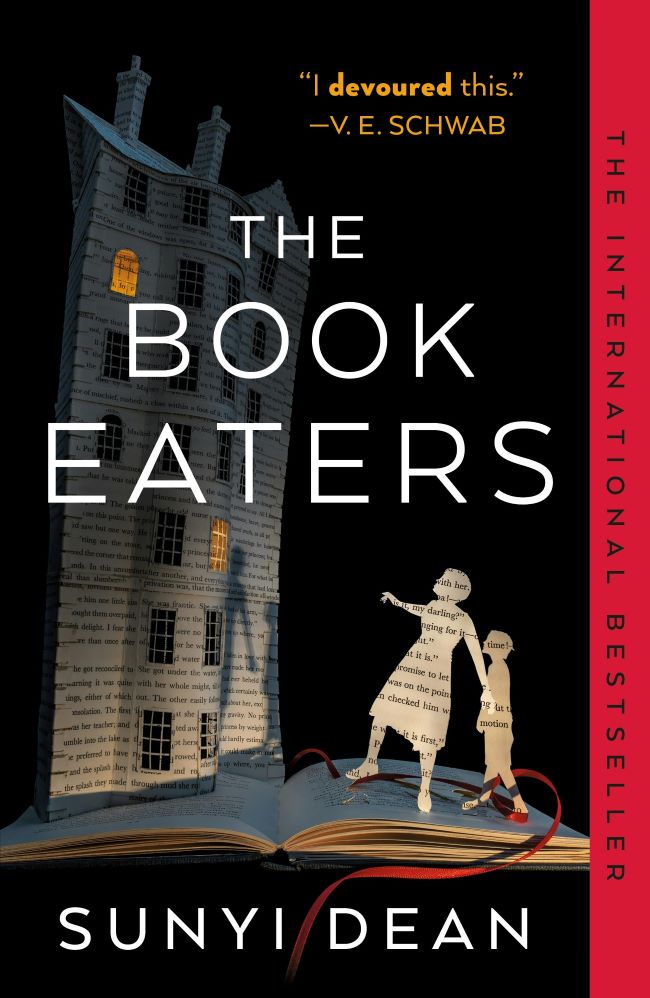
The Book Eaters by Sunyi Dean (2023)

It’s a great pitch for a book – what if there were people (well, maybe not quite “people”) in the world who survived by eating books, taking in all the stories or knowledge written therein? What I expected from The Book Eaters was a fairy tale about the nourishing nature of books and words, something ethereal and mystical. What I got instead was a really cool spin on vampires (not all these “people” eat books) and problems of family and belonging. Rarely can you say the book delivered something completely different than expected and was all the better for it.

Stillwater #1 by Chip Zdarsky, Ramón Pérez, & Mike Spicer  (2021)

Lots of stories question whether the idea of immortality is a good one, but usually on the scale of the individual? What if there was entire town where no one aged or could die? Like, if somebody jumps off a building and spalts on the sidewalk that’s not the end of things? That’s the setup of Stillwater. The first volume introduces up to someone who managed to get out as a child, only to be lured back. Naturally, things aren’t as grand as one might think they’d be in a town stripped of death. Can’t wait to see where it goes.

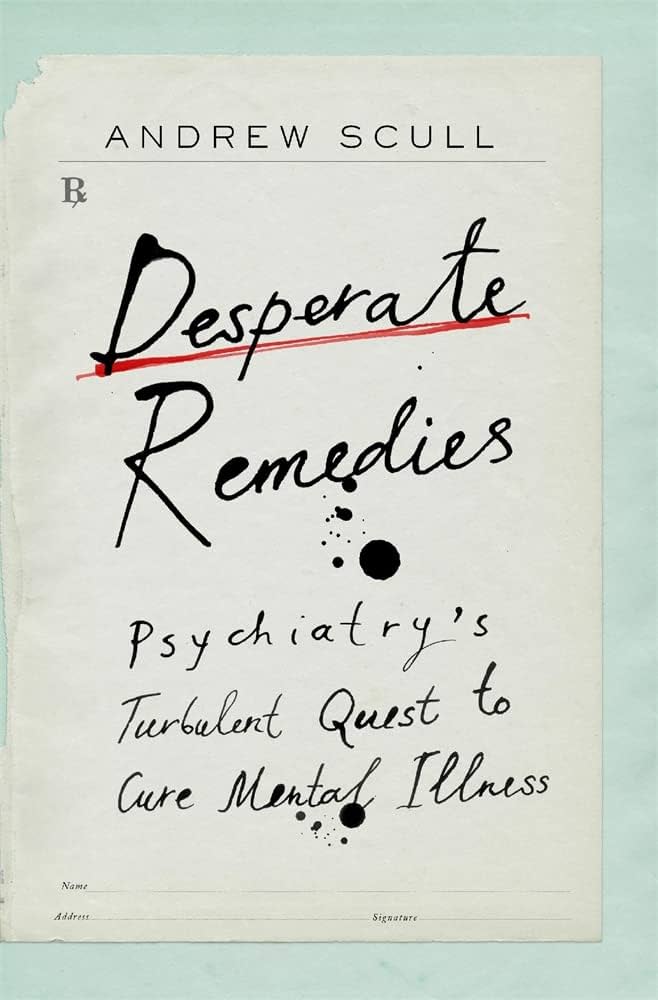
Desperate Remedies: Psychiatry’s Turbulent Quest to Cure Mental Illness by Andrew Scull (2024)

The only thing more depressing I read in 2024 came out of the daily news. This survey of the history of relatively modern attempts to treat mental illness is fascinating for showing how we have lurched from one theory of mental illness to the next, each with its own miracle cures that never seem to actually come to fruition. What comes through is that, even today, we don’t have a good handle on what actually causes mental illness (in its various forms) and that makes it nearly impossible to treat. Like I said, depressing stuff, but it does at least provide some hope that we’ll keep bashing away at the problem.

A Thread of Violence: A Story of Truth, Invention, and Murder by Mark O’Connell (2023)

There’s a version of this book – telling the story of a murderer in 1980s Ireland whose friendship with the Attorney General threatened to bring down the government – that’s a straightforward telling of the tale, which needs little pumping up to be really interested. This isn’t that book. Rather, what makes O’Connell’s angle interesting is that his grandparents lived next door to where the killer was apprehended and he’d always felt the shadow of that incident lurking over him. His conversations with the killer, who still doesn’t quite seem to grasp what he’s done, dive into issues of identity and memory that are fascinating.

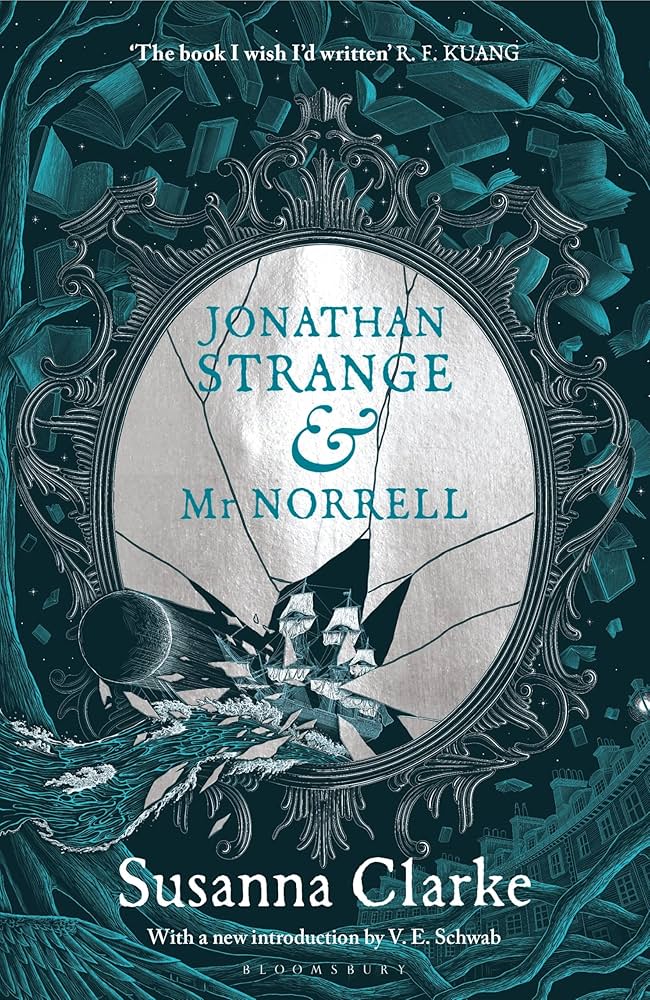
Jonathan Strange & Mr. Norrell by Susanna Clarke (2004)

This is kind of a cheat, as I read and loved this when it first came out two decades ago. That anniversary led to a new edition and lots of coverage, so I decided to dive back into it and see if it held up after all this time. Happily, it does. I was a little worried that, with lots of writing under my belt, I might feel more picky about things, but it turns out I just admire Clarke’s work all the more. It’s so immersive, just pulling you into the world that she builds slowly and steadily. I went in willing to consider this one of the great books of the century and left being certain that’s the case.