Sometime last fall (after Halloween, if I’m recalling correctly), I was flipping through the channels and saw that the 1931 James Whale version of Frankenstein was going to be on Turner Classic Movies. Having never seen it, but seen plenty of stuff riffing on it, I decided I had to check it out.

Midway through the movie it occurred to me that I’d never read the Mary Shelley novel upon which it was based, either, so I read it immediately afterwards.
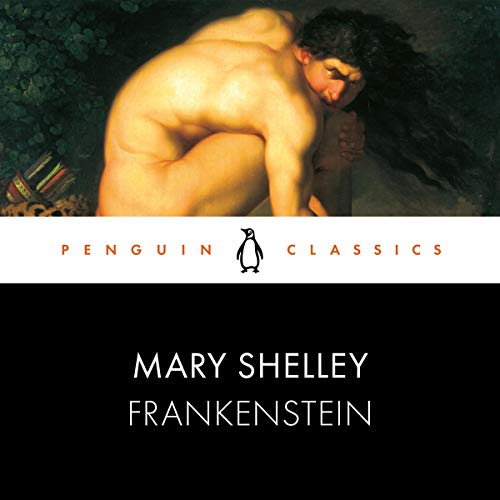
It’s a fascinating study in adaptation and how stories can shift based on how they’re told.
The basics are the same – a scientist working on the cutting edge of technique and ethics, the guy actually named Frankenstein, cobbles together a creature from dead people parts and reanimates it. Said creature then stalks about the countryside.
But really, the differences are much more interesting and really take each version of the story in a completely different direction.
The movie is short (not much more than an hour) and constitutes what I think of as the generic “Frankenstein story.” That is, the creature gets out of control and is chased down by a pitchfork wielding mob. Indeed, he appears to die in a blaze and building collapse at the end of the movie, but there were sequels to be had so they retconned that starting with Bride of Frankenstein in 1935.
The book, by contrast, is much more personal. The terrors perpetrated by the creature are smaller in scale but land much more heavily because they relate directly to his creator, Frankenstein himself. Not for nothing is the book named after him as it is really the scientist’s story, not so much the creature’s. If the movie is the easily replicable template for monster movies to come, the book is much more thoughtful about what it means to create life in the first place and what that responsibility does to someone.
Which makes the differences between the movie creature and book creature so interesting. The movie creature, played famously by Boris Karloff, is essentially an innocent cast into the world and unable to cope with it. The event that incites the populace against the creature comes when he accidentally kills a young girl while playing with her. It’s completely the sort of thing that a being without any real understanding of the world could do, not out of any malice but through sheer naiveite.
The book creature is, by contrast – well, he’s a monster, one that’s all too human at his core. Abandoned by Frankenstein and utterly alone in the world, he saves a small girl rather than accidentally killing her – and gets shot for his troubles. Pissed at the world, and Frankenstein in particular, he cold bloodedly kills Frankenstein’s brother and frames an innocent for it. He extorts Frankenstein into making him a mate (which never comes to fruition in the book), threatening the rest of the Frankenstein family. He kills Frankenstein’s best friend and bride. Honestly, he’s pretty much a serial killer with a very particular set of victims. Whatever empathy you feel for the creature at the get go dissolves away by the end of the book.
Which, of course, is a very real world way of thinking about murder. It’s not uncommon for killers, even serial killers, to have upbringings that would make your eyes water. Nonetheless, it’s hard to feel too sorry for them once they’ve taken another life (or lives). I don’t know if Shelley intended to book to function in this way but to this public defender’s eyes it plays like the paradigmatic capital case mitigation argument – yes, he’s a beast, but who wouldn’t be after all he’s been through?
In other words, book creature is much more deserving of the fate of movie creature, even though their respective endings both say interesting things about human nature.
The other really interesting difference, to me, was in the characterization of Frankenstein himself. Movie Frankenstein – who for some reason is renamed Henry from Victor, but his friend Henry is renamed Victor! – is the prototypical mad scientist. His lab crackles with insanity and hubris just as much as electricity and bubbling chemicals. He doesn’t really feel conflicted about what he’s doing, or what he’s done, until the creature becomes a problem that needs solved. He’s just not a very interesting character.
Book Frankenstein, by contrast, falls way deep into the issues created by his creation. He doesn’t sound like he’s just about to slip over the cliff into insanity, although he is a loquacious mother fucker. In fact, Shelley’s book pulls off the trick of being beautifully verbose to start, before becoming frustratingly overwrought, then back to beautiful just be sheer force of will.
Without a doubt, the movie Frankenstein is much more fun. It’s a scary romp with just enough pathos to make the conclusion feel tragic. Frankenstein the novel is more of a thinker and I can see why later attempts to make a movie (or TV show) closer to it didn’t come out too well. Each has their purpose and I’m glad I’ve consumed both, but if I had to pick only one – it’s book for me all the way.

 JD Byrne